
Download documents
Download reportBackground
The EU has set a target to become the first climate-neutral continent by 2050. The European Commission has recommended a 90% reduction in net greenhouse gas emissions by 2040 relative to 1990. These are ambitious goals that will require a reduction of emissions across all sectors, including iron and steel – the production of which is notoriously polluting. Moving towards near-zero emissions steel would not only contribute to the EU’s climate goals but also support progress towards zero pollution.
When the European Commission unveiled its Steel and Metals Action Plan (SMAP) in March 2025, Opportunity Green joined 28 NGOs in endorsing a new report advocating for a green steel transition in Europe. Instead of locking the sector into decades more of fossil-fuel dependence, the report urges the steel industry to embrace near-zero emissions alternatives.
Europe has a narrow window for action. EU policymakers and steelmakers must act now to drive the transition away from coal-based steelmaking. Doing so would not just have environmental benefits, it would also boost industrial competitiveness and create secure jobs for over two million workers.
The scale of the problem
- The steel industry is responsible for 5% of the EU’s total emissions.
- The sector accounts for a quarter of all industrial emissions.
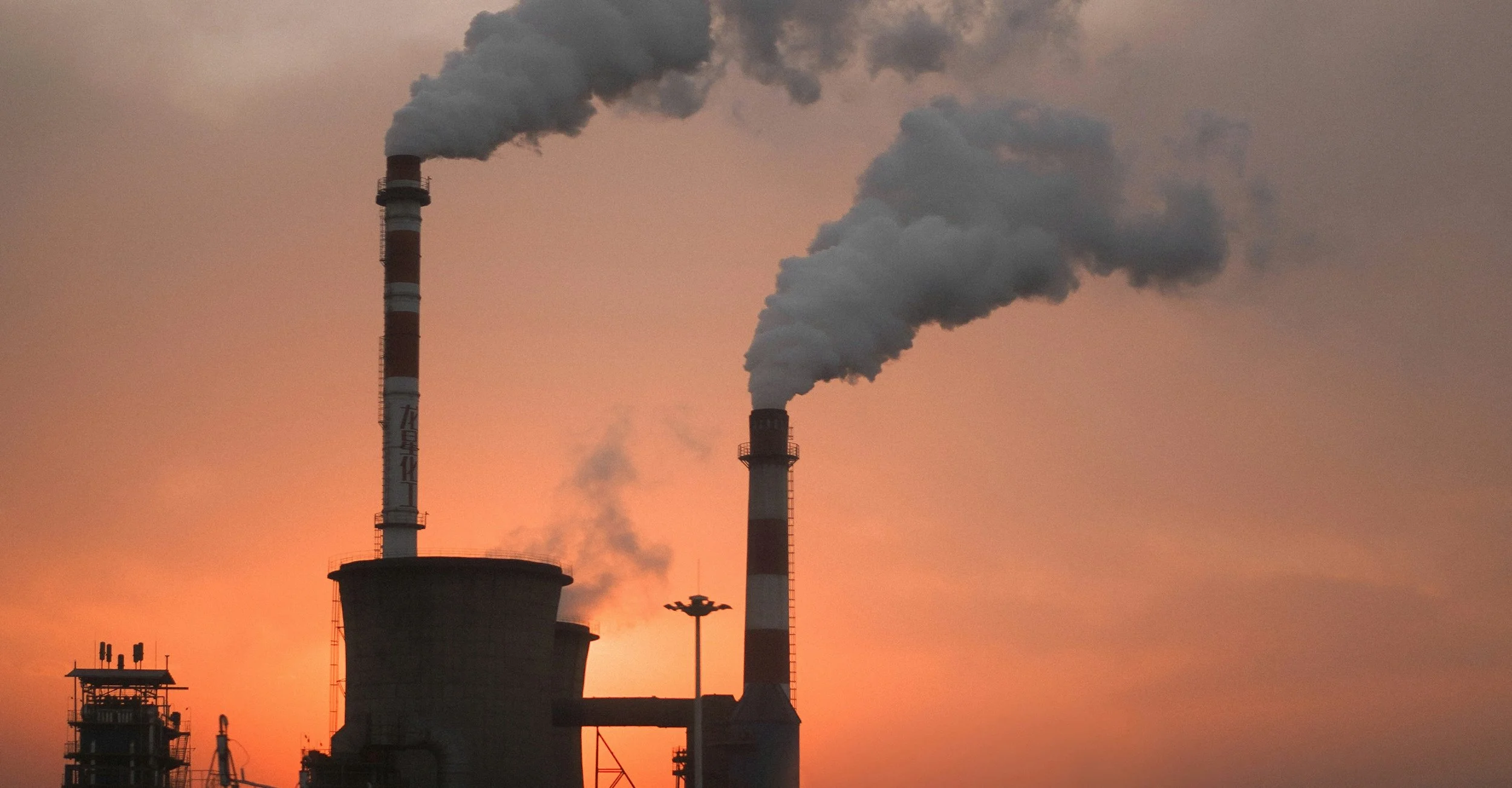
- Coal-based steelmaking is one of the most polluting industrial processes.
What’s covered in the report?
The report, led by E3G and Beyond Fossil Fuels, aims to inform the policy debate and guide the transition towards a more sustainable steel industry. This should be one that can meet Europe’s climate goals while safeguarding this vital economic sector. This latest analysis finds that:
- The European Commission’s SMAP and other regional policy initiatives show that the continent is poised to spearhead the transition towards green steel.
- Steel produced in coal-powered blast furnaces is currently the dominant production route in Europe, with 55% of steelmaking relying on coal.
- Securing a long-term future for the steel sector in Europe now means moving fast and decisively beyond fossil-based steel. By investing in a new generation of near-zero emissions steelmaking, relying on green hydrogen and renewable electricity, the EU can secure jobs and resilience throughout the industrial value chain.
Our recommendations
The EU steel industry must:
- Phase out coal-based blast furnaces.
- Scale up green hydrogen and renewable-powered production.
- Strengthen circularity measures, such as steel recycling and scrap-based production.
- Ensure a just transition encompassing social protection for the industry’s workers.
Authors
- Lead authors: Ysanne Choksey and Johanna Lehne, E3G; Carlota Ruiz Bautista, Beyond Fossil Fuels