

Download documents
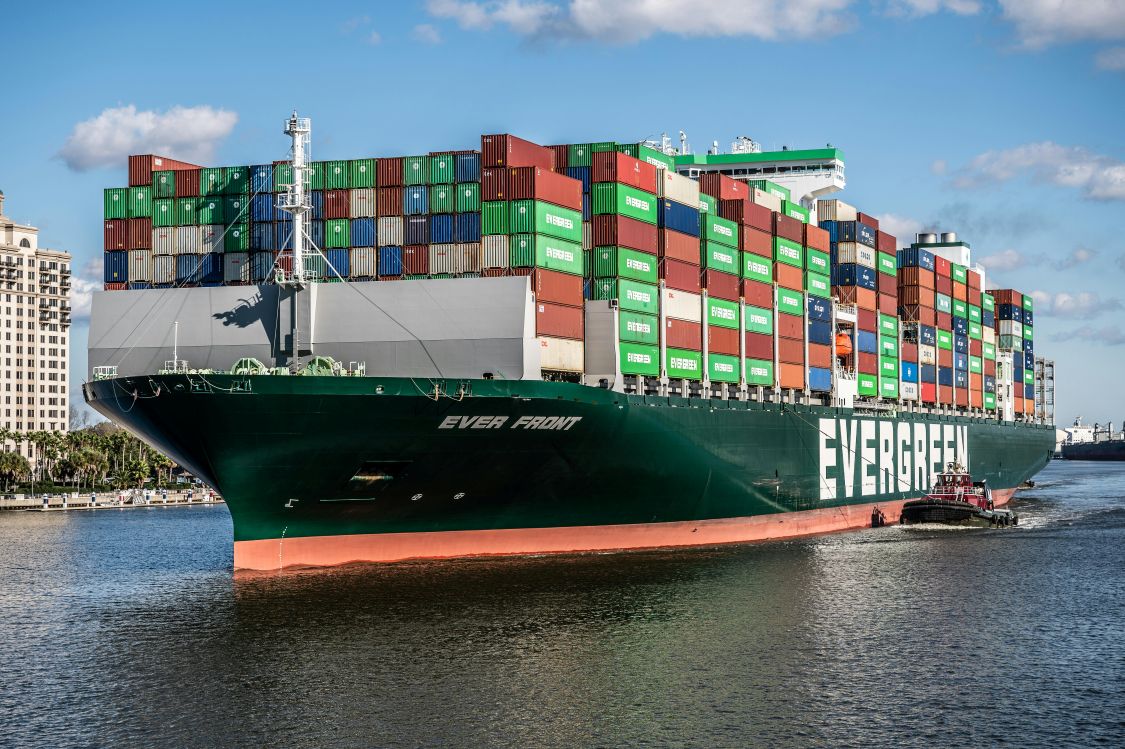
Read our written submissionWhile ammonia may support the decarbonisation of shipping, its production and use could significantly increase nitrogen pollution unless effectively managed across its full lifecycle. The submission draws on parallels with agricultural nitrogen use – which has long contributed to biodiversity loss, air and water pollution, and nitrous oxide (N₂O) emissions – to underscore the need for a holistic approach to nitrogen management.
Opportunity Green calls on the UK government to implement a coordinated regulatory framework that addresses the full nitrogen lifecycle and explicitly considers trade-offs between different nitrogen species (e.g., NOx, N₂O, NH₃). The submission also highlights the importance of international cooperation, particularly through the International Maritime Organization, to ensure that the shift to ammonia-fuelled shipping delivers climate benefits without exacerbating nitrogen-related harms.
In this context, our Scientific Officer, Dr James Kershaw, gave an oral submission at the House of Lords’ Environment and Climate Change Committee on Wednesday 19 March 2025. We also produced a follow-up document providing additional information on the UK’s Maritime Decarbonisation Strategy.