
Download documents
Download briefingBackground
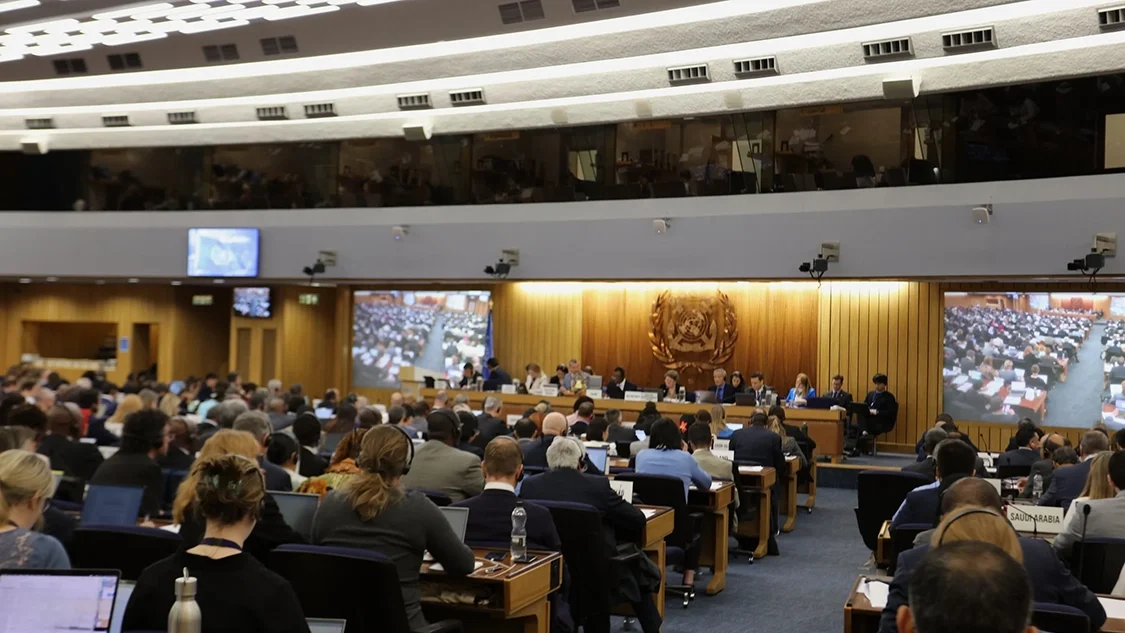
In October 2025, discussions at the Marine Environment Protection Committee (MEPC) considered whether the NZF should be adopted using an explicit acceptance procedure rather than the tacit procedure, which has typically been used for amendments at the IMO since the early 1970s with much success.
The explicit procedure requires States to actively confirm acceptance by completing domestic legal procedures before an amendment can enter into force. By contrast, the tacit acceptance procedure works like automatic enrolment and places the burden on objecting States to formally opt out.
The acceptance procedure is crucial for the success of the framework.
The scale of the problem
Procedural design has historically had major consequences for international maritime regulation. Amendments adopted under tacit acceptance procedures at the IMO typically enter into force within 18–24 months. By contrast, amendments requiring explicit acceptance have sometimes taken many years or even decades to reach the acceptance thresholds required for entry into force, while many remain in limbo after failing to meet the necessary requirements.
What’s covered in the submission?
This briefing examines how the choice between tacit and explicit acceptance procedures could affect the implementation of the NZF. It explores:
- How tacit and explicit acceptance procedures work within IMO treaty frameworks and how they affect the entry into force of amendments.
- How gross tonnage thresholds influence amendment outcomes, concentrating decisive influence among a limited number of flag States controlling large shares of the global fleet.
- Why explicit acceptance procedures can introduce systemic delays, as States must complete domestic legal and administrative procedures before confirming acceptance.
- The risk of prolonged delays where explicit acceptance is required, where amendments may be adopted internationally but remain pending while States complete domestic approval procedures.
- Real-world case studies demonstrating how administrative, legal and legislative requirements can extend timelines for international agreements to enter into force.