
Download documents
Download briefingBackground
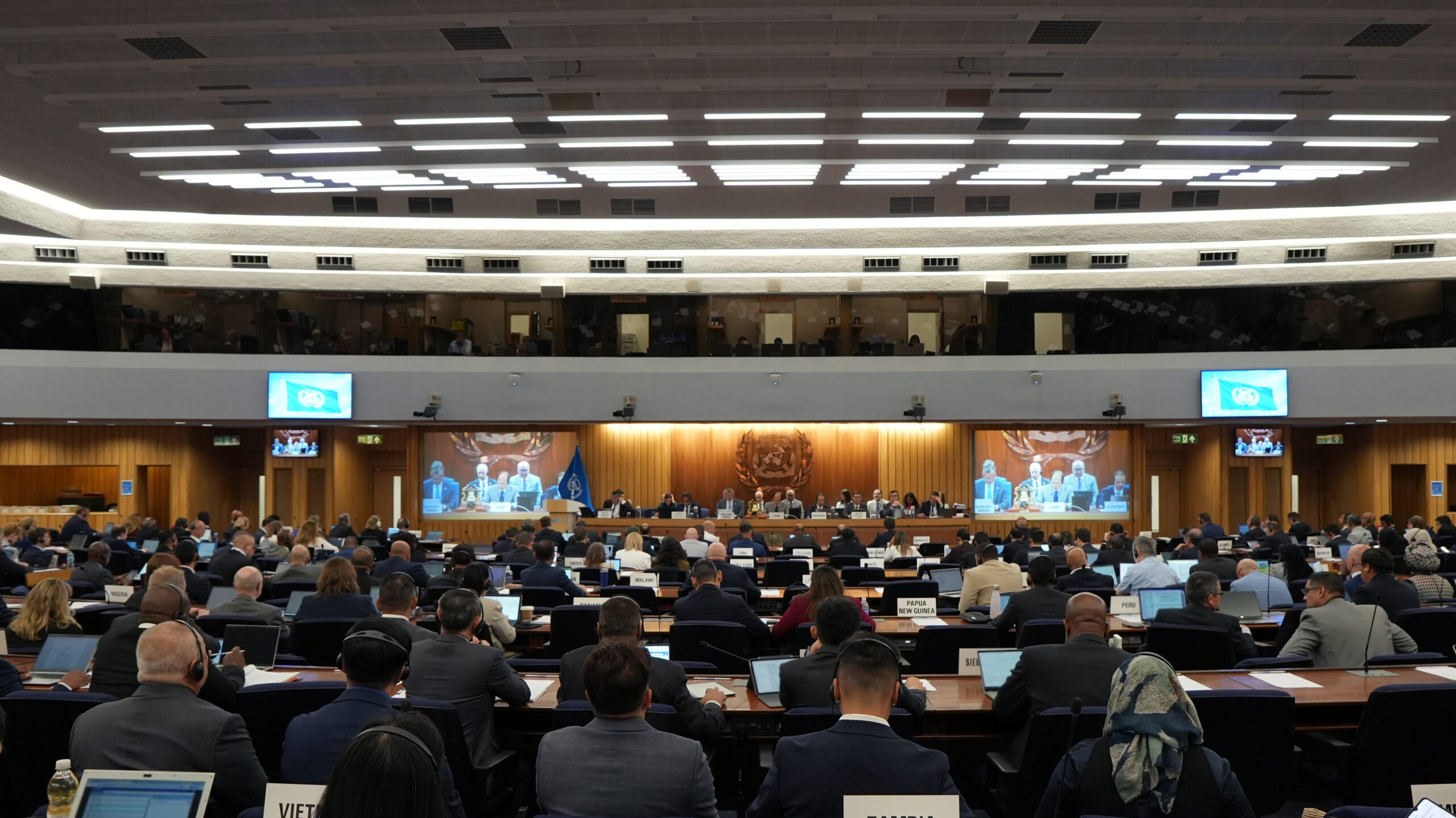
This autumn, Member States at the IMO will resume negotiations on the Net Zero Framework (NZF), a package of measures to reduce shipping’s climate impacts. The NZF was agreed in April 2025, before talks to formally adopt the framework were adjourned for one year in October 2025, due to pressure from a coalition of fossil fuel exporters.
Ahead of fresh talks, that coalition is once again ramping up their campaign to block shipping’s climate action, claiming that adopting the NZF risks “potentially disproportionate impacts on long-haul trade and remote, trade-dependent economies”.
While trade impacts on remote economies – including developing countries, Small Island Developing States (SIDS) and Least Developed Countries (LDCs) – are undoubtedly an important consideration, failure to adopt the NZF will not level the playing field.
What’s covered in the briefing?
- While trade impacts from adoption of the NZF would be partly distance-dependent, overall trade impacts are governed by changes in the final price of imported goods. A range of evidence indicates that voyage distance is only a minor determinant of the overall impact on trading costs.
- The alternative to adopting the NZF is shipping’s continued reliance on fossil fuels, which will not stabilize global trade. Rather, it is that very reliance that has driven so much recent volatility.
- The increasingly severe climate impacts flowing from continued inaction will disproportionately impact many of the world’s most remote, and poorest, economies, including developing countries, SIDS and LDCs.
- The best way to address climate vulnerability and trade impacts in tandem is an ambitious and effectively designed NZF, which includes mechanisms aimed at addressing disproportionate trade impacts.