

Download documents
Download briefingBackground
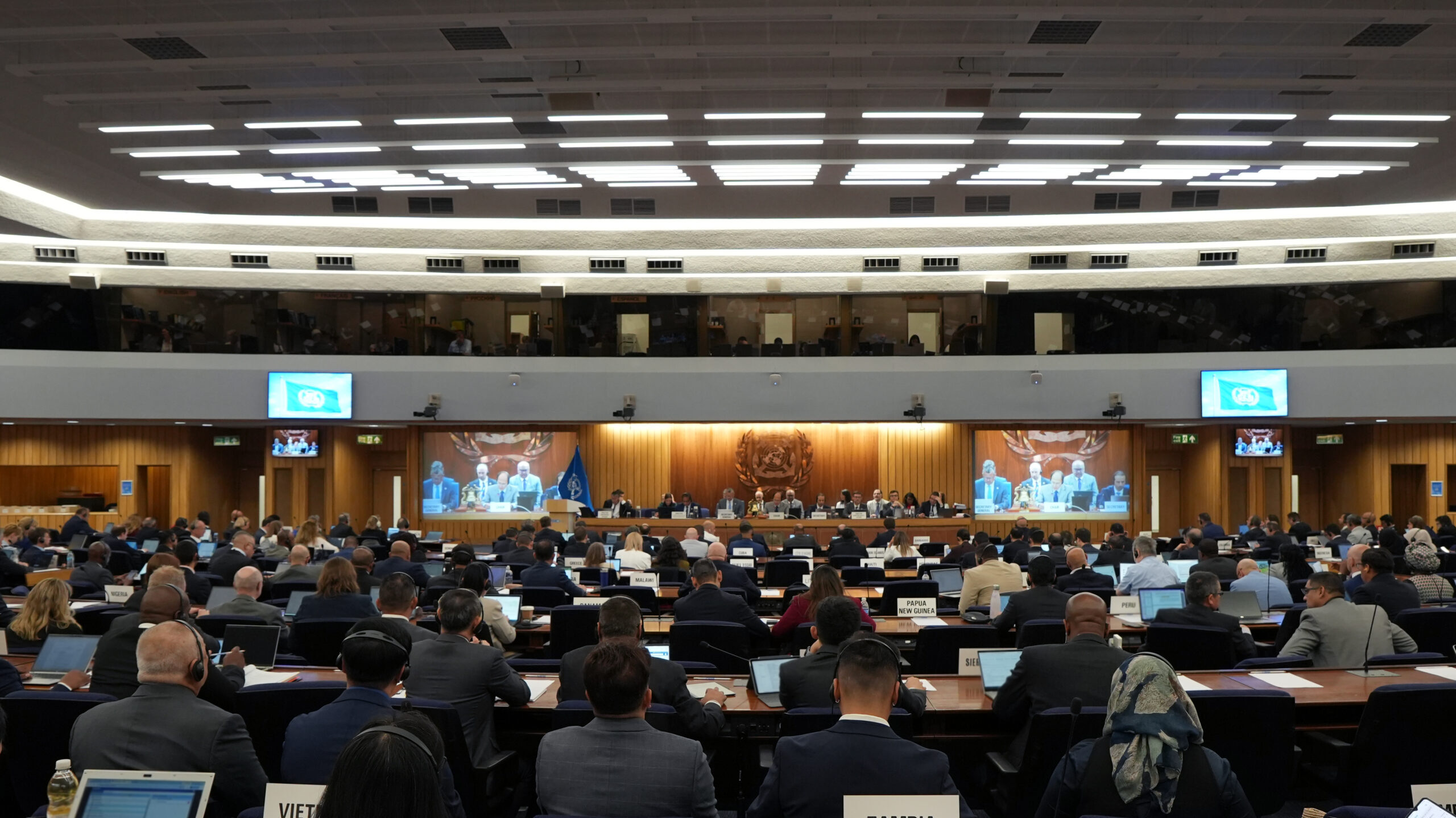
The IMO Net-Zero Framework (NZF) is back on the table for adoption at MEPC 85 later this month. One of the key points of negotiation is the Framework’s economic element. The NZF, as currently drafted, foresees the compliance revenues from the economic element being gathered into a new, dedicated Net-Zero Fund administered by the IMO. Several Member States have raised concerns with this approach.
As our previous briefing, Why we need the economic element in the IMO Net-Zero Framework highlights, the economic element and its compliance revenues are critical to ensuring an effective, just and equitable energy transition for the maritime sector.
This briefing responds to the concerns voiced by proposing an alternative model for the financial instrument under the NZF’s economic element – namely a facility.
What’s covered in the briefing?
- Overview of the key functions required of the financial instrument and the bodies necessary to operationalise this.
-
Distinction between fund and facility:
-
A fund is an entity which receives, holds and disburses revenues.
-
A facility is a mechanism which mobilises and directs revenues through existing financial architecture without holding funds itself.
-
-
Clarification of the following under the different models:
- Financial architecture
-
Decision-making
-
Time and cost required to operationalise
Recommendations
A facility offers a way for compliance revenues from the NZF to be mobilised and directed towards projects eligible under Regulation 41 of the NZF leveraging existing financial architecture and with minimal administrative burden and cost to the IMO, while the IMO still retains oversight and decision-making authority over how the revenues can be used. The facility model offers a number of advantages over the fund model, as the processes required to establish and operate a facility are significantly lighter and more efficient than a fund.
The briefing recommends that Member States take note of these points in their preparations for MEPC 85.
Authors
- Lead author: Sapphire Ross
- Co-author: Maudie Fraser