
Download documents
Download reportBackground
As the International Court of Justice recognised in its Advisory Opinion on the Obligations of States in respect of Climate Change, a clean, healthy and sustainable environment is essential for the enjoyment of a number of human rights.
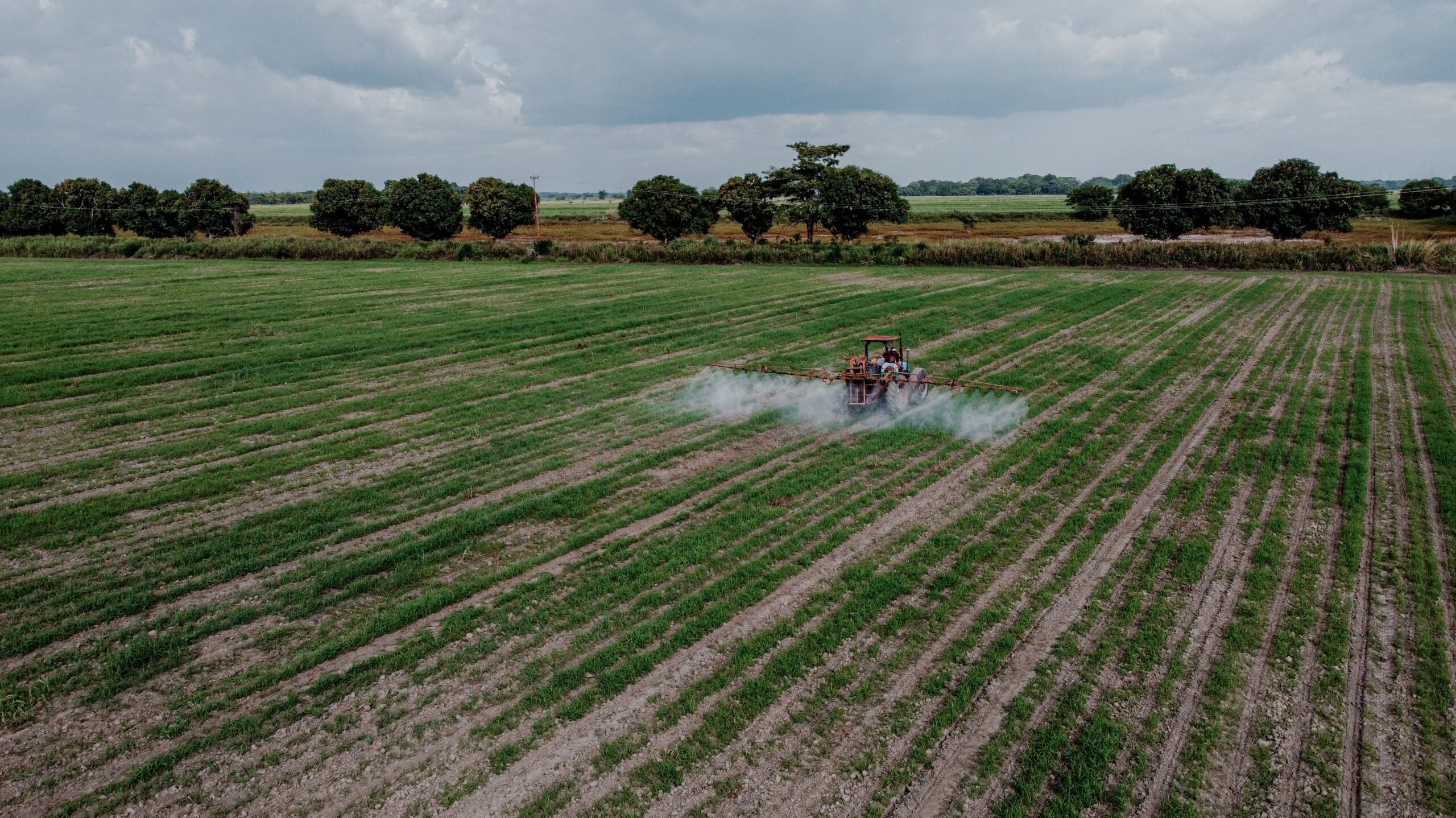
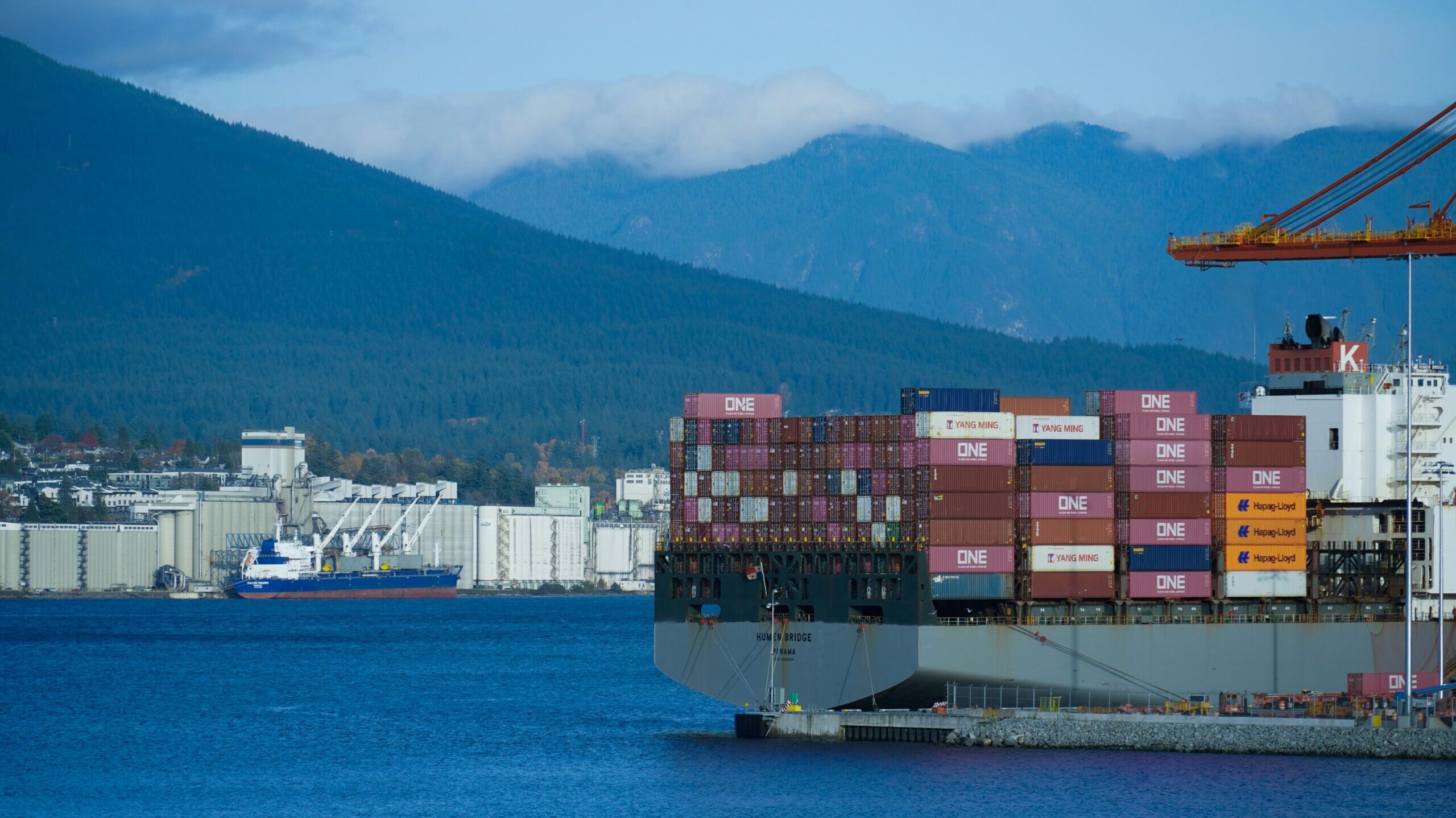
Our submission covers shipping, aviation, heavy-duty vehicles (HDVs), and agriculture, which are significant sources of greenhouse gas (GHG) emissions and air pollution and have a growing range of climate-related technologies intended to reduce emissions, but which can also have severe climate and human rights implications.
Together, these sectors account for a substantial share of global greenhouse gas emissions and are also significant sources of short-lived climate and air pollutants, including methane, nitrous oxide (N2O), black carbon, nitrogen oxides (NOx), and particulate matter, which contribute to climate change, respiratory and cardiovascular disease, premature mortality, and other human health impacts.
Unabated emissions from these sectors alongside the technologies deployed to decarbonise them can themselves create human rights impacts that must be addressed to ensure a just and equitable transition.
Many climate-related technologies and so-called ‘transitional fuels’ across the sectors outlined in this submission risk locking in fossil fuels for decades to come. It is therefore crucial to be alive to the significant climate and human rights impacts they pose and ensure that the full lifecycle impacts are considered.
What’s covered in the report?
Responses to the following consultation topics:
- Human rights concerns arising from climate-related technologies and fossil-fuel-dependent ‘transitional fuels’.
- Good practices and challenges in terms of human rights and environmental impact assessment of climate technologies.
- International human rights and due diligence obligations applicable to state and private actors in the context of climate-related technologies and transitional fuels.
- Challenges and opportunities to defossilise our economies in the context of climate-related technologies, including international cooperation.
Recommendations:
- States should reject fossil fuel-dependent and crop-based fuels and instead prioritise genuinely sustainable fuel pathways that do not undermine equitable climate goals, human rights, health, food security, and the environment.
- States should prioritise battery-electric HDVs to deliver emissions reductions while reducing air pollution and associated human rights impacts.
- States should assess agricultural technologies across their full lifecycle and favour solutions that reduce absolute emissions without undermining food security, livelihoods, land, water, and air quality.
- Holistic assessment, guided by the Planetary Boundaries framework, must be applied to climate-related technologies to enable identification of the potential human rights and environmental impacts.
- States should strengthen regulation of high-emitting activities and provide predictable, accessible, and equitable finance and technology support to developing countries.
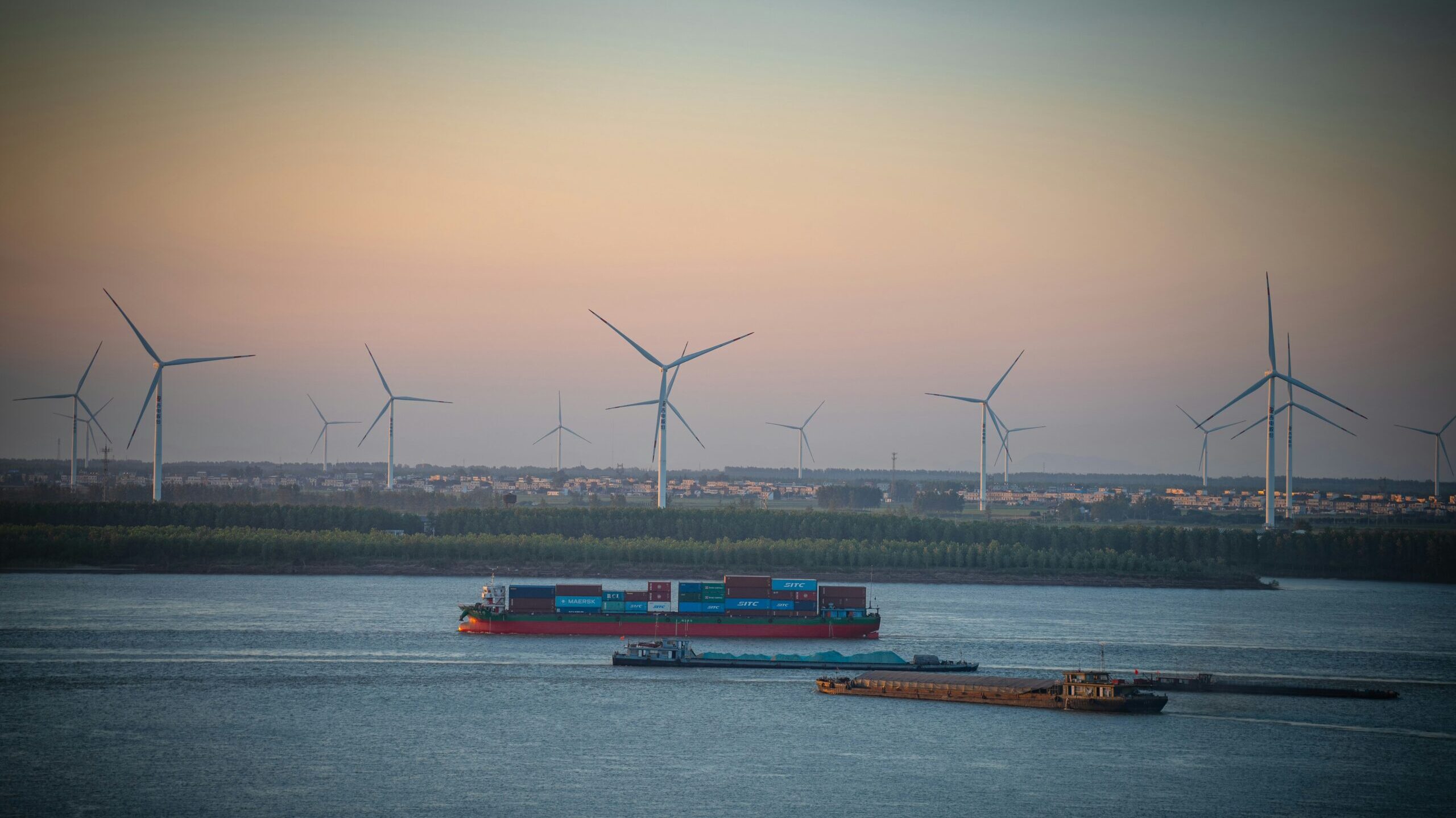
- Member States should internationally cooperate and strengthen the NZF’s emissions trajectory, environmental safeguards, and revenue distribution arrangements, to ensure that shipping decarbonisation advances both climate and human rights objectives.
- States should accelerate global electrification through ambitious, predictable regulation, targeted financial support and investment in infrastructure, prioritising smaller operators and developing markets.