
2 November 2026
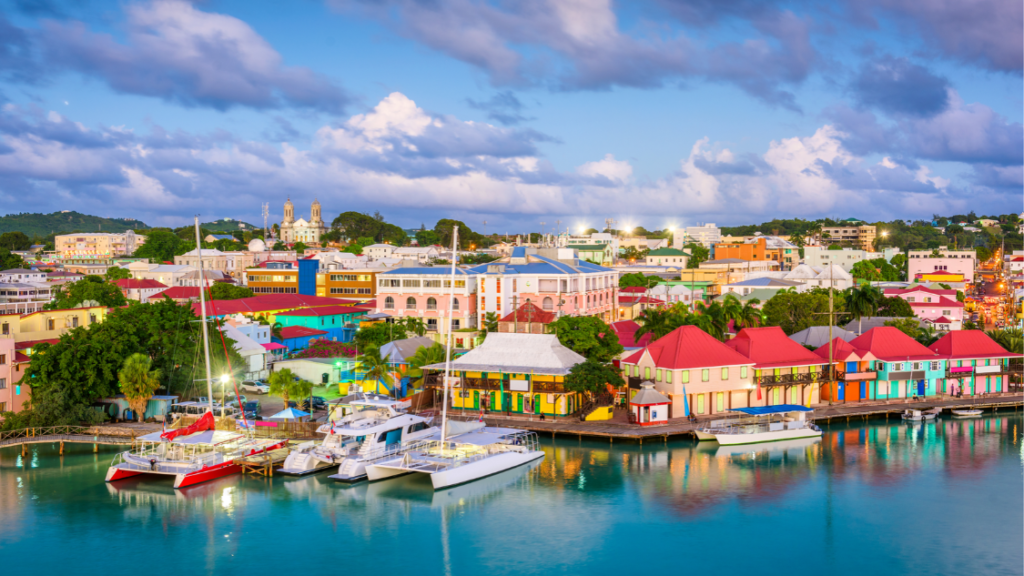
Advancing the maritime energy transition in the Caribbean
Find out how the Caribbean is well positioned to emerge as a leader in shipping's energy transition.
Read moreThis United Nations specialised agency is responsible for regulating maritime transport and supporting the sector’s energy transition
The International Maritime Organization (IMO) is responsible for regulating global shipping safety, security, and environmental performance. Its work includes the prevention of marine and atmospheric pollution by ships, including oil spills and greenhouse gas emissions through its Marine Environment Protection Committee (MEPC) and Intersessional Working Group on Reduction of GHG Emissions from Ships (ISWG-GHG). At the MEPC83 meeting in April 2025, the IMO Net-Zero Framework was approved, with the intention of becoming a legally-binding framework to reduce GHG emissions from ships globally.
Key publications from Opportunity Green's experts.
How Japan’s IMO submission risks weakening the Net-Zero Fund and leaving climate-vulnerable countries behind.
Read more
Which legal amendments to the IMO's Net-ZeroFramework will deliver 1.5°C?
Read more
The economic element in the IMO Net-Zero Framework is critical to funding green fuels and ensuring a just transition for global shipping.
Read moreFind out with our quick-fire Q&A
The framework sets binding emissions intensity reduction targets for ships, with penalty payments being required for those who fail to meet them. While the framework was approved in April 2025, governments have an opportunity to propose changes to the framework before it goes into force in 2027, as well as after. The current framework covers three key areas, and only for vessels over 5,000GT despite vessels between 400 and 5,000GT being responsible for a large proportion of total shipping emissions:
Our guide on the IMO Net-Zero Framework provides more details on this.
UCL Shipping and Oceans Research Group estimate that the Framework’s regulations would result in a 10% reduction in emissions by 2030, yet the Framework strategy stated a target of 30%. Within the parameters of the Framework, a 30% reduction is unlikely by 2030 as there is not enough incentive to speed up the transition by then. Shipping companies might adopt the new cost of paying for their pollution into their operations instead of seeking for alternatives. UCL Shipping and Oceans Research Group also state that it is only forecast to generate $11-12bn, which is not enough to support a just and equitable transition in energy.
The agreement could also push companies to biofuels rather than renewable hydrogen e-fuels, however, not all alternative fuels will have a positive impact on the climate.
While the Framework is a historic step for global shipping, current targets fall short of what’s needed for a truly just transition. Read about the critical areas where policymakers must push for higher ambition to align the industry with the Paris Agreement.
Japan’s latest proposal for changes to the NZF would significantly alter the agreed policy architecture, undermining even further the chances of making the 2023 Revised Strategy a reality. The primary changes involve: removing the Net-Zero Fund, the key pillar of “economic measure”; making the purchase of Surplus Units (SUs) the primary mechanism for addressing compliance deficits; and introducing an industry-led “direct contribution” as a global financing mechanism. Our analysis shows the stark costs that would need to be covered based on the climate impact of not acting now and proceeding with the Net-Zero Framework.
2 November 2026
Find out how the Caribbean is well positioned to emerge as a leader in shipping's energy transition.
Read more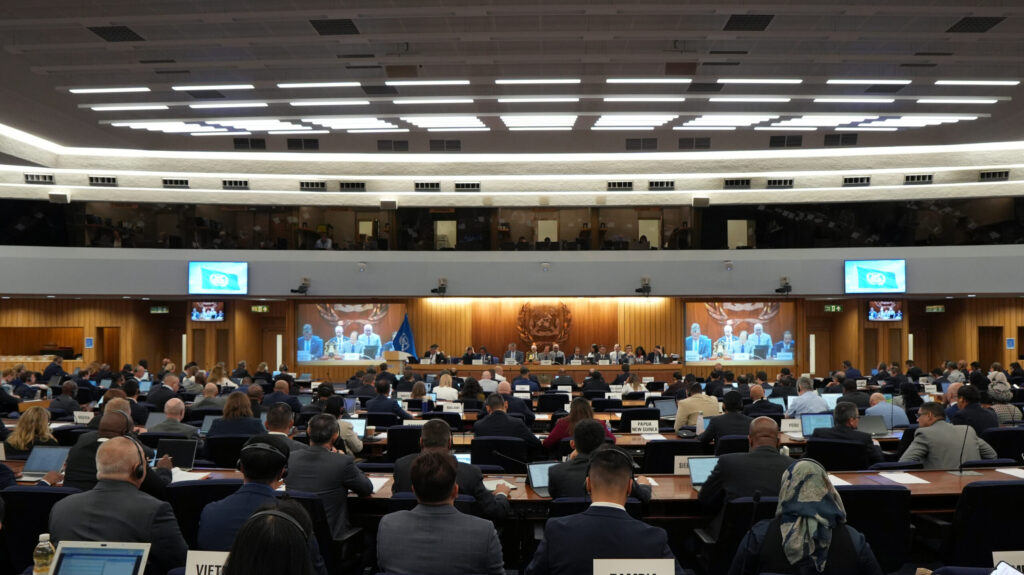
25 August 2026
Our analysis of submissions to IMO’s ISWG-GHG 22, from carbon pricing to a just and equitable transition.
Read more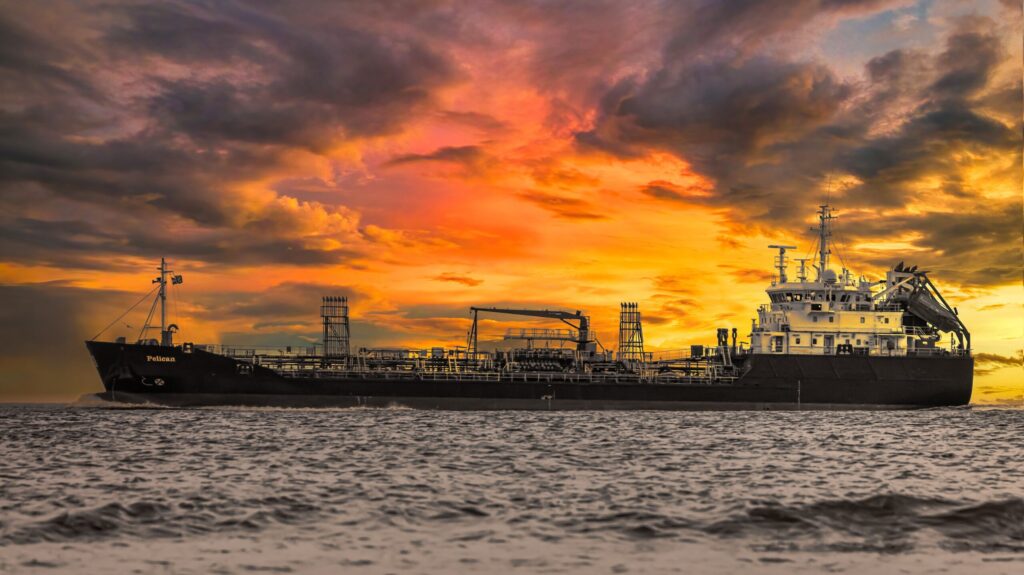
16 April 2026
Our analysis of the high stakes at IMO's ISWG21 and MEPC84, from fuel standards to an equitable transition.
Read more
20 October 2026
Opportunity Green warns that Japan’s IMO proposal hands control of maritime finance to private companies, leaving climate-vulnerable nations adrift.
Read more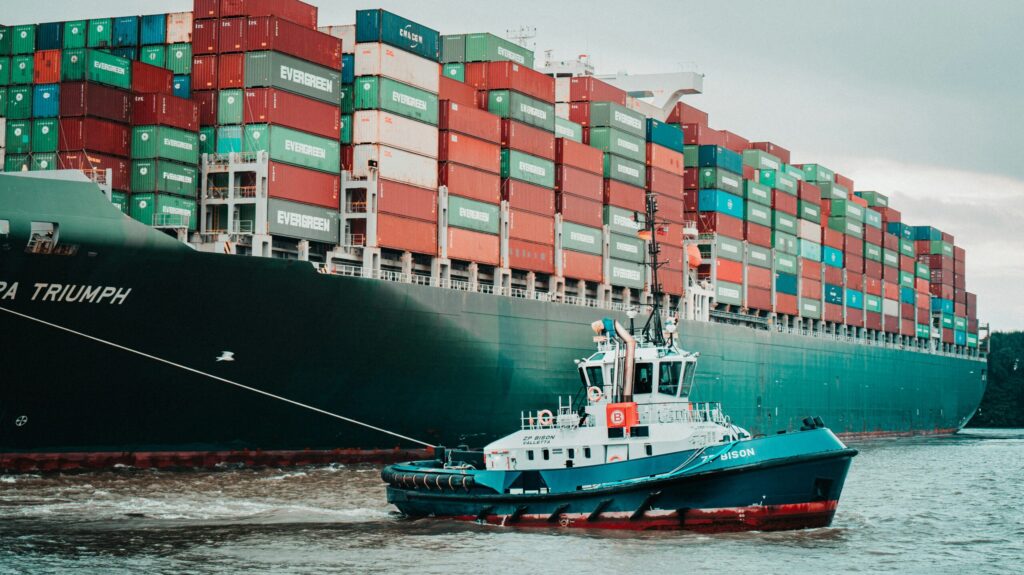
14 April 2026
Legal opinion underscores need for unity amongst EU Member States in adopting Net Zero Framework positioning.
Read more
13 April 2026
10 biggest global shipping companies record US$42.9bn profits – but pay around half global average tax rate.
Read more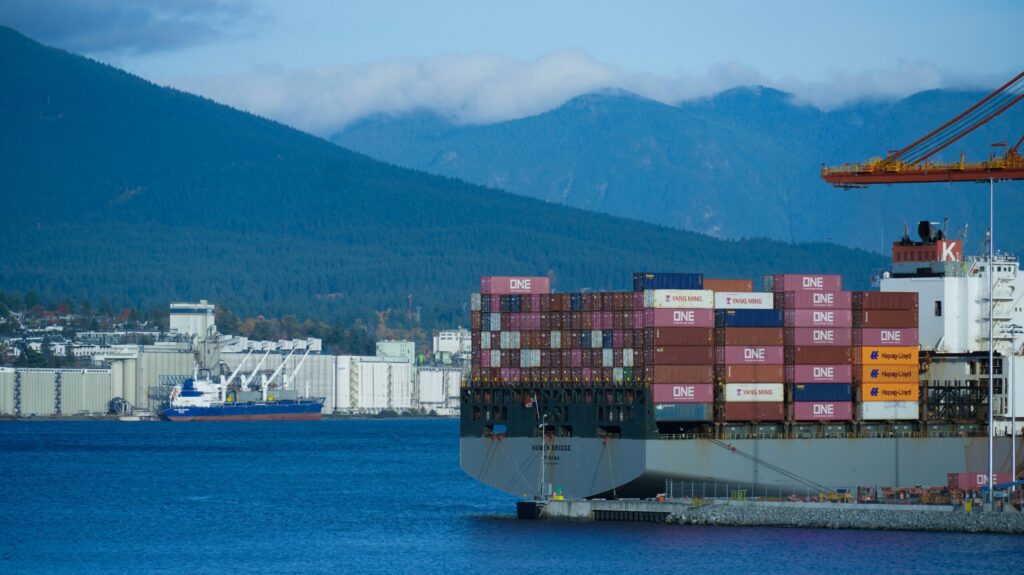
23 April 2026
Japan’s submission to MEPC 84 proposes options that could drastically weaken the IMO’s Net-Zero Framework (NZF).
Read more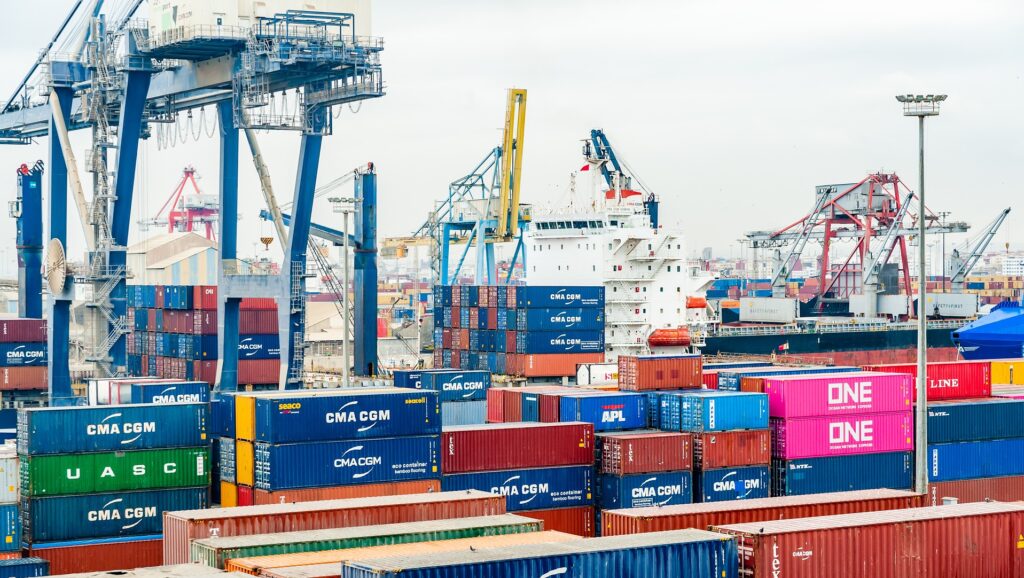
5 August 2026
Which legal amendments to the IMO's Net-ZeroFramework will deliver 1.5°C?
Read more
13 February 2026
NGOs call for a precautionary approach to managing toxic ammonia effluent from ammonia-fueled ships.
Read more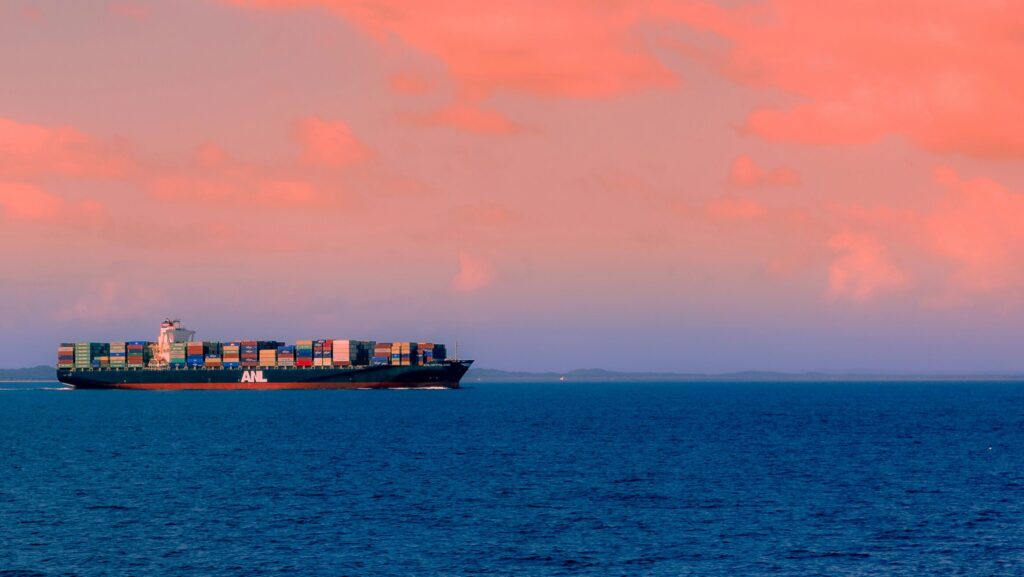
6 August 2026
New proposals have been tabled that could, in effect, replace the IMO Net-Zero Framework. Opportunity Green calls on governments to protect the Framework.
Read more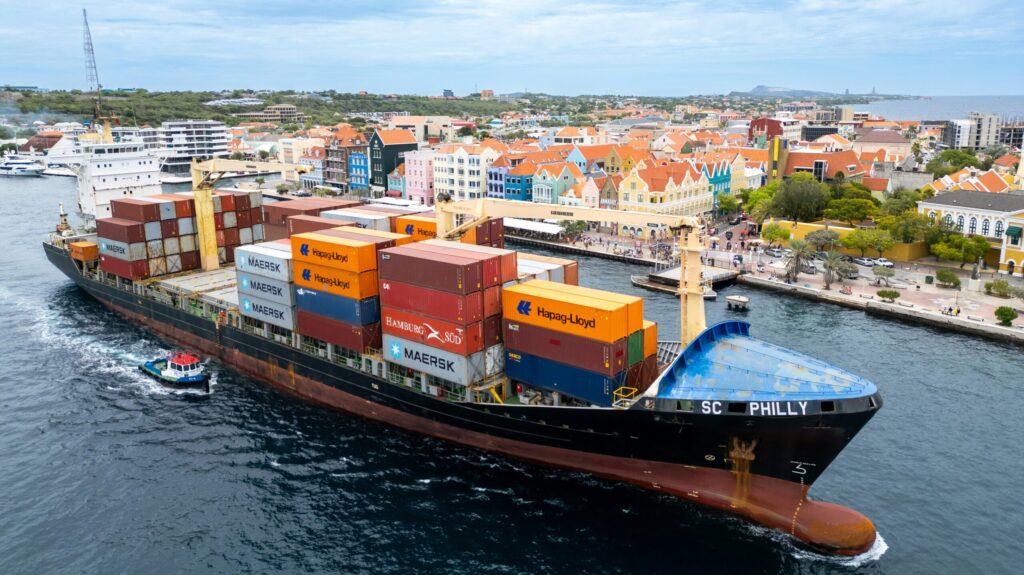
16 March 2026
Tacit or explicit acceptance could determine whether the IMO’s Net-Zero Framework enters into force swiftly or faces years of delay.
Read more
26 April 2023
Why the IMO’s legal remit covers emissions from the shipping fuel lifecycle.
Read more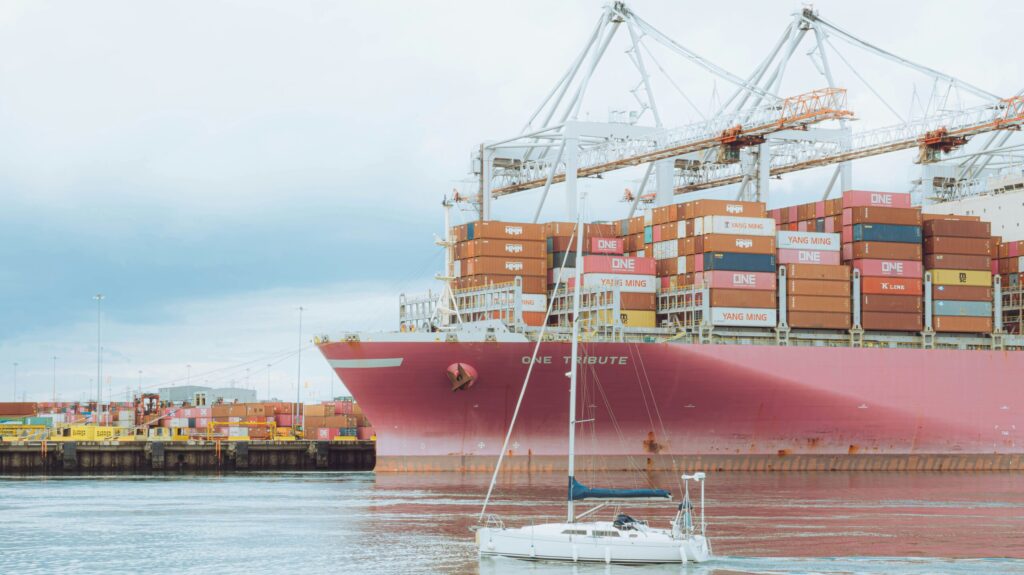
1 September 2026
Fossil fuel exporting states' false claims that shipping climate action will harm remote economies overlook why inaction could be worse.
Read more
18 June 2026
The economic element in the IMO Net-Zero Framework is critical to funding green fuels and ensuring a just transition for global shipping.
Read more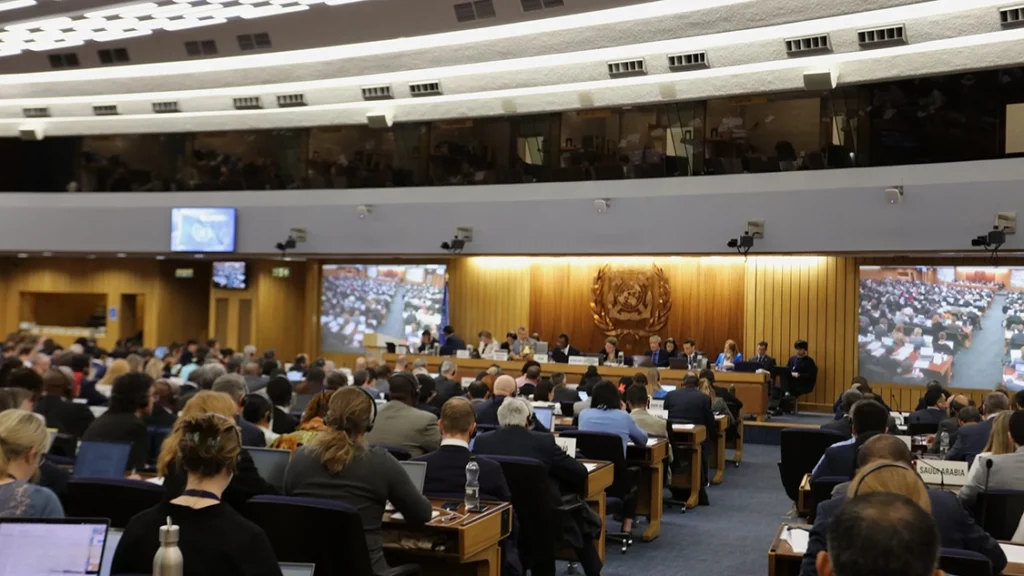
13 May 2025
Why the IMO's recently agreed Net-Zero Framework fails to achieve climate justice.
Read more
30 March 2023
Did recent IMO discussions deliver climate action for shipping?
Read more
24 October 2024
What progress did we see at the IMO in October 2024 and what's next?
Read more
9 April 2024
The key outcomes from the IMO’s 2024 March meetings.
Read more
4 March 2024
Why the shipping sector must act now to decarbonise or face legal risk.
Read more
19 July 2023
A new IMO deal aims to cut shipping emissions, yet leaves major climate gaps unresolved.
Read more
11 April 2025
Major IMO negotiations fail to adequately drive a just and equitable maritime transition.
Read more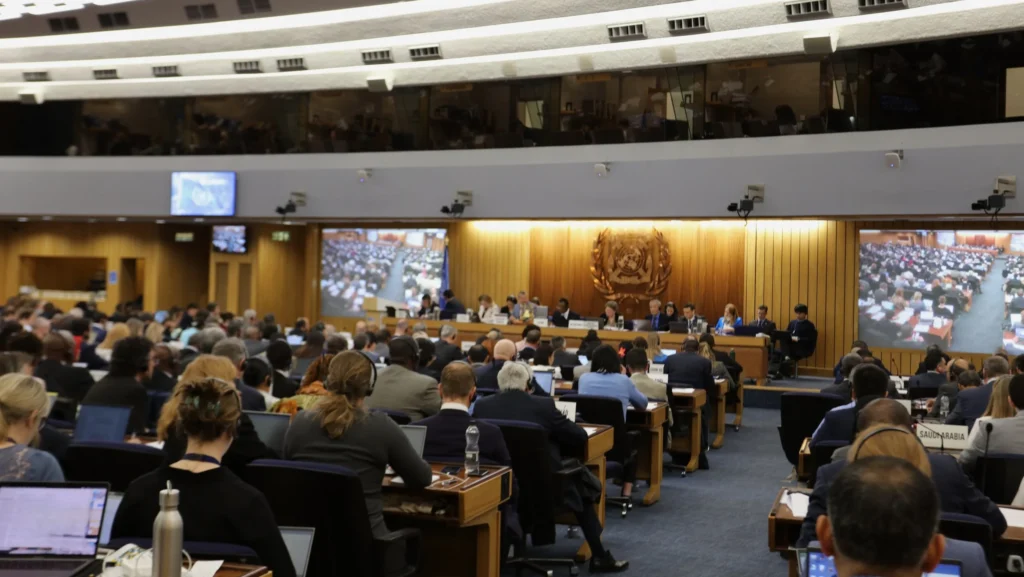
9 October 2025
The IMO prepares for historic negotiations on the Net-Zero Framework.
Read more
13 March 2023
IMO must ensure the shipping transition doesn't leave behind climate vulnerable countries.
Read more
23 September 2024
Final chance for States to decide on the measures to decarbonise shipping.
Read more
7 July 2023
Insufficient progress made at latest round of IMO negotiations.
Read more
14 June 2023
Emission targets mean nothing unless the voices of the ‘silent majority’ are heard.
Read more
24 March 2023
Now we need more to achieve an equitable transition that ‘keeps the 1.5 alive’.
Read more
1 May 2025
Our guide to the IMO Net-Zero Framework for reducing greenhouse gas emissions from international shipping.
Read more
1 May 2025
Discover the procedure for amending MARPOL Annex VI in the case of the IMO Net-Zero Framework.
Read more
3 December 2025
Our guide to the International Maritime Organization's role in decarbonising international shipping.
Read more
1 July 2025
Discover the key areas where IMO regulations must be more ambitious to ensure a just transition.
Read more
1 November 2025
IMO’s Net-Zero Framework is delayed, but ambition, timelines, and equity remain negotiable.
Read more
9 April 2025
Top 10 essential reads on IMO talks.
Read more
6 March 2025
We highlight the risks of nitrogen pollution from using ammonia as a shipping fuel in a submission to the UK House of Lords inquiry.
Read more
18 February 2025
Explore why the IMO must count shipping’s full lifecycle emissions – crucial for meaningful climate action and equitable decarbonisation in global shipping.
Read more
1 July 2024
Our legal analysis shows that the use of scrubbers on ships falls short of requirements due to harmful air pollution levels.
Read more
11 May 2023
Our seminar with the Royal Thai Embassy prepping delegates on equitable shipping decarbonisation at the IMO.
Read more
1 April 2023
Our report shows why the IMO needs to regulate the full lifecycle of shipping fuels to ensure a true green transition for shipping.
Read more
13 April 2026
The biggest shipping companies hit near-record profits in 2024 while continuing to massively underpay tax.
Read more
1 March 2025
The biggest shipping companies top all time high profits but massively underpay tax.
Read more