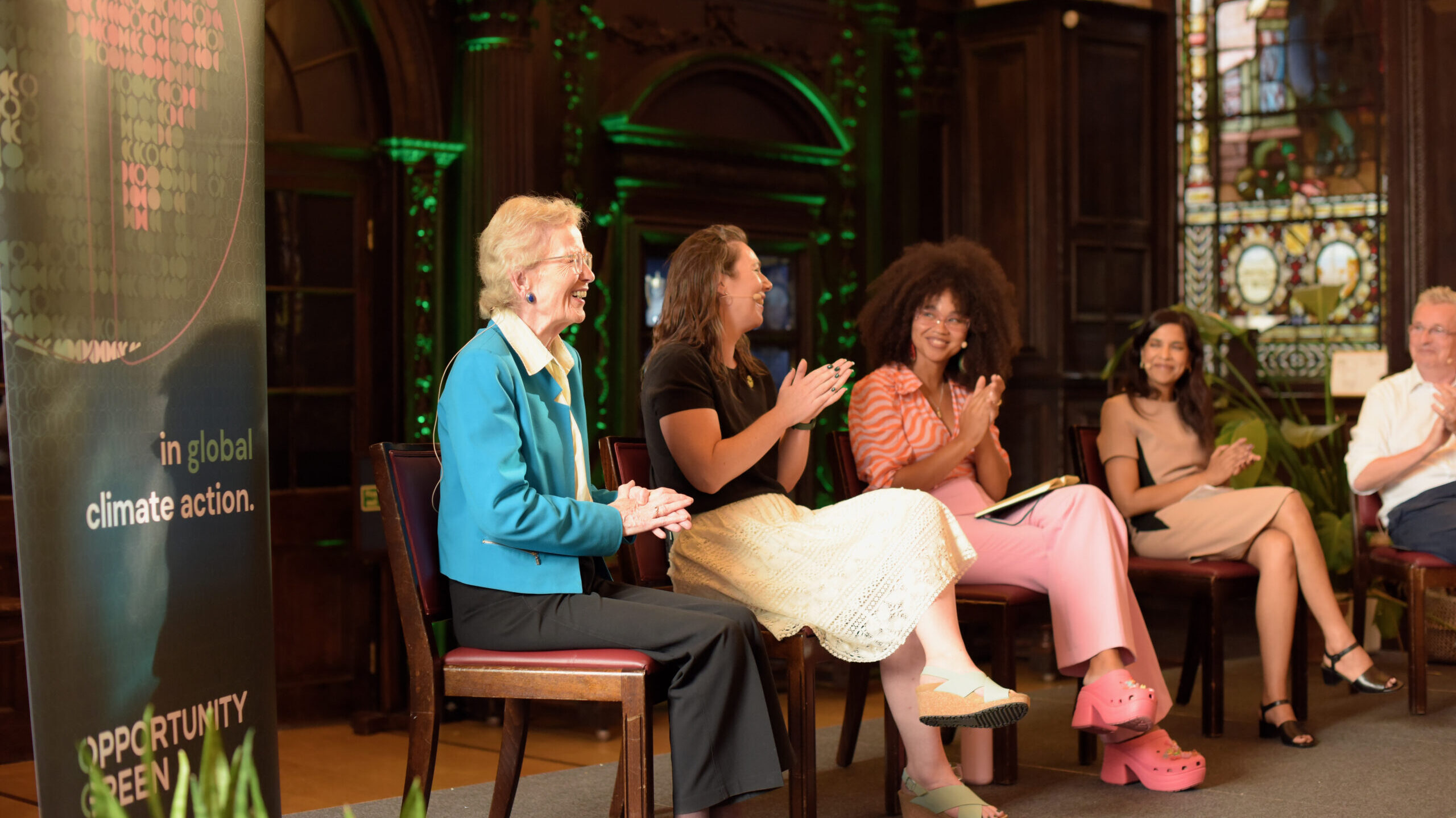

Opportunity Green turns five in October 2026. We’ll be celebrating in June, which will be four years since we got charity status (more on that below!).
I’m so proud of Opportunity Green and all it has achieved. Really most of that is down to the team – and if there’s one thing I’m willing to pat myself on the back for, it is having hired such fabulous people. But I’ve learned a few other lessons along the way and in case they are useful to anyone else starting their own thing, here they are:
1. Find your priority and be ruthless in sticking to it
This is probably true of anything you do in life, but prioritisation is so important. There’s always more work to do than can be done, so know what is most important.
My number one priority when starting Opportunity Green was securing funder support. And our funders are still my first priority (staff come a close second!). Without supportive funders, Opportunity Green would cease to exist. That’s not to say that when funders say “jump”, we say “how high?” but I would definitely say something like “tell me more about why you are looking for us to jump…”
I’m so grateful to all the funders who have supported Opportunity Green along the way. And also grateful that we’ve grown enough as an organisation to politely decline funding that doesn’t cover the cost of our work.
What does that prioritisation mean in practice? If there is a funder meeting or a proposal deadline, working on that takes priority over everything else, always.
2. You don’t need to start with a clear strategy of one big idea
This might sound really counterintuitive and indeed in the early days I was told so often that I needed a really clear and unique “one thing” that OG would do, that for a while I believed it. If you have a really clear strategy from day one – great! But if not, you can develop it along the way.
I started with a list of things I wanted to do that were unique, but were also very specific and didn’t necessarily hang together as a strategy. It is surprising to me that new climate organisations are expected to be focused solely on only one part of the problem.
To be clear, not having one unique idea does limit your funding options. It means that certain funders will turn you down, and there won’t be any start-up funding to support you. Whereas, if you have one brilliant idea, there is support out there (though not necessarily easy to get!).
I have never come across funding for someone who thinks holistically across multiple areas and aims to create an organisation that would be a great place to work (if you know of any funding like that please let me know – too late for OG but would be amazing to hear about!).
This suggestion that you should just do one thing is strange to me – if we knew there was one specific thing that would solve the problem wouldn’t everyone be doing it? And if you are supposed to be focused solely on one way to tackle the problem, why has no one told the likes of Greenpeace, WWF or Friends of the Earth? (Yes, I did just compare OG to them!)
Surely, what we need to tackle the climate crisis is an ecosystem that is laser-focused on one specific thing, but also room for those who can think strategically across sectors and policy areas and manage and grow organisations?
At Opportunity Green, while we do multiple things, we don’t just do anything. Our north star is simple: impact in sectors where emissions still aren’t falling.
3. Hire brilliant people – but not jerks
After nine months of being the CEO to only myself, I was lucky enough to be able to hire – and I struck gold. Those early team members were, and still are, exceptional, helping shape OG into what it is today – and the brilliant people who have joined since have continued that oversized impact.
But I have also learned that you can’t get it right every time. Letting someone go is the toughest part of management, and, of course, it’s always hardest for the person on the receiving end of the conversation. We’ve all been in organisations where people who don’t pull their weight or are difficult to work with are worked around rather than addressed. That’s not who we are.
We have really high standards at OG, and keeping someone in a role when they’re not right for OG does far more damage in the long run, both for the individual as well as OG. We’re keen to make sure to give people what they need to thrive at OG, but I’ve also learnt to trust my gut more when it comes to hiring, and that culture and values are equally important as technical expertise. It doesn’t matter how skilled, experienced, or well-networked someone is: if they won’t be a good cultural fit, I won’t hire them. As Reed Hastings says, no brilliant jerks!
4. Make sure your ops team is well-resourced
Ok so this one is very specific, but the hardest moment of starting Opportunity Green came after our first big piece of funding was agreed.
The contract started in March 2022, and off the back of it, I hired two people who were starting that June. Payroll was on the last Friday in June, and by mid-June, there had still been no payment under the contract. Luckily, the funds landed just in time.
I’ll never forget the Saturday morning when I checked OG’s bank account first thing in the morning, and finally, the money had arrived! The relief was immense – I’d been refreshing the account roughly every 15 seconds while awake for days.
Before those hires, if OG had failed, it would have been just bad for me (though I’d already gone four months without a salary at the start and was not keen to return to that!). But hiring people and not being able to make payroll? Ooof.
And it wasn’t just this one contract. Small and new organisations depend on cash flow. If you receive an invoice from a small organisation, please pay it within 30 days of the invoice. It might sound like a minor technicality, but for many organisations trying to make ends meet, it is literally essential.
This connects to a much bigger point: your operations team (finance, HR, IT, etc) is VITAL. If staff can’t get their expenses reimbursed or you don’t have HR support for your staff, you can’t deliver impact on climate.
And yet, so many funders restrict “indirect” costs. To me, these costs are anything but indirect – they are 100% essential to achieving impact. Operations are core to everything an organisation does – and recognising this has undoubtedly helped to make OG the success that it is.
5. Be responsive – which requires having a great inbox technique
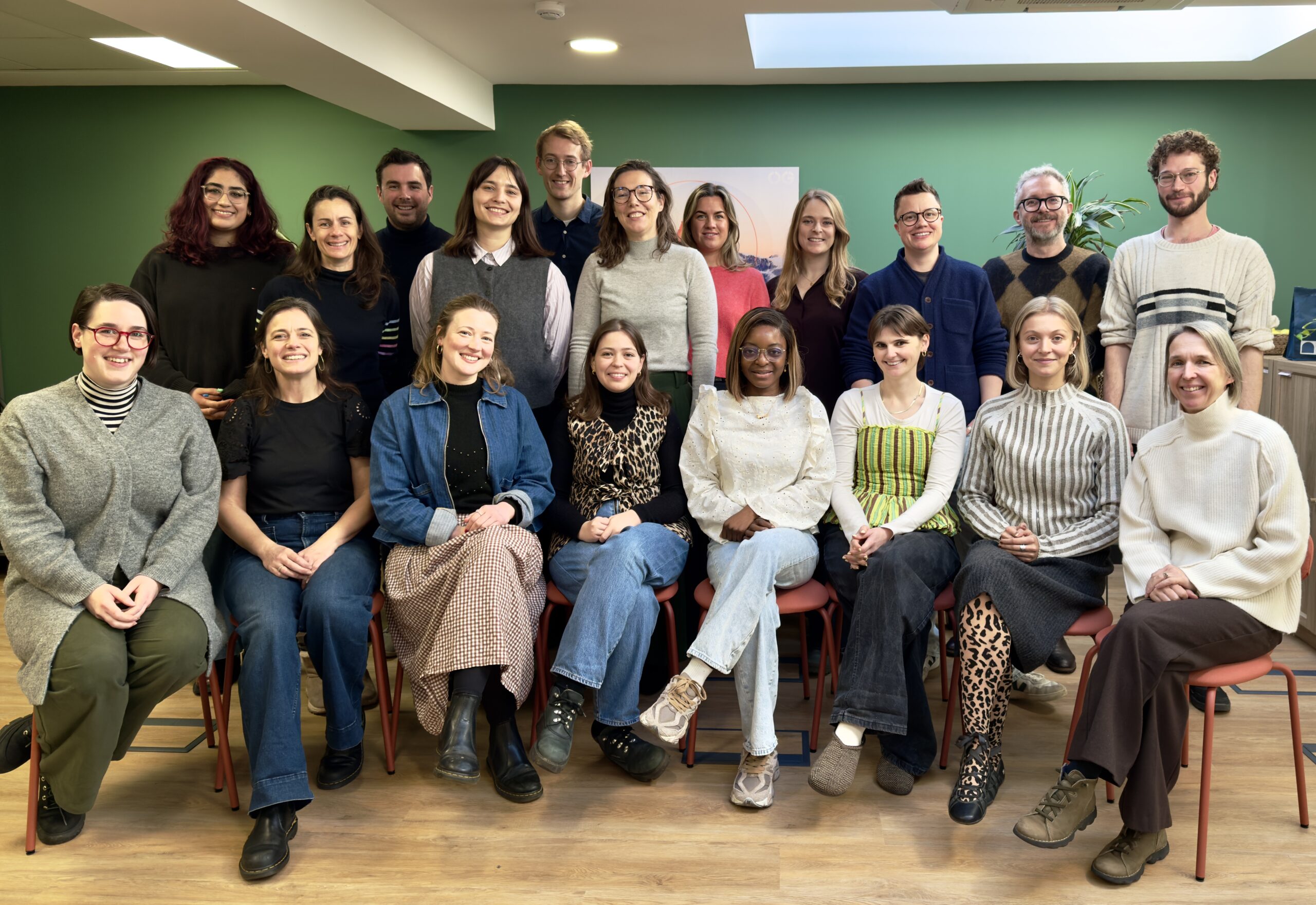
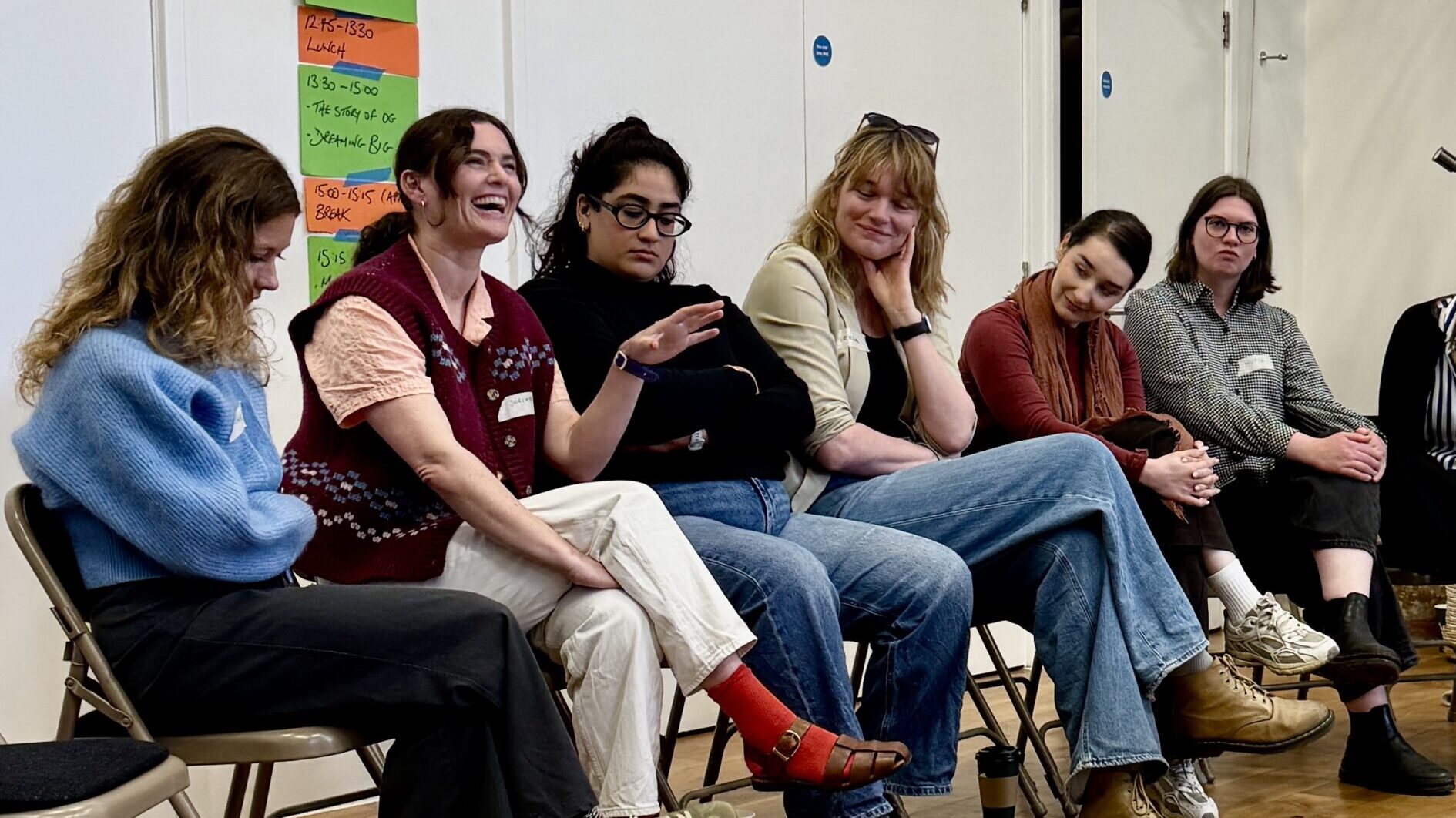
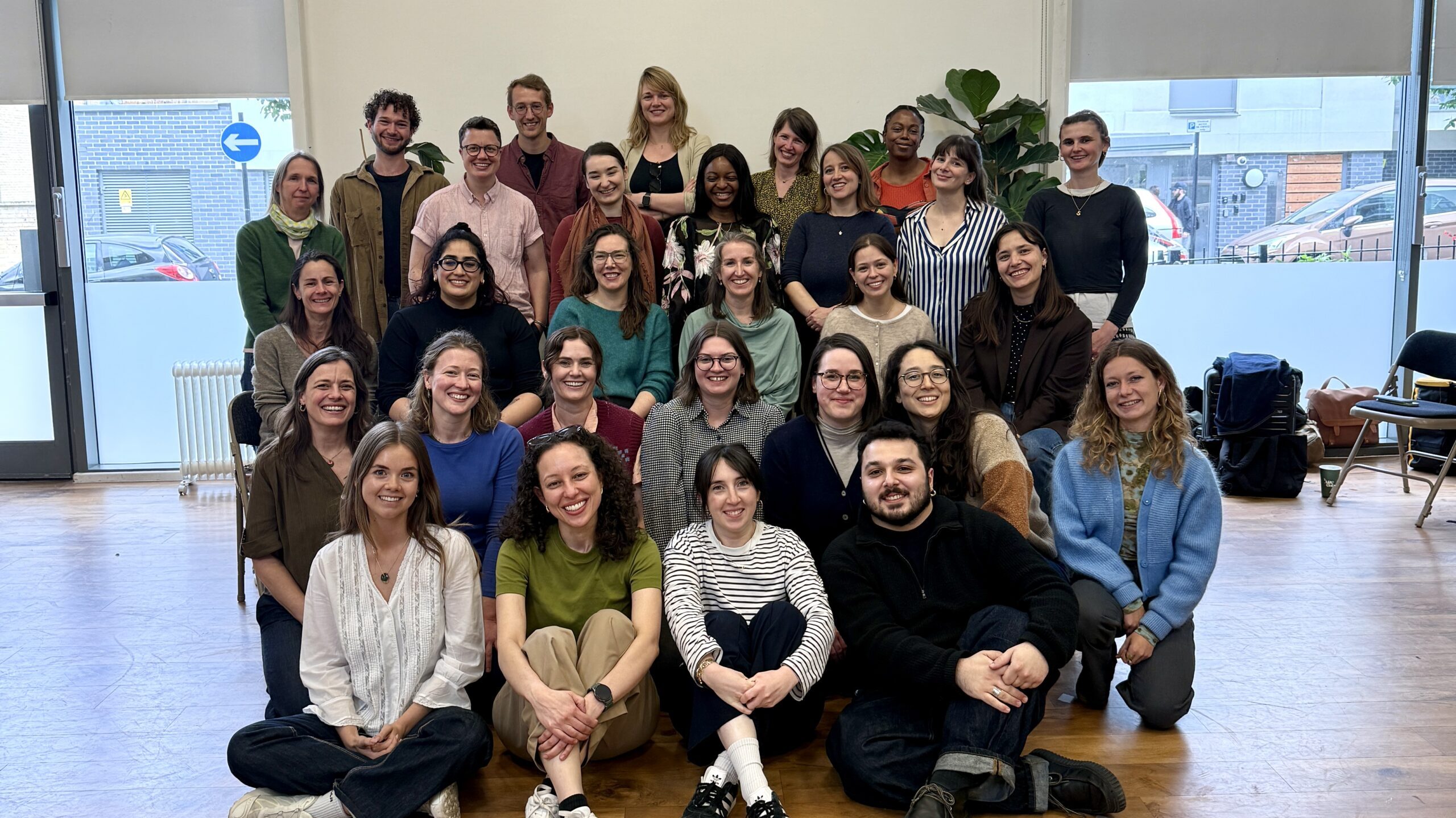
OG has grown faster and bigger than I could have imagined. If I could go back to Aoife in October 2021 and tell her that by May 2026, OG would be 35 staff (many of whom you can see in the video above!), I absolutely would not have believed my future self. To be honest, most days I still can’t! It is a lesson in believing in yourself, but also recognising that you never really know how things will unfold.
Related to point one above, but in a slightly different vein, I never let a potential fundraising opportunity pass me by. Yes, that means there were (and let’s be honest, still are) lots of emails or LinkedIn messages to prospective funders that went unanswered. But if there was a response, I never (as far as I know!) let it pass me by.
A lot of that comes down to having a strong inbox management system – boring as that sounds. I recommend ‘inbox zero’ – but whatever works for you is fine. If you are managing multiple complex projects, you need to ensure you can seize opportunities quickly. And as your organisation grows, responsiveness becomes even more important – you don’t want to be the bottleneck. Boring, but absolutely essential.
So, those are my five reasons why OG is a success. Hopefully, someone will find them useful one day. I had a few brilliant mentors starting out (a huge shout-out to our trustee board!), but I honestly didn’t know anyone who had set up a climate NGO that really thrived. So, if you are thinking of doing something similar and you have specific questions, I can’t promise to be a mentor, but I will always respond if you reach out.
Finally, I hope many of you will join us in celebrating our journey at OG’s 5th birthday with a celebratory panel of climate heroes this June as part of London Climate Action Week. It’s going to be great!