
UN turns landmark climate ruling into political action
Last July, the International Court of Justice (ICJ) issued a unanimous advisory opinion ruling that all states have legal obligations under international law to take decisive action to prevent climate change and limit global warming to 1.5°C. This month, the UN General Assembly turned this court decision into global political action.
The General Assembly adopted a historic resolution calling on countries to comply with their climate obligations, as outlined by the ICJ advisory opinion. This resolution was introduced by the Pacific island state of Vanuatu, which along with other climate vulnerable countries, led the campaign that resulted in the ICJ’s advisory opinion last year.
The resolution sets out concrete actions: tripling renewable energy capacity; scaling up energy efficiency; accelerating a just phase-out of fossil fuels; and tackling inefficient fossil fuel subsidies. It also requests the UN Secretary-General to draft a report on how countries can comply with the court’s findings ahead of the September 2027 General Assembly.
While the advisory opinion and resolution are non-binding, they demonstrate that the ICJ’s ruling is backed politically by an overwhelming majority of countries – 141 in favour and eight against.
Several major oil-producing countries attempted last-minute amendments to water down the text, but the General Assembly rejected them. This sends a clear message to the major polluters and oil states who voted against – among them the US, Russia, Saudi Arabia and Iran – that they stand as a shrinking minority trying to slow down climate action.
Our Legal Officer, Olivia Moyle, says:
“The resolution, endorsing the ICJ’s legal opinion, sounds a significant chime for international cooperation on global climate action. Taking these words, states must now phase out fossil-fuel dependency through national policies. This is an obligation that applies to all sectors, including those that have historically been afforded a ‘free’ pass on the climate harm they cause.
“A clear and effective instrument for implementing this obligation is available to the EU in the coming months: expanding its Emissions Trading System (ETS) to include emissions from international aviation. This would finally put the industry on a credible decarbonisation pathway while generating millions in revenue for climate finance.”
Electric truck sales boom in China
Following the rapid rise of electric cars, China is now experiencing an electric truck revolution, with sales tripling in 2025. Electric trucks now account for 20% of new truck registrations, and sales are projected to rise by a further 45% in Q1 2026.
This growth has been partly driven by rising diesel costs following Iran’s blockade of the Strait of Hormuz, making electricity increasingly competitive with diesel. However, the surge reflects more than geopolitics alone: supportive government policy has also played a key role.
Beijing has extended trade-in subsidies to the end of 2026, plans to build 10,000 km of zero-emission freight corridors by 2030, and Chinese companies have already announced 9,000 new charging stations.
As a result, Bloomberg estimates electric heavy-duty commercial vehicles could account for 63% of total truck sales in China by 2035, even under a scenario that doesn’t include additional pressure from climate targets.
While discussions about decarbonising road transport often focus on passenger cars, electric trucks are essential. Despite making up just 1% of traffic in the UK, trucks are responsible for around 17% of road transport emissions.
Our Legal Manager, Matilda Graham, says:
“China’s electric truck revolution is proof that the technology is ready and the transition is possible with the right mix of investment and supportive policy. This is exactly the kind of momentum the sector needs – and a compelling model for governments around the world to follow.”
Amsterdam bans public adverts for meat and fossil fuels
Amsterdam has become the first capital city to ban public advertisements for both meat and fossil fuel products. Since 1 May, adverts for burgers, airlines, or petrol cars have been removed from billboards, tram and metro stations throughout the city.
Amsterdam has committed to becoming carbon neutral by 2050 and for inhabitants to halve their meat consumption over the same period. This ban is the latest step to align the city’s streetscape with these goals.
Local authorities are hoping that this ban will reduce impulse buying and show that these are no longer aspirational lifestyle choices – replicating the success of the tobacco advertising ban.
Amsterdam is the first capital city to do so, but follows several other Dutch cities, including Haarlem, Utrecht and Nijmegen. Globally, dozens of cities have banned or are moving to ban fossil fuel advertising, such as Edinburgh, Sheffield, Stockholm and Florence. France even banned them nationwide.
Campaigners hope that this dual ban on meat and fossil fuel advertising will provide a legal and political blueprint for other cities.
Our legal officer, Dominika Leitane, says:
“Fossil fuel advertising is increasingly being seen for what it really is: demand creation for products driving the climate crisis. For high-emitting sectors, this shift in public attitudes should not be underestimated. The public is becoming less willing to accept claims that normalise fossil fuel dependency, paralleling global efforts by regulators to tackle misleading environmental claims (also known as greenwashing). The underlying message is clear: fossil fuel supply and demand-side industries should move towards genuinely sustainable activities that minimise fossil fuel dependence.”
Renewables surge and cut costs amid fuel crisis
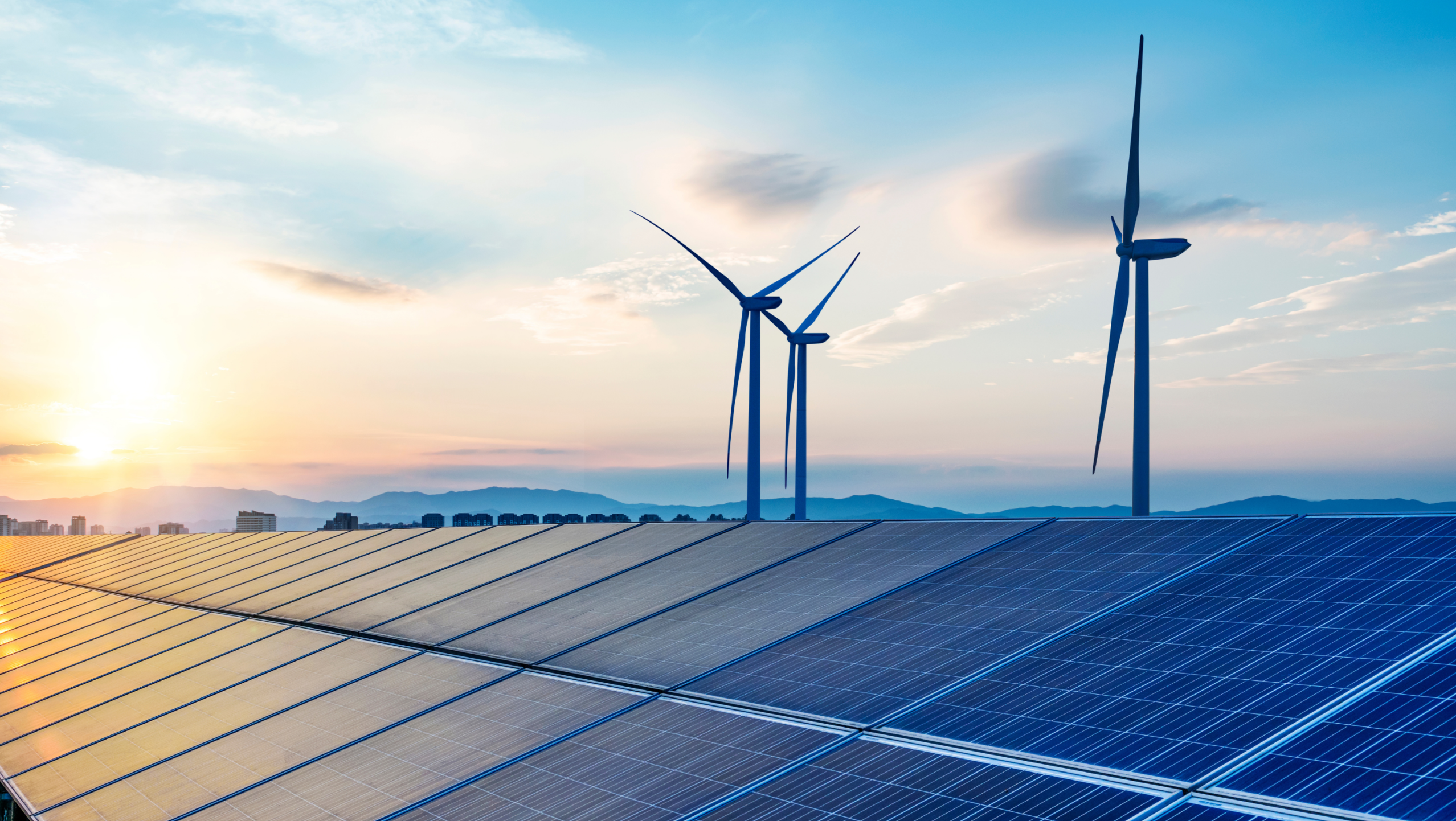
Rising energy insecurity is accelerating investment in renewable energy while helping to reduce energy costs.
In the UK, research by Carbon Brief found that wind and solar power have shielded the country from £1.7bn in gas imports since the war in Iran began. Rising energy insecurity has also fuelled a boom in solar installations. Government figures show that 27,000 solar systems were installed across the UK in March alone. That’s one every two minutes. As a result, the UK’s solar capacity has increased by 11.7% over the last year.
Across the EU, clean energy reduced fossil fuel imports by €51.4bn in 2025, while investment in renewables reached €90bn.
The energy transition reached a significant milestone in April, when wind and solar generated more electricity globally than gas for the first time.
Clean energy isn’t just about the climate; it’s also good economics and geopolitical strategy. By reducing dependence on imported fossil fuels, renewables can help countries withstand global energy shocks while helping to bring down household energy bills.
UK net zero industry boosts economy and jobs
While the UK wider economy struggles to deliver consistent growth, a new study has found that net zero industries contribute £105bn to the economy and support 1.1m jobs.
Each of these million green jobs, spanning from solar panel installers to low carbon materials manufacturing workers, creates nearly £120,000 in value for the UK economy. That is around 1.5 times more money than the average UK worker creates.
This industry is also widely spread across the country. It is estimated the net zero economy supports at least six billion-pound hotspots spread across the UK, from the Scottish central belt and North Wales to Cheshire and Yorkshire and the Humber.
In Scotland alone, the net-zero economy supports more than 105,000 jobs and contributes £10.2bn to the national economy.
Together, these stories show that clean technologies can both reduce energy costs and support economic growth, helping households and businesses weather periods of global energy instability.
Feeling uplifted? Visit our archive to read more positive climate stories.