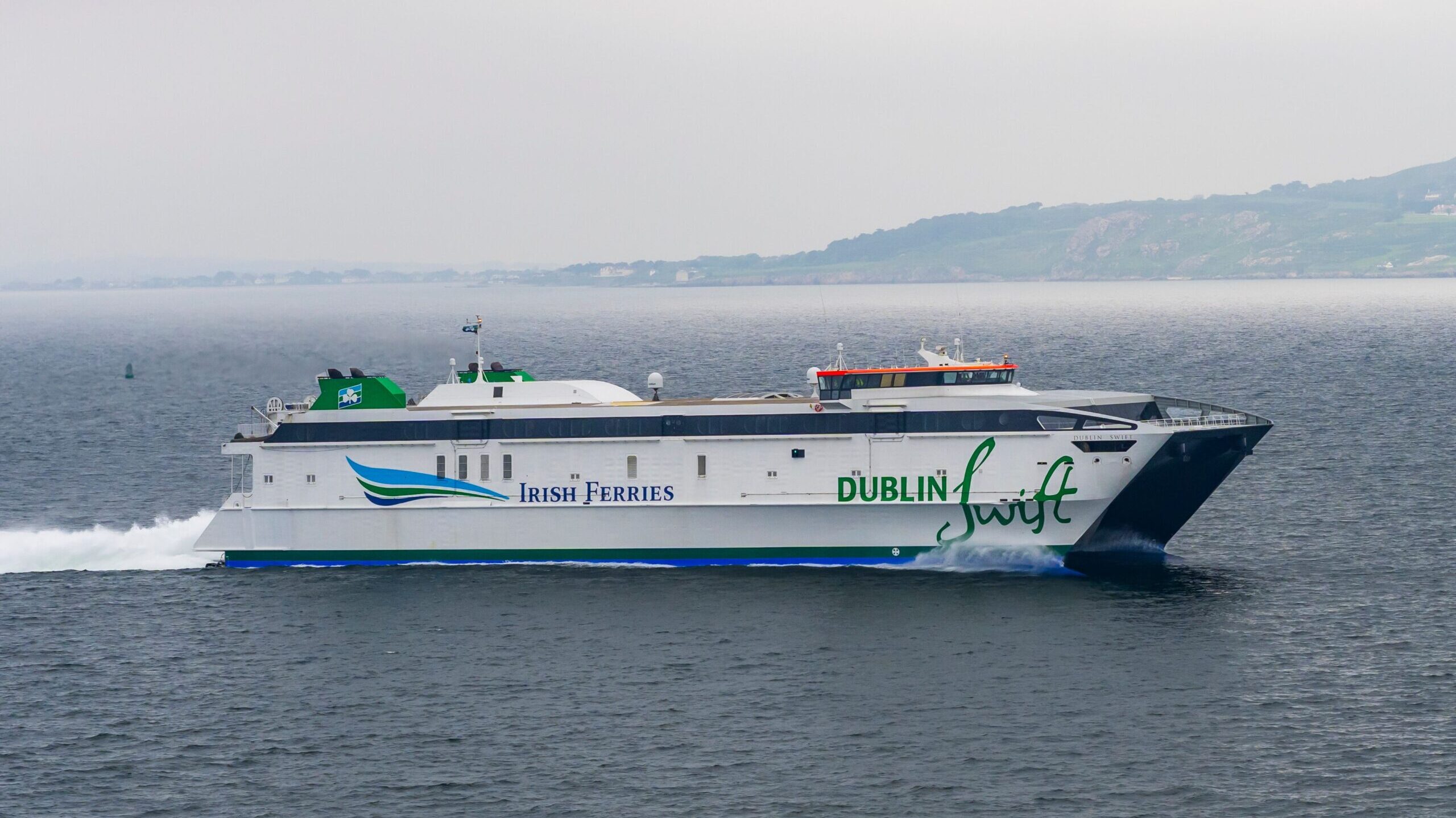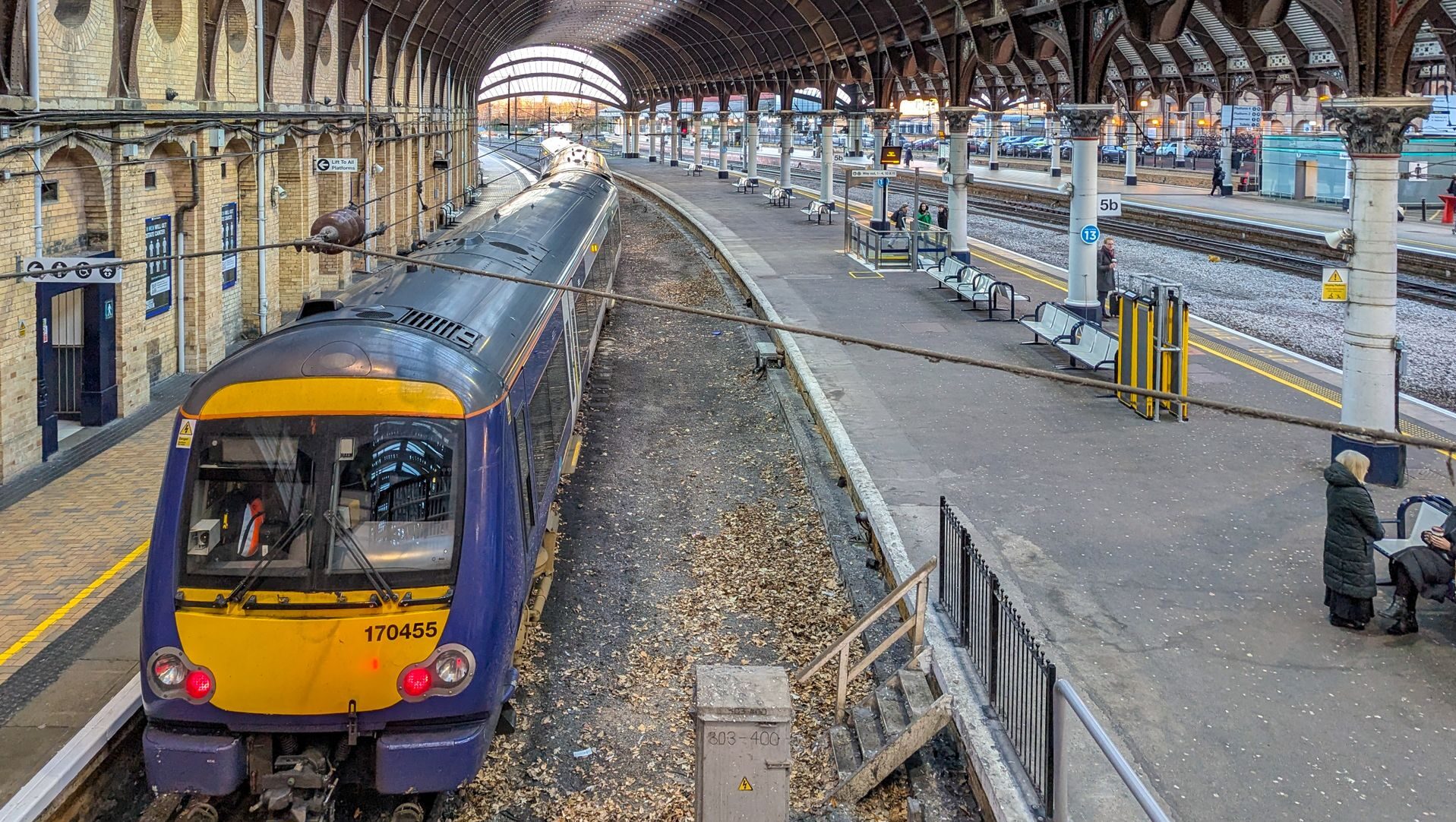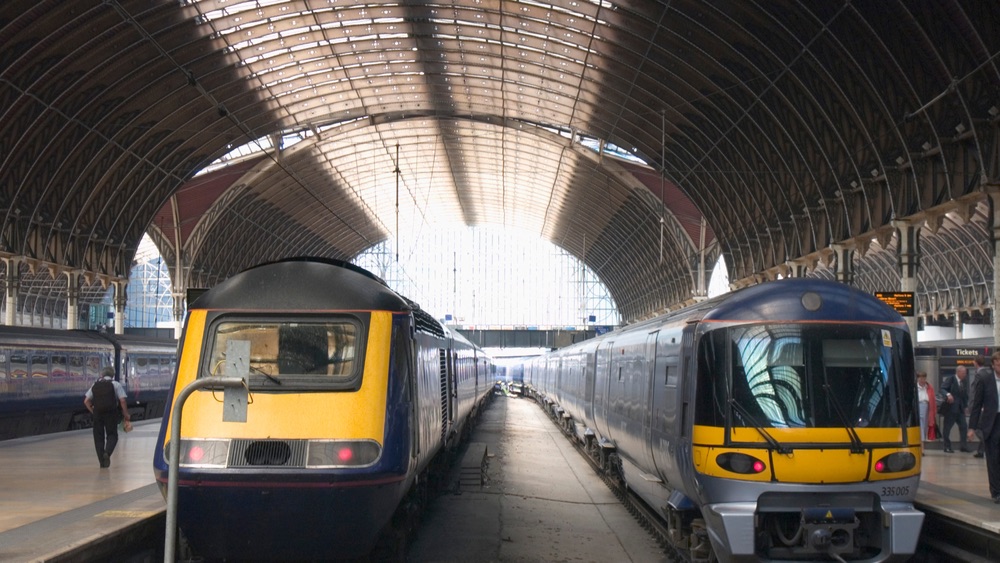

Sail and Rail London to Dublin tickets bring train and ferry travel between Britain and Ireland together in one fare, starting from as little as £40 or €47. That’s usually cheaper than flying, once baggage fees and airport transfers are factored in.
It’s much better for the climate, too.
A return flight between Dublin and London Gatwick produces about 108 kg of CO₂ per passenger in economy (per the ICAO Carbon Emissions Calculator from the UN body responsible for aviation). That’s roughly the same as five weeks of electricity use in a typical Irish home – and that’s before counting aviation’s non-CO₂ effects, such as contrail formation, which could double each flight’s climate impact.
So why don’t more people travel this way? New polling from Opportunity Green by Ireland Thinks shows that two in five people in Ireland would consider using the ferry and train to travel across the Irish Sea – but it’s not always straightforward.
For all its climate and cost benefits, real obstacles stand in the way. Drawing on our own research and recent Ireland Thinks polling, we’ve set out the five key things the UK and Irish governments and travel operators could do to make Sail and Rail the obvious choice for travel.
1. Tell people it exists
You can’t choose an option you’ve never heard of. Recent polling found that two in five adults in Ireland would consider swapping the plane for rail and sail to Britain – yet one in seven have never even heard of the combined ticket. The people who do use it often stumbled on it by chance: a tip from a friend, a blog post, or a lot of Googling.
A properly-funded, public awareness campaign, coordinated by governments and operators, would help raise awareness and show people their real travel options.
2. Line up the train, ferry and bus timetables
Currently, the train and the ferry run on separate schedules, operated by separate companies, such as Transport for Wales and Avanti West Coast on the rail side, and Stena Line and Irish Ferries on the ferry crossing, with no duty to match up. A late train can mean a missed ferry, and vice versa as trains and ferries aren’t held for delayed connections.
Meghan Fitzpatrick is from Belfast and works in London. She frequently travels by Sail and Rail, and says it’s her go-to way of getting home to Ireland.
“I can get tickets from London to Belfast for as little as £40 for the whole journey with a railcard, which is amazing! In saying that, there’s definitely lots that could be improved – for example, I wish the train and ferry companies worked together more. On a few occasions, a delay on the train has meant missing my ferry connection, and vice versa. If they teamed up and connected their timetables, it would be so much better.”
As part of this campaign, we’ve sent a joint letter to the UK and Irish governments co-signed by 16 organisations, asking for them to come together, alongside the train and ferry operators to fix this together. Changes like building the timetables around each other would save foot and bike passengers a lot of time and make travelling in this way a lot more appealing.
3. Make it easier to book
Booking a flight can take a matter of minutes on your phone, whereas booking your Sail and Rail ticket can take considerably longer.
Part of the problem is visibility – the combined ticket can be hard to find online and when people do find it, the booking system doesn’t always work properly. Our research found that major booking platforms, including Trainline, sometimes show combinations of train and ferry times that can’t physically be made.
Lucy O’Meara, who lives in South East England and regularly travels by Sail & Rail to Rosslare, says:
“It’s not easy to find information about this way of travelling. Rail and Sail tickets are fantastically good value – but very few people know about them.”
Lucy says that she doesn’t book online, because it hasn’t worked for her in the past. Instead, she calls the ferry operators directly to plan the journey and buy tickets with them on the phone.
“That usually works fine,” she explains. “But on one occasion when I did that, the ferry operator employee was quoted an itinerary by the Trainline platform that wasn’t going to be physically possible! It was only my own experience of doing the journey before that meant I knew this. For people who don’t have experience of doing this journey, there are just too many barriers – and that’s assuming they’ve managed to find out about the combined ticket in the first place!”
That’s a lot of effort just to make the greener choice – and every extra hurdle nudges people back towards flying.
4. Be clear on passenger rights
If a delayed train or ferry makes you miss your connection, there’s no clear answer for who is responsible for how you can receive compensation.
There appears to be genuine confusion, and the train and ferry operators aren’t always clear on who is liable and who takes responsibility. All of this adds to the general uncertainty of Sail & Rail travel for passengers, and it’s enough to put people off making the trip at all.
The EU’s Passenger Package, published in May this year, offers a step forward for rail passengers’ rights. From 2027, it proposes automatic rerouting when a delay causes a missed connection, with meals and accommodation covered if you miss the last service of the day. But those stronger rights don’t currently cover multi-modal travel, such as ferry and train. This is something we’ll be bringing to our conversations with train and ferry operators and the British and Irish governments.
As Ireland takes over the EU Council Presidency this month, it is well placed to push for that gap to be closed. The UK, outside these reforms altogether, will need to bring in equivalent rights of its own.
5. Put foot (and cycle) passengers first, not last
When it comes to getting off the ferry, the current practice is for foot passengers to come off last. They must wait in the café area until they’re given the signal that all the cars are off the ship.
Our research found that passengers can be left waiting for up to 45 minutes after arriving in the port. When you’ve got a train or bus to catch, that can be the difference between making the last connection and missing it.
Letting foot passengers off first, or alongside the cars – together with clear signage and well-marked walkways from ferry to passport control – is a small change that would make a real difference.
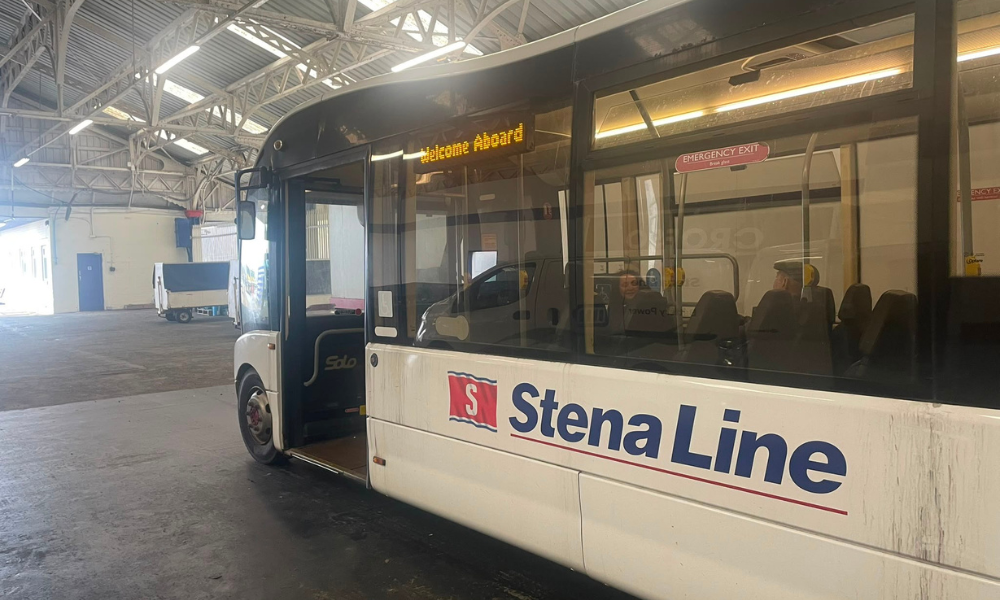
Then there’s the connection into the city. At Dublin Port there’s no railway, so the link to the centre is by bus, which runs a reduced service in the evenings and at weekends – exactly when leisure travellers are most likely to be crossing. Improving foot passenger access at ferry ports, and guaranteeing a frequent, reliable, well-signposted link to onward travel, would properly support this first and final leg of the trip.
What we’re asking of the British and Irish governments
Many of the ways to cut emissions rely on technology that still needs to be developed, or big upfront costs. Sail and Rail is different: it’s a low-carbon way to travel between Ireland and Britain that already exists.
Because the route crosses both jurisdictions, neither government can do it alone. That’s why our open letter, co-signed by 16 organisations, asks the UK and Irish governments to work together to:
- Commit to joint action to improve the Sail and Rail offer on the UK–Ireland corridor.
- Convene a joint working group with train and ferry operators, booking platforms and consumer representatives, to fix timetable coordination and booking accuracy.
- Bring forward clear passenger rights for combined ferry-and-train journeys, so travellers know who is responsible when something goes wrong.
- Fund a coordinated public awareness campaign to give Sail and Rail the profile it deserves as a credible, comfortable and affordable alternative to flying.
- Engage with the EU’s Passenger Package and legislate in the UK to match Europe’s emerging multimodal passenger rights, so this corridor keeps pace with improving standards.
The demand is already there. What’s missing is the coordination to meet it. This requires political will, and a shared decision that the lower-carbon option should be the easier one to choose.
Read the open letter to the UK and Irish governments, signed by 16 environmental, transport and social justice organisations. Follow us on LinkedIn and Bluesky to keep up to date with the campaign.