
Decarbonising steel production is essential to meeting global and national climate commitments.
The iron and steel industry contributes more than 8% of global greenhouse gas (GHG) emissions and approximately 11% of global CO₂ emissions due to its high reliance on coal, making it the most carbon-intensive heavy industry. The coal-based blast furnace–basic oxygen furnace (BF-BOF) steelmaking method generates around 88% of the industry’s direct emissions.
The automotive industry’s role in steel decarbonisation
This highly carbon-intensive steel is used everywhere around us, including in the cars we drive. Steel constitutes between 50–65% of the total weight of an average passenger vehicle. As a major global end-user of coal-based steel, the automotive industry has an important role to play in accelerating the demand for green steel.
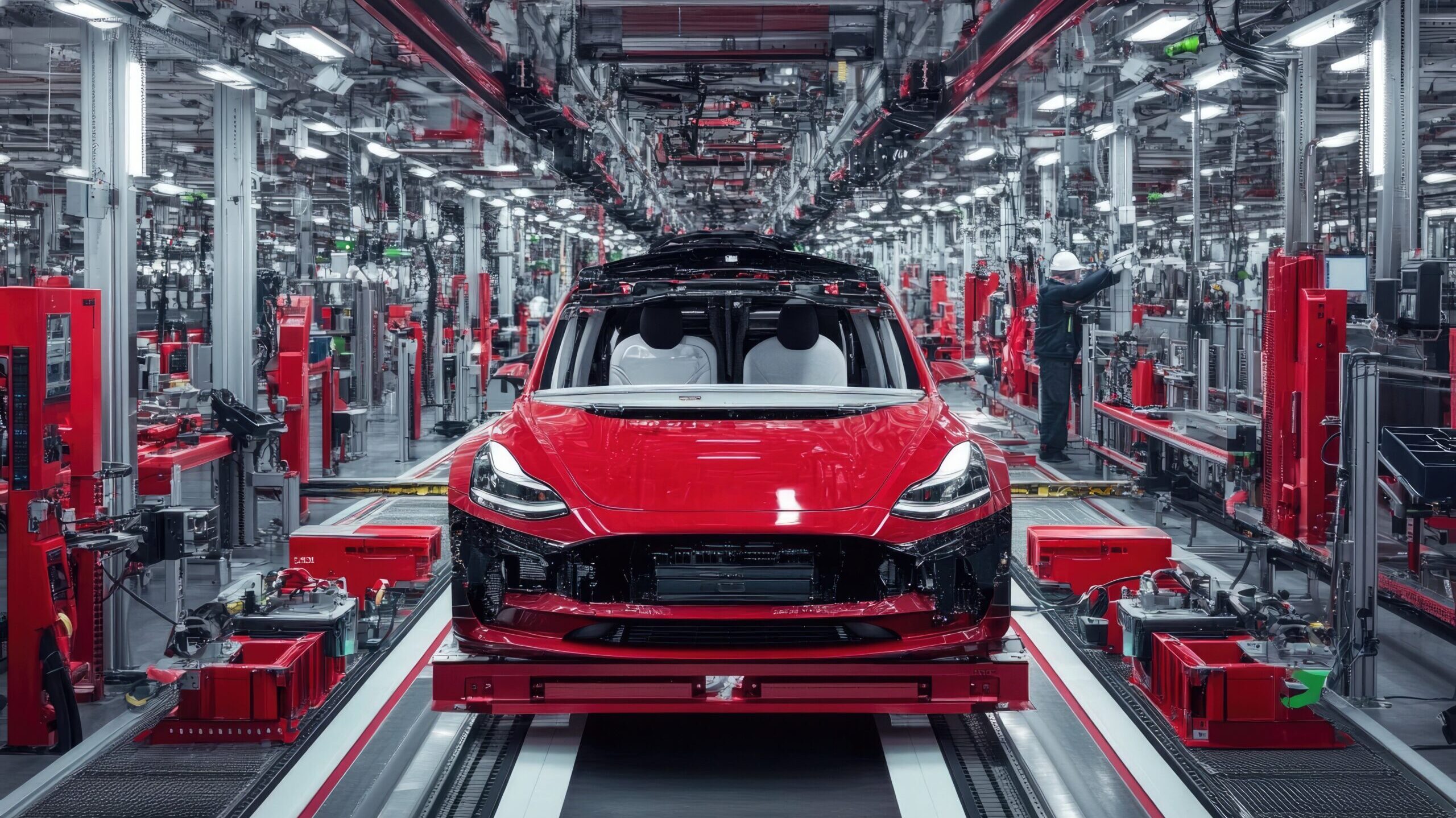
With electrification expanding within the automotive industry, emissions from vehicle production account for a growing proportion of its overall climate footprint. Around 60% of the total life cycle emissions of an electric car occur during production, with steel responsible for 30–40% of an average vehicle’s material emissions.
Transitioning to low-carbon steel is therefore a significant opportunity for the automotive industry to reduce its Scope 3 emissions, with a relatively modest impact on the final cost of a car. Transport & Environment estimated that using 40% green steel could add €57–€69 to the price of an electric vehicle in 2030.
Greater green steel uptake could also create the large, reliable and long-term demand needed to de-risk investments in alternative fossil-free steelmaking technologies, such as hydrogen-based direct reduced iron (H2-DRI) projects.
Despite this potential, progress across the automotive industry remains slow. An analysis of major automakers selling in Europe and North America found that automakers’ commitments to procure fossil-free steel by 2030 cover only 2% of their global steel use. It’s time for automakers to take ambitious, measurable and concrete steps to decarbonise their steel supply chain.
How can law accelerate the uptake of green steel?
Existing and emerging legal and regulatory frameworks can incentivise green steel uptake while creating risks for automakers that fail to address emissions across their supply chains.
- Green steel standards and definitions: establishing harmonised, credible and internationally comparable standards for low-emissions steel, rather than relying in fragmented, industry-led criteria, could accelerate its uptake. Common standards would give steel buyers greater transparency and clarity when setting procurement targets and help them distinguish genuine emissions reductions form less ambitious claims, strengthening demand for low-emission steel. Neither the EU nor the UK have, at present, established a mandatory legal definition of green steel. In the EU, the European Commission has recently indicated that it intends to develop a single definition of low-carbon steel under the Ecodesign for Sustainable Products Regulation (ESPR) in 2027.
- Climate-washing and greenwashing litigation: automakers may face litigation or regulatory scrutiny if their climate efforts and environmental claims do not reflect their actions to decarbonise their supply chains. For example, ambitious corporate climate commitments may be subject to scrutiny if they are not backed by credible plans to reduce upstream emissions. The same may apply where vehicles are marketed as “sustainable” without robust evidence that accounts for their full life cycle. These types of litigation may shape corporate behaviour towards more climate-aligned measures due to the reputational risk they create.
- Climate disclosure and supply chain due diligence reporting: such reports, by providing information on a business’s climate performance and resilience, as well as its procedures to identify, prevent, mitigate, and account for ESG risks across its value chain, are crucial in helping external stakeholders make better-informed decisions. Although these reports may not drive a shift to green steel procurement by themselves, they can inform investment, financing and purchasing decisions, creating market pressure on companies to decarbonise their operations and upstream supply chains.
Turning ambition into action
The automotive industry is uniquely positioned to help drive decarbonisation of the steel sector due to its high demand for coal-based steel. Automakers must take effective and proactive steps to address and reduce emission generated upstream in their supply chain, particularly those associated with the steel used to produce cars.
Legal and regulatory frameworks can reinforce this shift by establishing interoperable green steel standards, enabling stakeholders to exert market pressure through disclosure and due diligence frameworks, and providing frameworks through which corporations can be held accountable for misleading climate and environmental claims.
The automotive industry must back its climate commitments with concrete actions, using its purchasing power to drive the steel sector towards low-emissions steel production.