What is climate justice?
Climate justice is a substantive issue with a simple premise: those who experience the first and worst impacts of climate change have often done little or nothing to cause it.
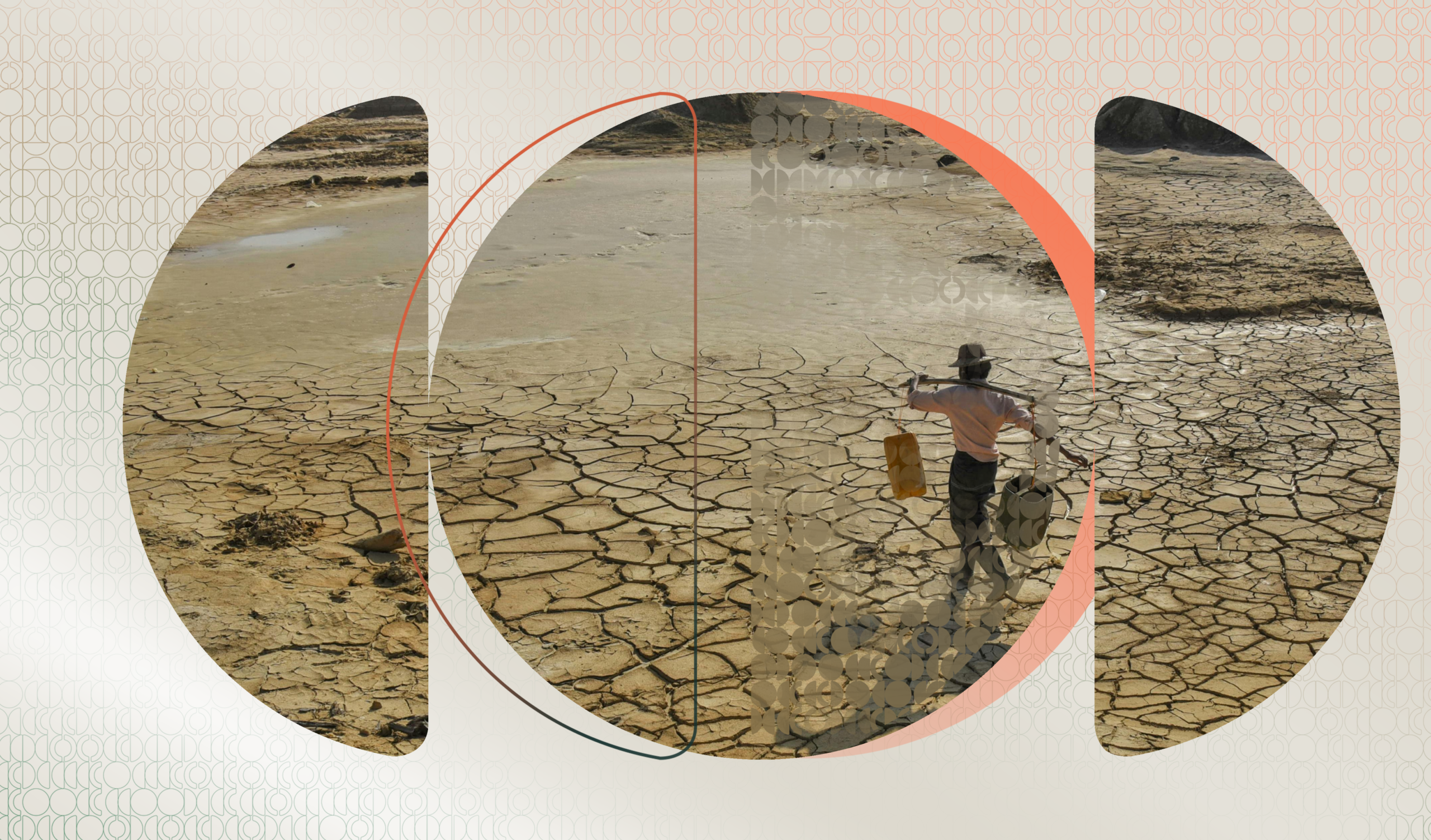
Climate vulnerable communities – particularly in low-income countries, small island states and marginalised regions – are all too often at the thin edge of the wedge in terms of climate harm. These communities may face rising seas, extreme heat, floods and food insecurity, and even displacement. And yet, they have contributed the least to causing global greenhouse gas emissions.
This injustice is central to the climate movement. Climate justice as a principle recognises this imbalance and argues that climate action must account for historic responsibility, unequal capacity and disproportionate harm. It reframes climate change not only as an environmental crisis, but as a human rights and social justice crisis.
Climate justice vs climate action: what’s the difference?
Climate justice and climate action are closely linked, but they are not the same.
Climate action refers to interventions that address climate change, such as building renewable energy, reducing consumption or improving sustainable transport. By contrast, climate justice is a lens through which we can assess whether those actions are fair, equitable and inclusive.
Where climate action questions only how we can reduce emissions, climate justice goes a step further. It takes a human-centred approach and asks: Who bears the costs? Who benefits? And crucially, who is protected – and who is left behind?
Why does climate justice matter?
Climate change does not affect all people or countries equally. Communities with the fewest resources are often the least able to adapt to climate impacts, recover from disasters or influence global decision-making. Without a justice lens, climate policies risk reinforcing existing these inequalities, or creating new ones.
Not all climate action is just. For example, certain policies may be successful in reducing emissions but direct finance to the most wealthy, while exposing vulnerable communities to climate risks or economic disruption. In some cases, climate solutions themselves – such as land-intensive energy projects or badly designed transition policies – can be harmful if justice has not been properly considered.
This is why climate justice matters. It challenges policymakers to consider not just the destination – such as net-zero emissions – but the pathway taken to get there.
The principles of climate justice
While climate justice addresses complex global challenges, its core principles are relatively straightforward.
Equity and fairness
Equity lies at the heart of climate justice. To be fair, we must recognise that communities have contributed unequally to the climate crisis and have vastly different capacities to respond.
This means:
- Designing climate policies that avoid one-size-fits-all solutions.
- Ensuring those policies don’t impose the greatest burdens on those least responsible for emissions or least able to bear the costs.
- Acknowledging historic harms and ensuring that adaptation, mitigation and compensation measures reflect real-world inequalities.
Responsibility of high-emitting countries
Central to climate justice is the idea that countries that have historically emitted the most greenhouse gases (and often continue to do so) should take more responsibility to act.
This idea is reflected in international climate law through the principle of common but differentiated responsibilities (CBDR). CBDR recognises that addressing climate change is a shared global duty, but also emphasises that responsibility should not be evenly distributed. High-emitting, developed countries are expected to reduce emissions faster. They should also provide financial and technological support to developing nations that have lower capacity to do so.
While we offer its interpretation at face value, it is worth noting that the interpretation of States’ differing responsibilities under CBDR is widely contested and politicised, with different States often advocating for different interpretations depending on their own economic and political priorities. At its worst, it may risk being deployed as means through which to justify climate inaction.
Protection of vulnerable communities
Climate justice advocates for the needs of communities that face disproportionate climate risks, including low-income populations, Indigenous Peoples and Small Island Developing States (SIDs), to be protected.
This could involve investing in resilience and adaptation, or ensuring communities have access to climate finance. It is also about recognising when climate harms cannot be fully prevented, and extending support beyond prevention to compensation and repair.
Climate justice and human rights
Viewing climate change through a human lens allows us to recognise how fundamental rights – including the rights to life, health, food, water, housing and culture – are threatened by climate harms.
In a climate justice approach, protecting these rights also means treating people with dignity, so that no community carries the worst impacts of climate change while others benefit from economic growth.
How is climate justice addressed globally?
The Paris Agreement
The Paris Agreement is the foundation of global climate governance, which was adopted in 2015 at COP21 in Paris. A legally-binding international treaty, it commits countries to limit global temperature rise to well below 2°C above pre-industrial levels, and to pursue efforts to limit warming to 1.5°C as a primary target, in line with scientific consensus.
This is an economy-wide obligation which translates into a legal obligation for countries to reduce emissions from aviation and shipping. This means that countries cannot simply rely on, or defer to, global efforts at the IMO and ICAO to reduce emissions but rather the legal obligation falls on countries individually to ensure emission reductions are consistent with 1.5°C and best available science.
Beyond temperature targets, the Paris Agreement embeds climate justice principles and recognises the need for equity. It acknowledges that there is greater burden of responsibility on historic emitters, and that developed countries should take the lead in emissions reductions and provide financial support to developing countries for mitigation and adaptation.
The Paris Agreement has been a critical lever in global climate justice as it transforms promises into legal obligations, insisting on greater accountability and creating a shared global framework for action.
- Read our submissions to the International Court of Justice and the International Tribunal of the Law of the Sea which highlight the need for international aviation and shipping to align to Paris Agreement temperature targets.
Mitigation, adaptation and loss and damage
Climate action is often described through three interconnected pillars:
- Mitigation focuses on preventing future climate change by reducing emissions.
- Adaptation addresses the climate impacts that are already locked in and looks at how we can adapt to these, such as changing infrastructure design or protecting communities from floods and heat.
- Loss and damage recognises that some climate harms cannot be prevented or adapted to and therefore require compensation.
Loss and damage has been one of the most hotly contested issues in climate negotiations, but it was formally recognised when a dedicated Loss and Damage Fund was established at COP27. This fund acknowledges that communities are already experiencing irreversible losses – from destroyed homes and livelihoods to impacts on mental health – and that people must be compensated for these losses.
Climate finance and support for developing countries
Climate finance is a central part of delivering climate justice and includes a wide range of funding sources and mechanisms designed to support mitigation, adaptation and loss and damage.
Examples of climate finance include:
- Multilateral finance: This involves countries joining forces to invest large sums into pools that are distributed on the basis of need, for example through institutions like the Green Climate Fund and Global Environment Facility.
- Bilateral finance: When countries provide funding directly to other countries.
- Philanthropic funding: Philanthropic foundations, for example ClimateWorks Foundation or the Rockefeller Foundation provide funding that is primarily aimed at supporting resilience, adaptation and community-led initiatives.
- Private sector finance: This can play a role where investments generate returns, such as in energy infrastructure. While the private sector has a role to play, it’s important to avoid models that commodify risk or place financial burdens on those least able to pay.
What role do shipping and aviation play in climate justice?
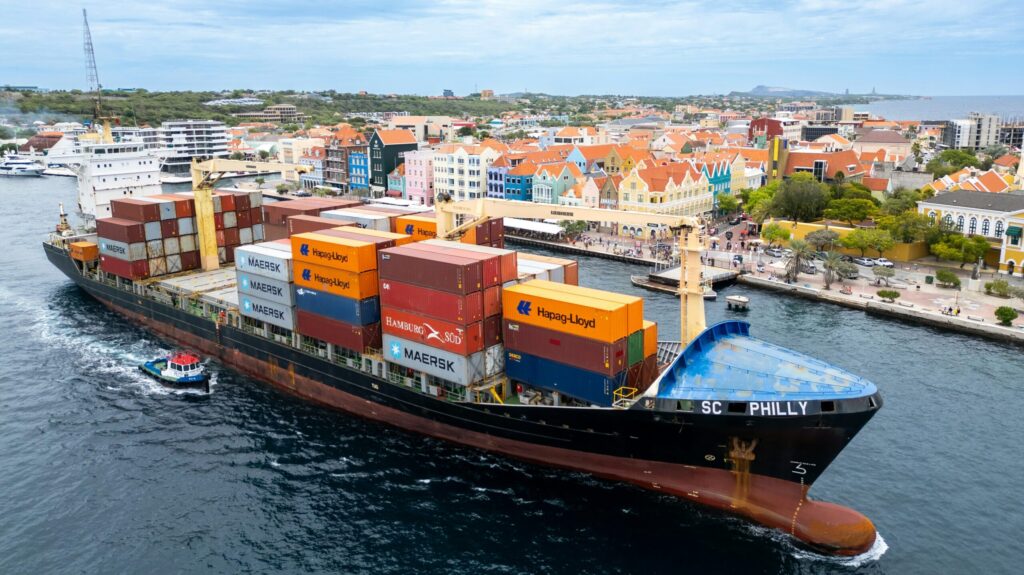
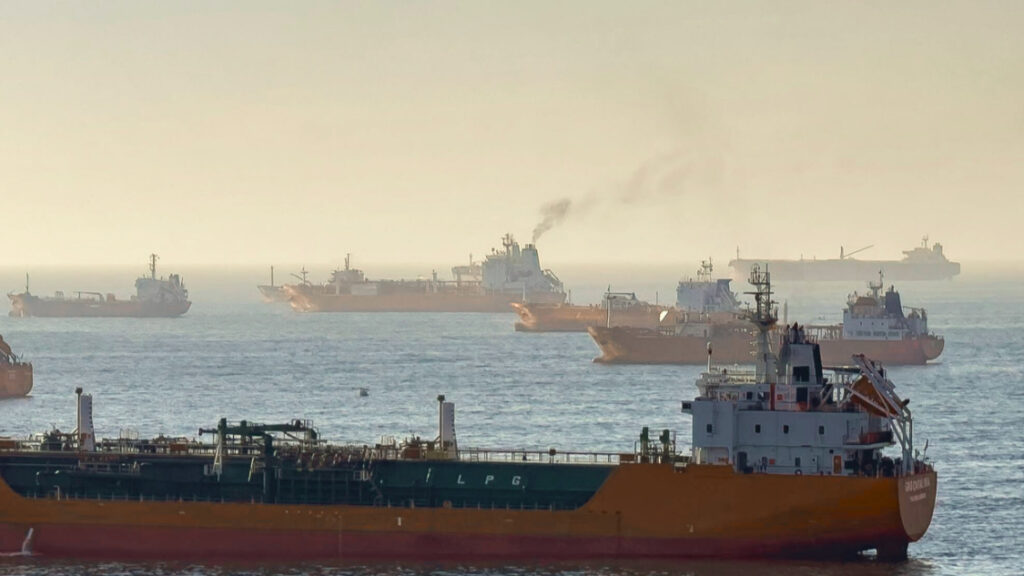
Shipping and aviation play a significant role in climate justice because of their growing contribution to global emissions. Together, they currently account for around 6% of global emissions.
While other sectors are reducing their climate impact more quickly – such as road transport and energy generation in many developed countries – shipping and aviation are falling behind. As emissions fall elsewhere, the share that these sectors make up keeps growing.
Aviation highlights this injustice most clearly. Today, aviation accounts for around 3% of global CO2 emissions and much more once you add non-CO2 emissions, but without stronger action, this could rise to as much as 20% by 2050. Yet flying remains a luxury: around 80% of the world’s population has never flown. Meanwhile, a small, wealthy minority flies frequently and does not even pay for the climate impact they cause.
This creates a clear equity gap. Communities that contribute least to aviation emissions often experience the worst climate impacts, while the sector itself remains undertaxed, slow to decarbonise, and largely unaccountable for the harm it causes.
The role of international courts and legal frameworks
International law increasingly plays a role in advancing climate justice. Treaties such as the Paris Agreement and the UN Framework Convention on Climate Change (UNFCCC), as well as international customary and human rights law frameworks, have established legal obligations for states to address climate change.
In recent years, these obligations have been reinforced through advisory opinions and judgments of international courts and tribunals, for example the International Tribunal of the Law of the Sea and the International Court of Justice advisory opinions.
While clarifying that all states have binding legal duties to prevent climate harm and protect human rights from the impacts of climate change, these developments have crucially strengthened the legal basis to demand climate justice. The courts were clear that historic and major polluters carry an amplified responsibility to align their national policies with 1.5ºC. These countries must also support climate vulnerable countries through means such as technical capacity building and financial resources to do the same.
Climate litigation is also expanding at national and international levels, as communities and organisations seek accountability for climate inaction by states and corporations. Court rulings have the ability to effect broader climate action in the political and policy spheres. A diverse range of cases are now challenging inadequate mitigation and adaptation measures, the failure to protect human rights from the climate crisis, and corporate responsibility.
How can climate justice be achieved in practice?
Achieving climate justice requires embedding equity into every stage of climate policymaking. When designing policies – whether to decarbonise shipping, transform energy systems or build climate resilience – decision-makers must question if their policies are fair and equitable, and whether the burden of the transition is falling unequally.
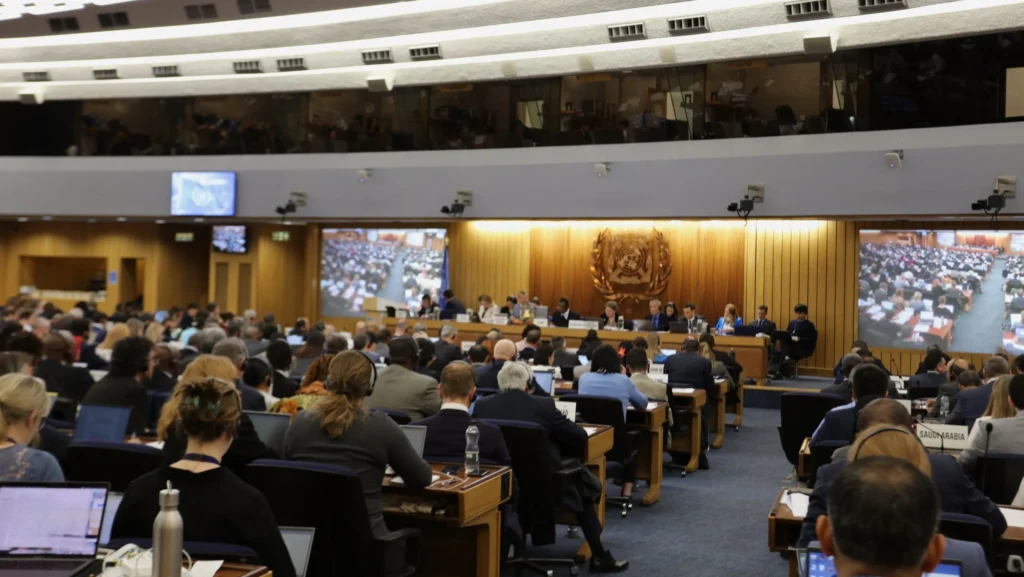
Central to this is ensuring that all voices are heard in international climate negotiations – not just those that have the resources and power to speak loudest. Climate vulnerable countries are often under-resourced, and boosting their capacity to contribute in multilateral spaces is a key component of fair decision making.
Community-led adaptation and resilience efforts – where local knowledge and participation are at its core – are particularly important in achieving climate justice. However, it’s also important to recognise limits to adaptation, such as permanent land loss or forced migration, and to compensate through loss and damage in these cases.
Learn more about our approach to achieving climate justice.