
Download documents
Download briefingBackground
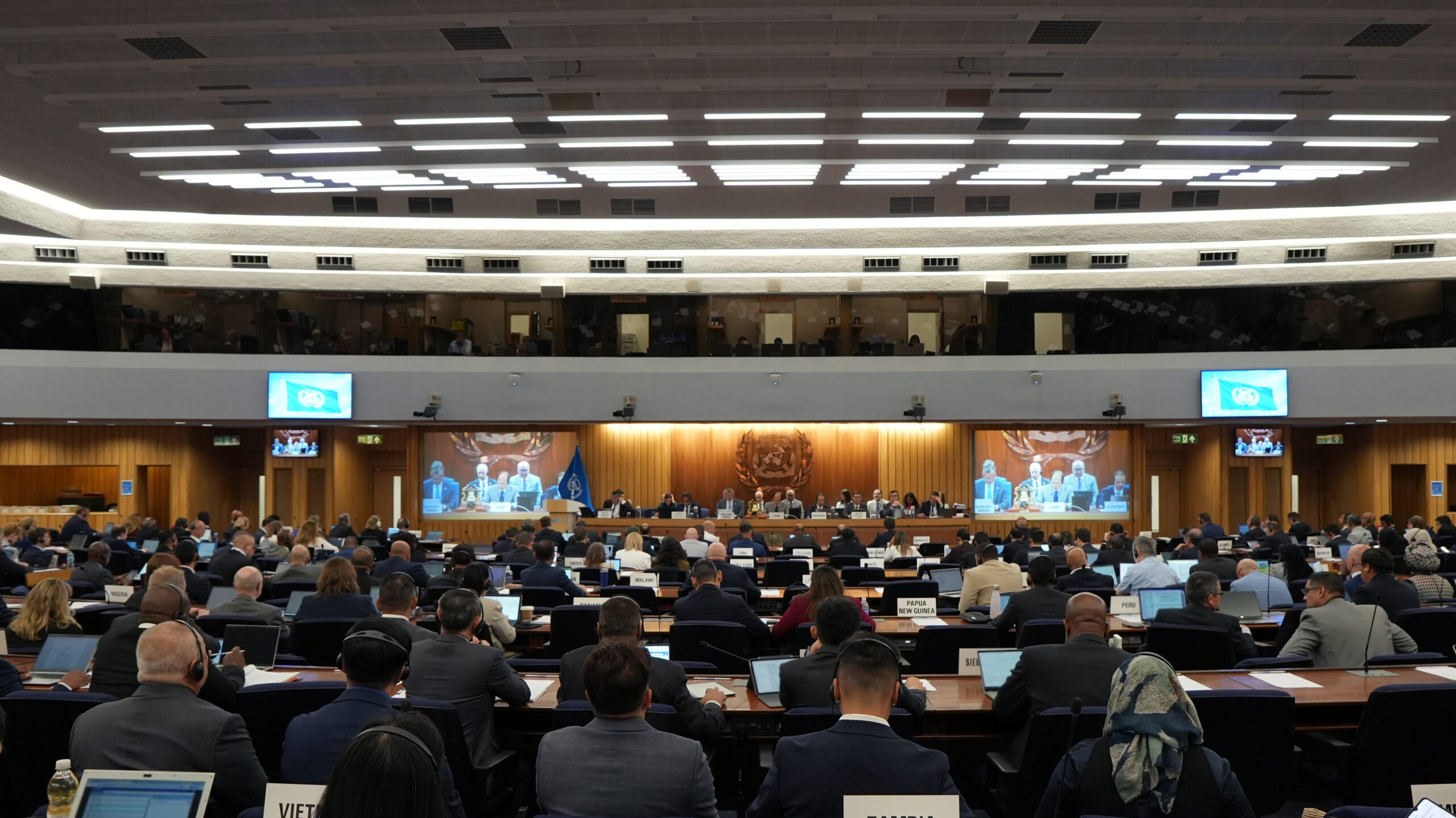
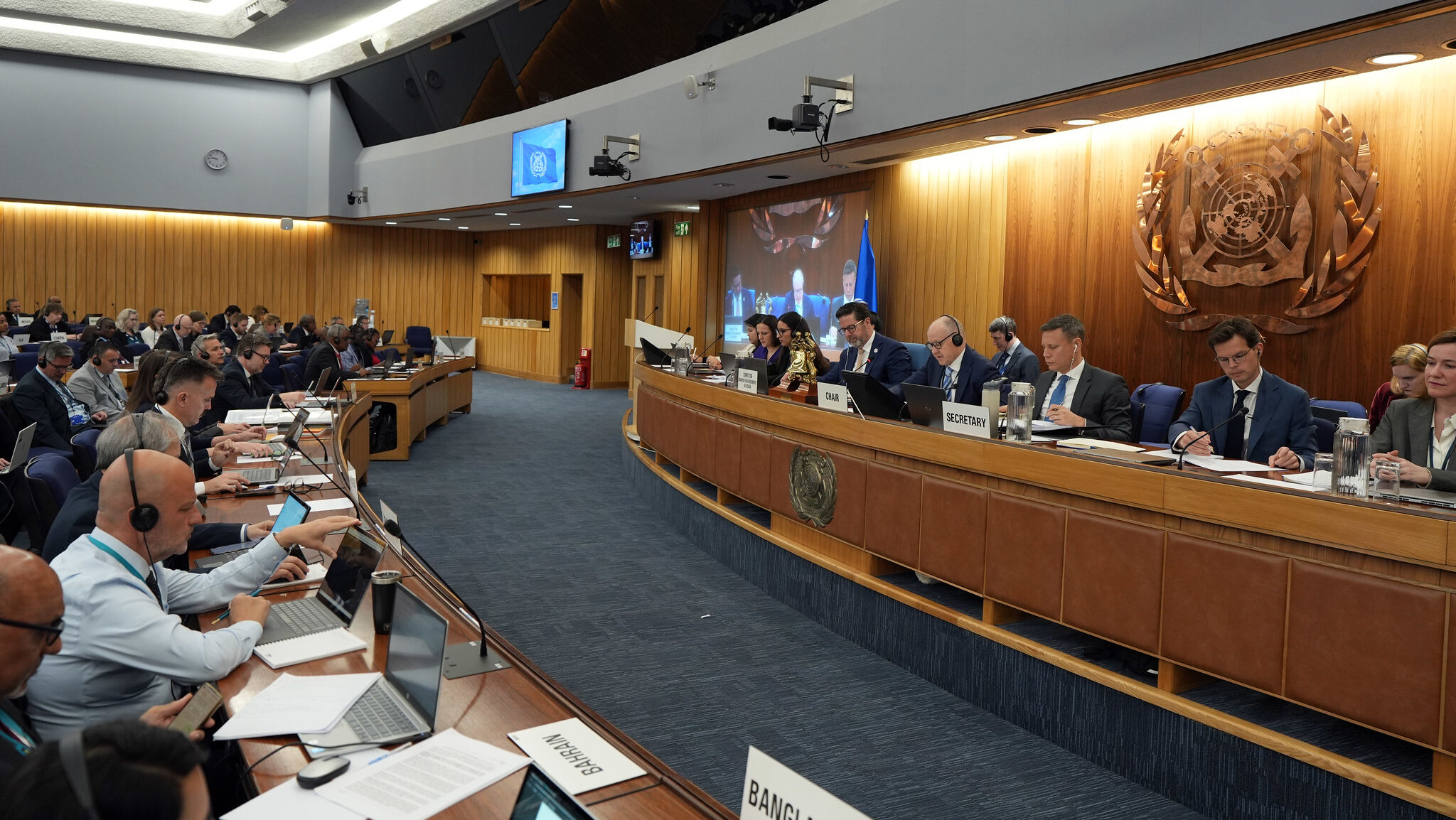
Negotiations are underway at the IMO, advancing on the details that will shape the implementation of the Net-Zero Framework (NZF) once it is accepted. One of these details is how Zero- and Near-Zero fuels (ZNZs) and technologies will be rewarded under the Framework. This decision will influence how successful, cost-effective, and just and equitable the maritime energy transition can be.
The two options being considered at the IMO for ZNZ reward mechanisms are: 1) a reverse auction mechanism, and 2) a fixed price defined by the IMO, discounted in the likely case of demand exceeding available funds.
This briefing collates research and case studies illustrating that a reverse auction mechanism is better suited to support the implementation of the NZF in achieving a just and equitable transition of the global shipping industry.
The reverse auction mechanism provides certainty on the price and timeline of ZNZ rewards, creating a more supportive environment for investment than a fixed-price mechanism with discounting. Especially when operated in combination with differentiation by ZNZ type, reverse auctions have been shown to balance support for current least-cost ZNZ options with support for those which are most long-term scalable.
The briefing cites case studies of renewable energy auctions from South Africa and the UK to demonstrate their effectiveness in both cost and outcome across regions and levels of development.
- South Africa’s reverse auctions between 2011 and 2015 enabled $20.5bn of investment in renewable energy and achieved record-low electricity prices which were far below the price of building new coal generation capacity.
- The UK’s recent offshore wind auction unlocked £22bn in private investment in renewable energy and achieved electricity prices 40% below that of building new gas generation capacity.
Our recommendations
Given the advantages of a reverse auction mechanism in supporting an effective, just and equitable energy transition for global shipping, Opportunity Green invites policymakers to consider a reverse auction mechanism for supporting the implementation of the NZF.