
Download documents
Download submissionBackground
Climate finance is critical to protecting communities from climate harm and enabling a just and equitable transition. International law increasingly recognises that States have legal obligations to reduce emissions and mobilise finance to prevent harm to people and the environment.
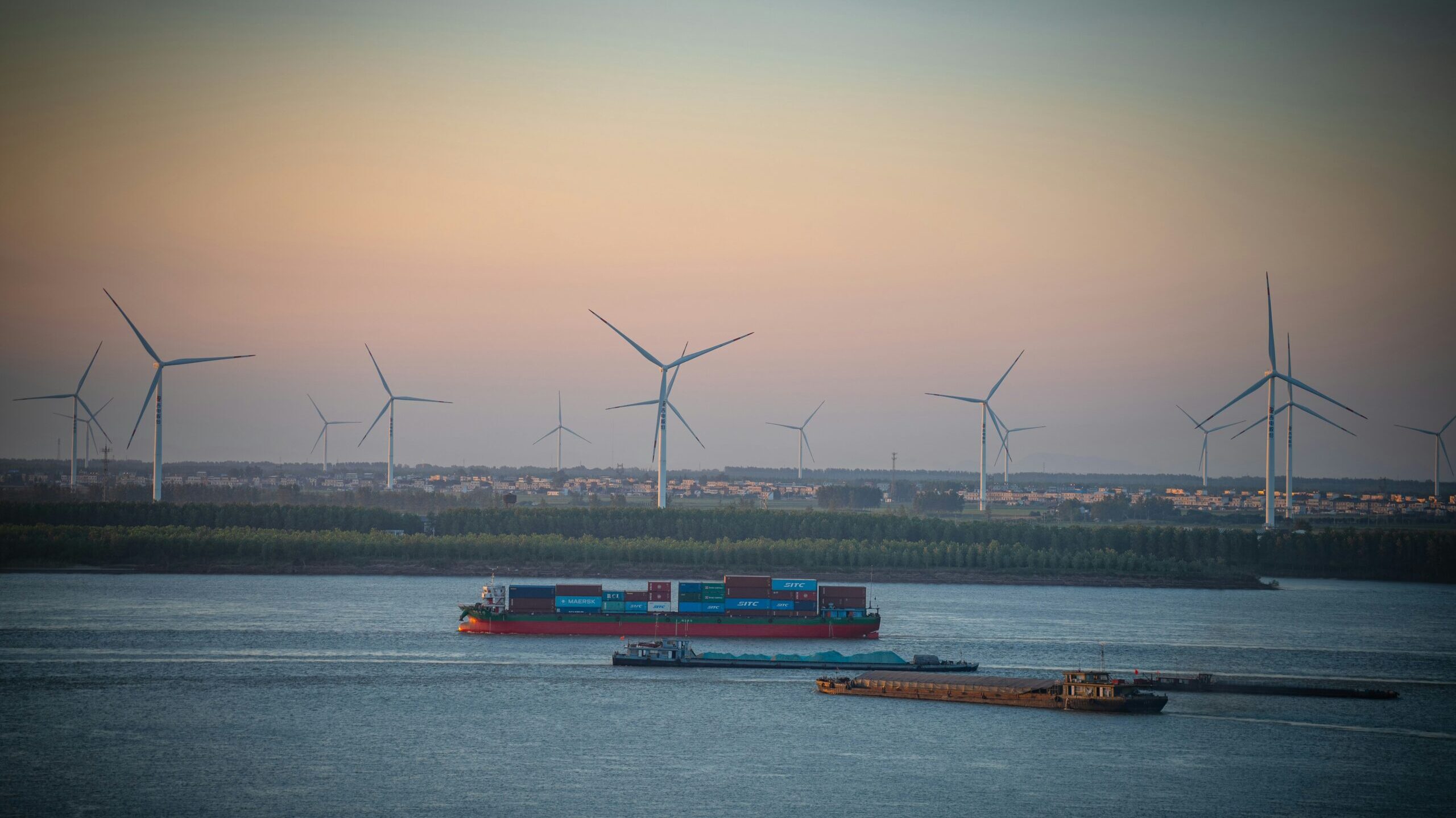
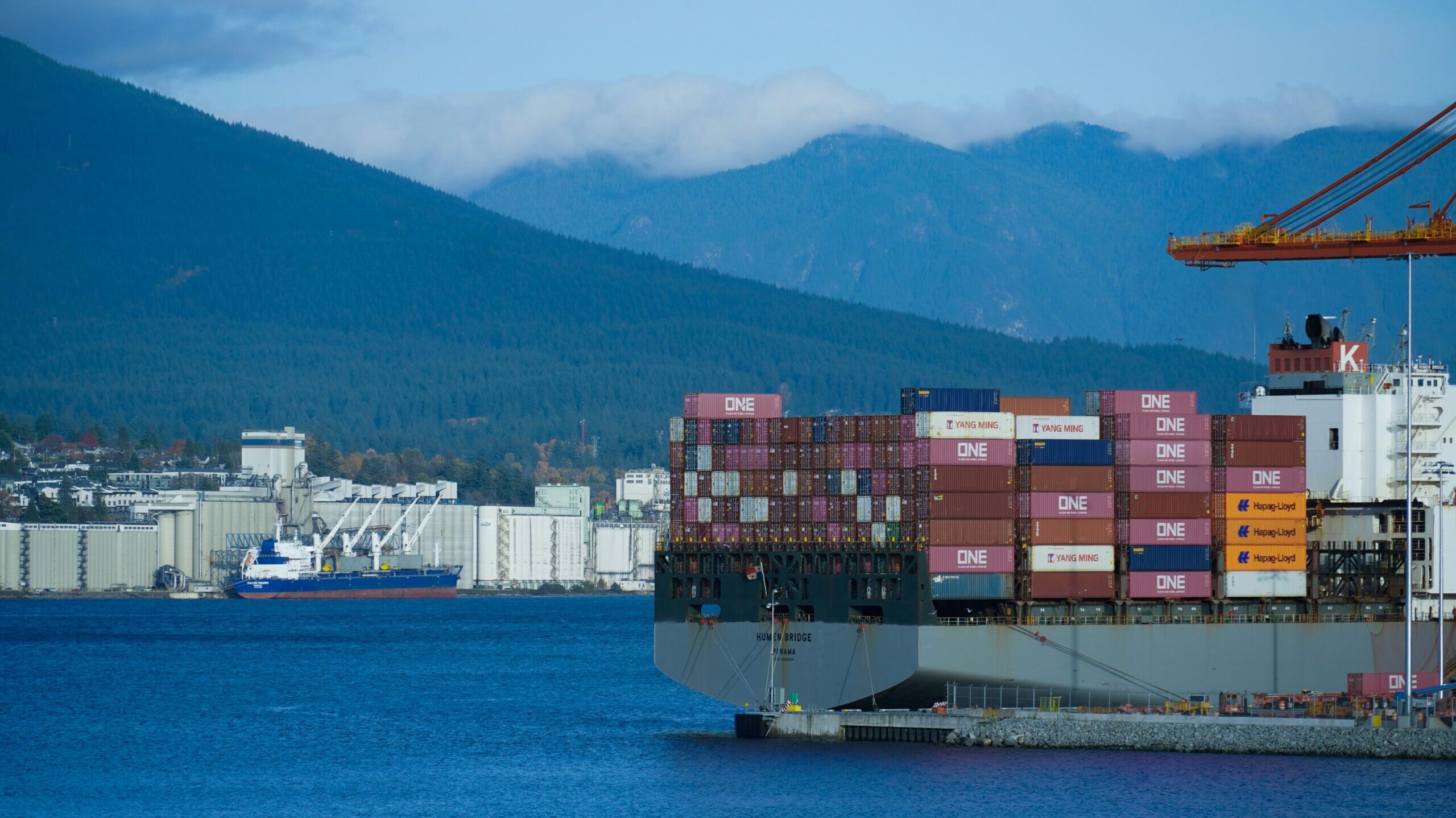
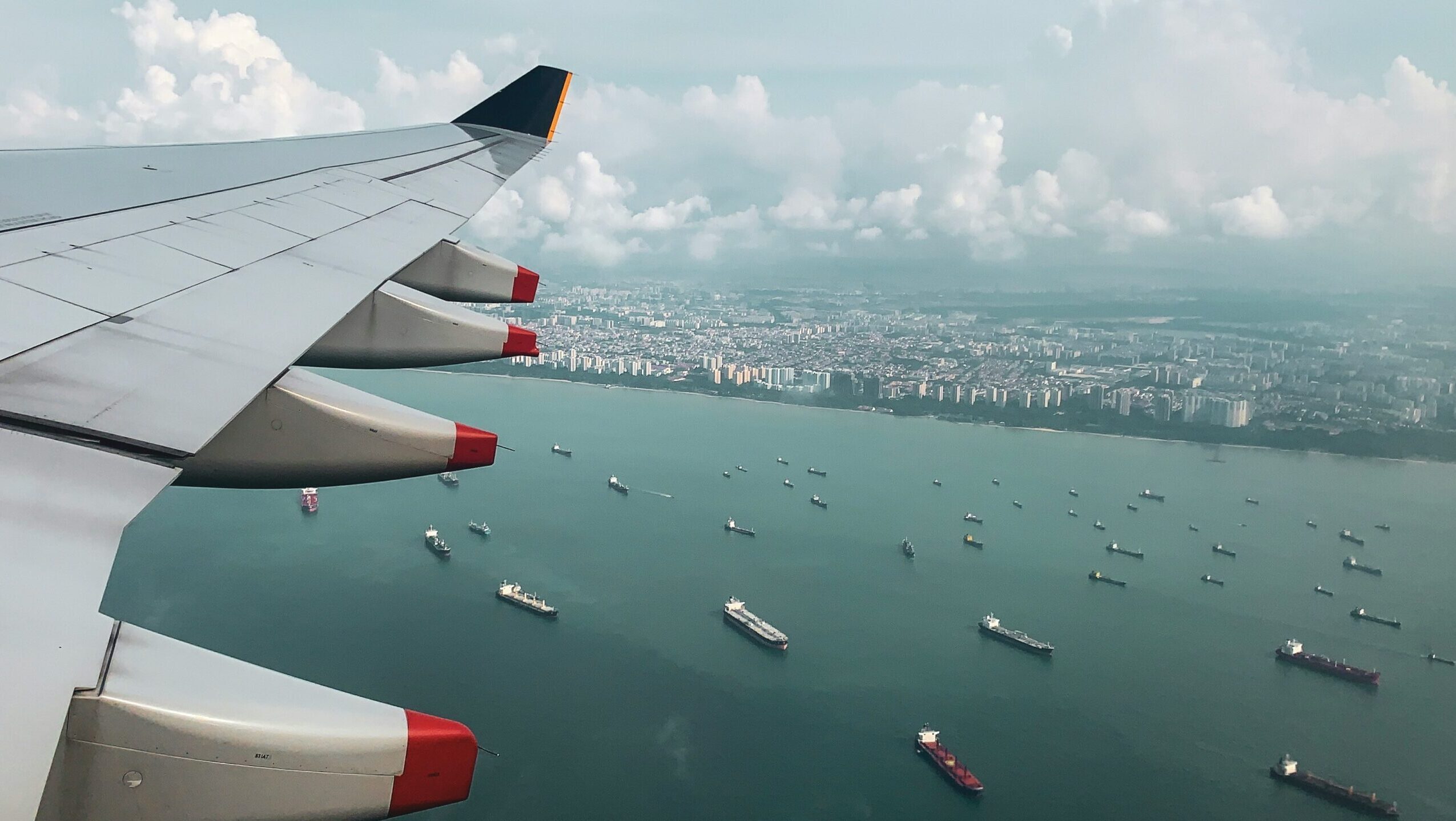
Shipping and aviation are major and growing contributors to climate change, yet continue to benefit from structural tax advantages and weak global regulation. This creates both a gap in accountability and a significant opportunity to mobilise human rights-aligned climate finance.
This submission to the UN Office of the High Commissioner for Human Rights identifies the legal, financial and governance barriers preventing effective climate finance mobilisation in the shipping and aviation sectors, and outlines practical pathways for States to unlock climate finance that is consistent with their human rights obligations.
The scale of the problem
By 2035, developing countries will require an estimated $3.3tn in adaptation finance, yet current flows are projected to deliver less than one quarter of what is needed. At the same time, mechanisms such as shipping levies could generate tens of billions of dollars annually to support climate action and vulnerable communities.
What’s covered in the submission?
- Why shipping and aviation represent major untapped sources of predictable, equitable climate finance aligned with the polluter pays principle.
- How favourable tax treatment and weak regulation allow these highly profitable, high-emitting industries to avoid contributing their fair share.
- The legal and governance barriers, particularly at the level of international institutions, that continue to delay meaningful climate finance action.
- The human rights implications of poorly designed climate finance in the shipping and aviation sectors.
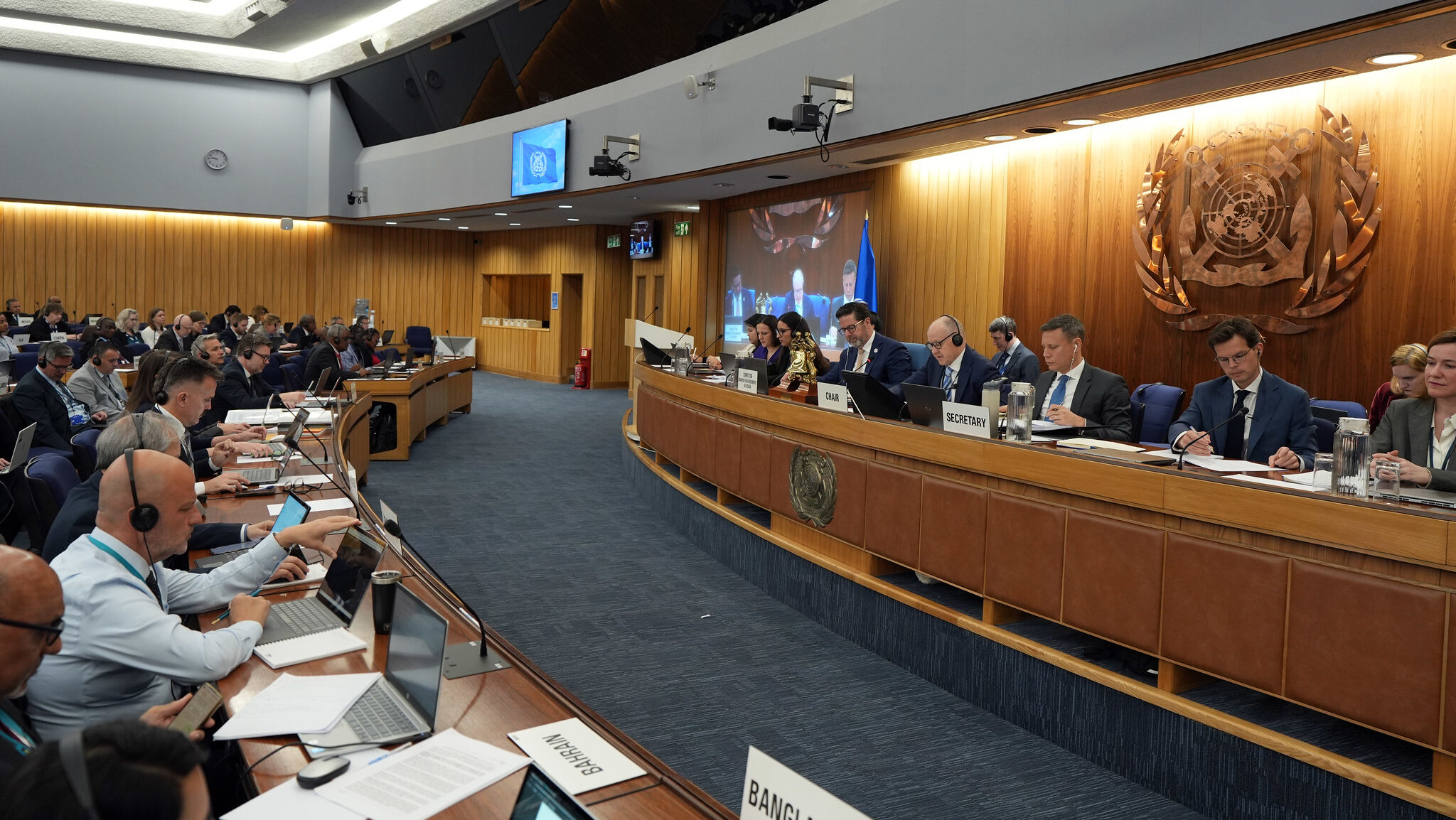
- How emerging mechanisms such as the IMO Net-Zero Framework could generate significant revenue, but must be strengthened to ensure fairness and equity.
- Why clear legal definitions and robust standards are needed to prevent greenwashing and ensure finance flows to genuinely effective and sustainable solutions.
- Practical opportunities for governments to act now, including implementing levies and ensuring climate finance supports vulnerable countries and communities.
Authors
- Lead author: Dominika Leitane
- Co-author: Sapphire Ross