
Background
For over a decade, European airlines have received billions of euros in free carbon allowances under the EU’s ETS – a scheme designed to make polluters pay for their carbon emissions. This report investigates what happened to that money.
New analysis from Opportunity Green and CE Delft examines whether these free allowances achieved their intended purpose: protecting airlines’ competitiveness while encouraging a shift towards greener operations. The findings raise serious questions about this approach.
As the EU Commission consults on reforming the ETS for aviation, this report offers timely evidence on whether free allowances work as a policy tool – and what should replace them if the EU is serious about aligning aviation with its climate goals.
The scale of the problem
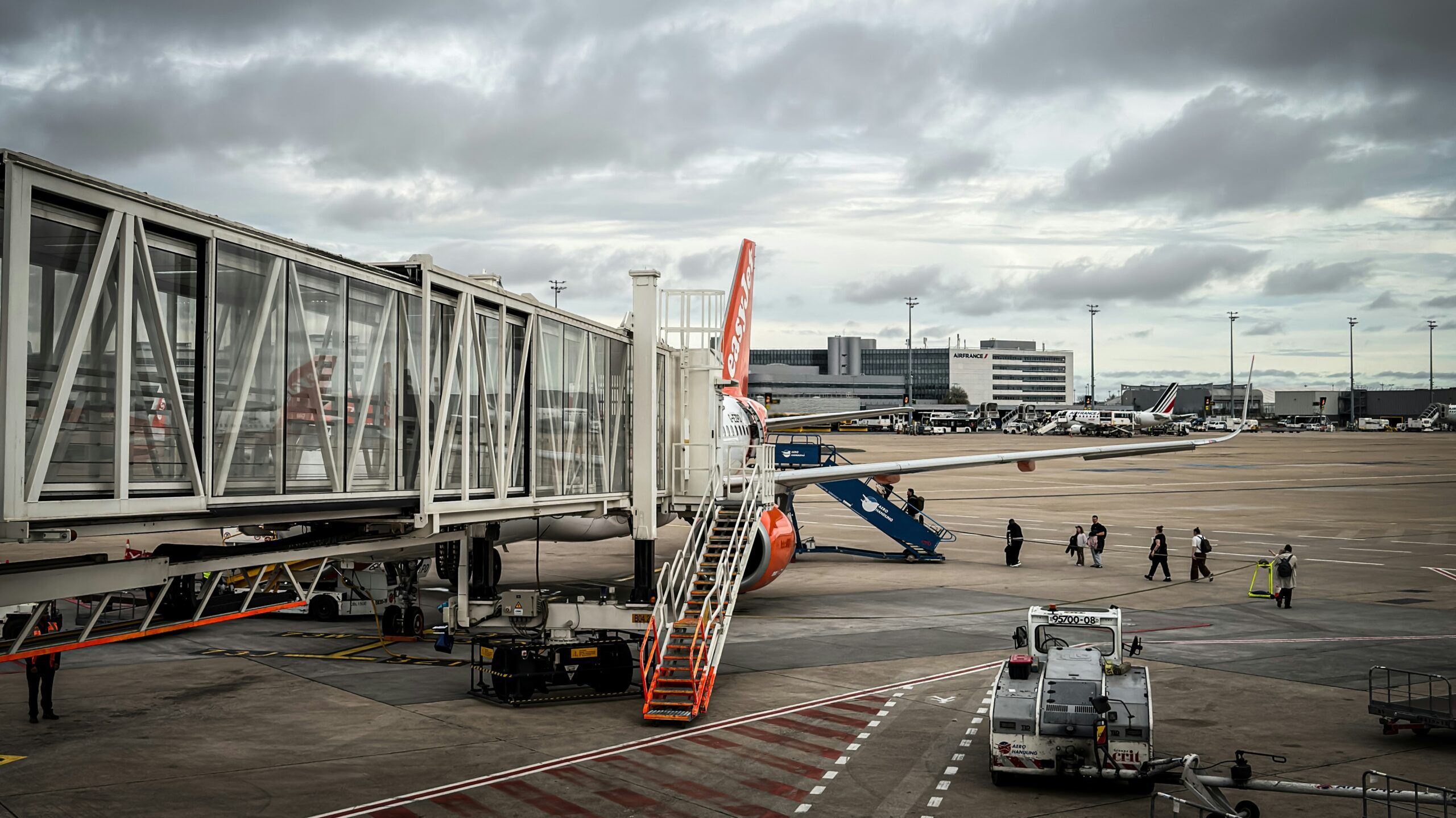
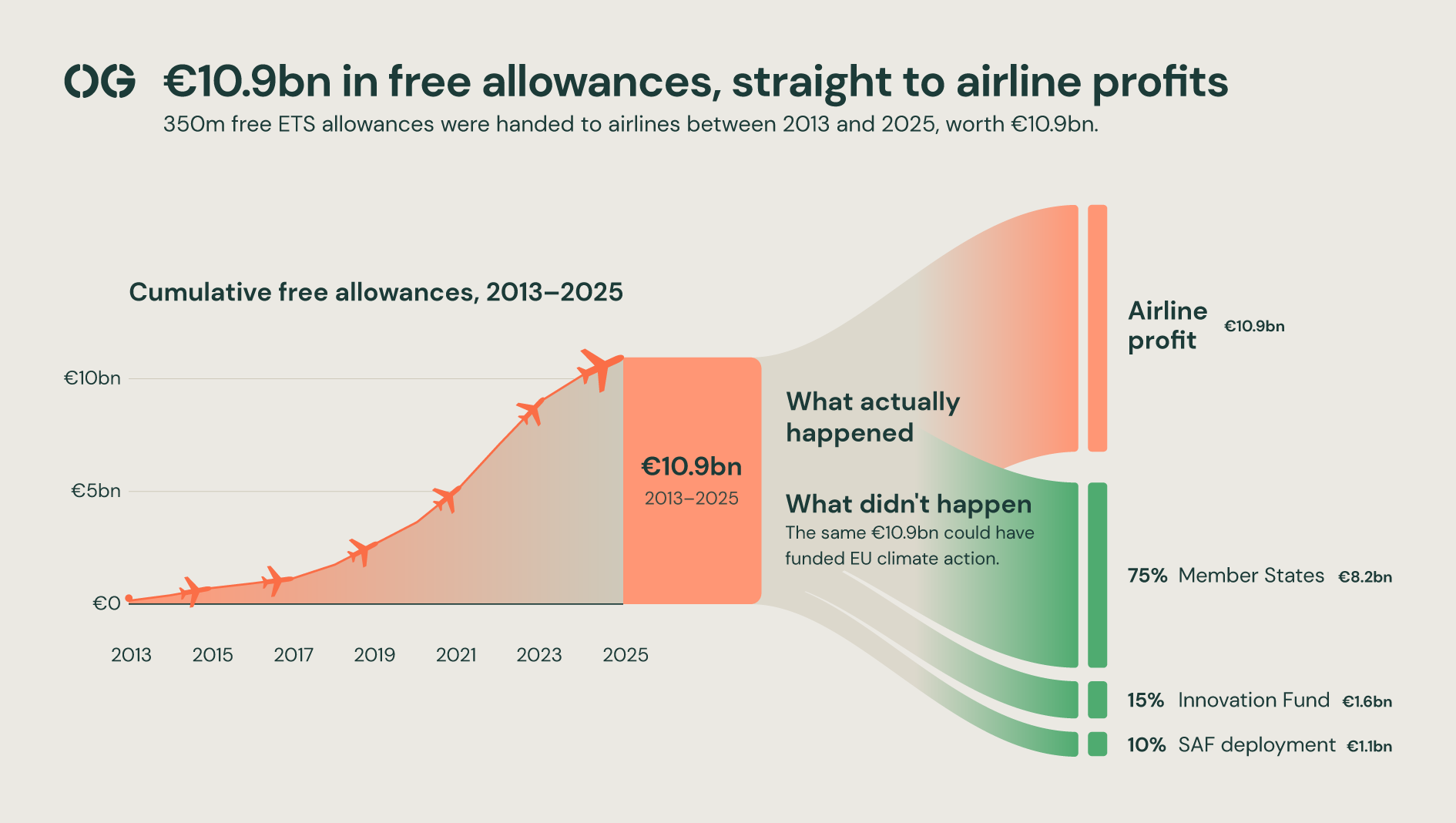
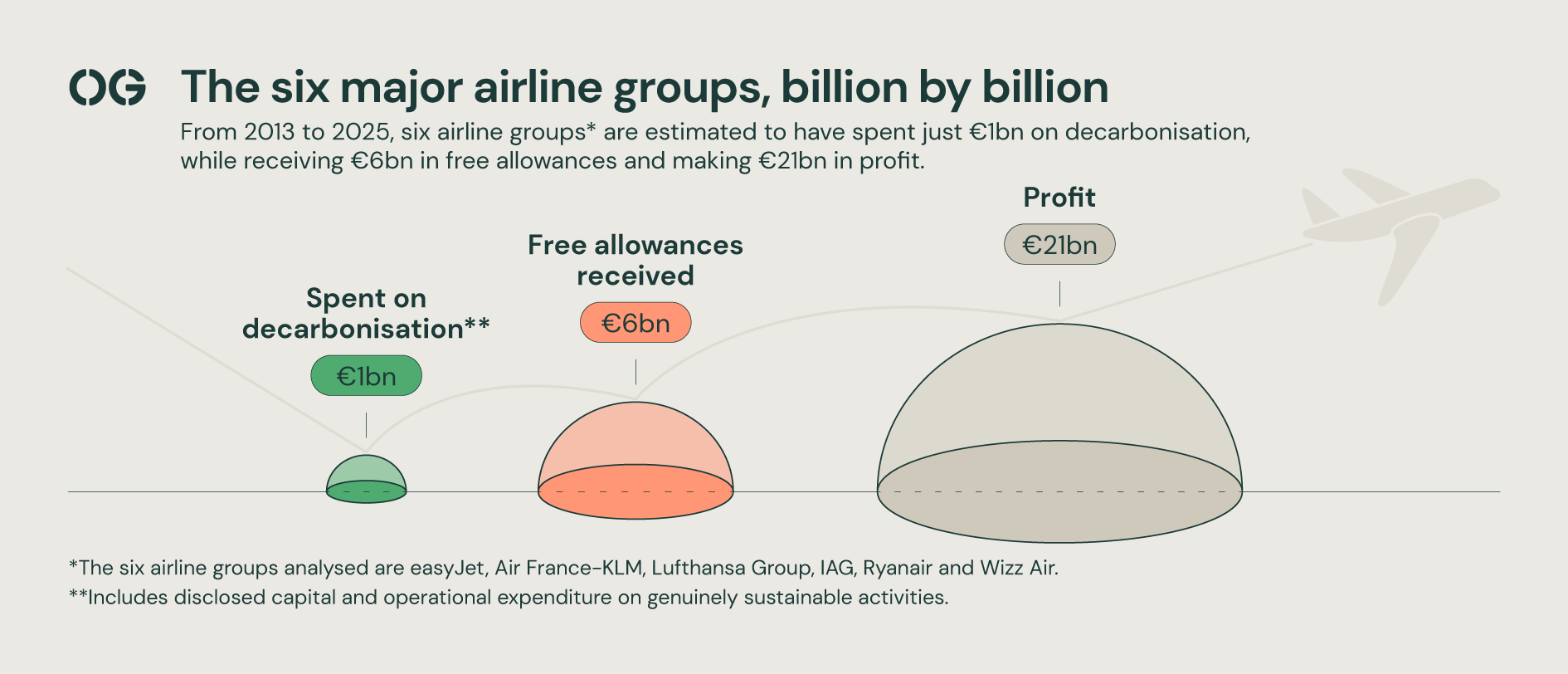
Between 2013 and 2025, European airlines received €10.9bn in free carbon allowances. Six of the continent’s largest carriers – Lufthansa Group, Ryanair, easyJet, IAG, Air France-KLM and Wizz Air – accounted for €6bn of this total. The analysis shows that these free allowances very likely contributed directly to these airlines’ profits, which collectively generated €21bn in profits over the same period.
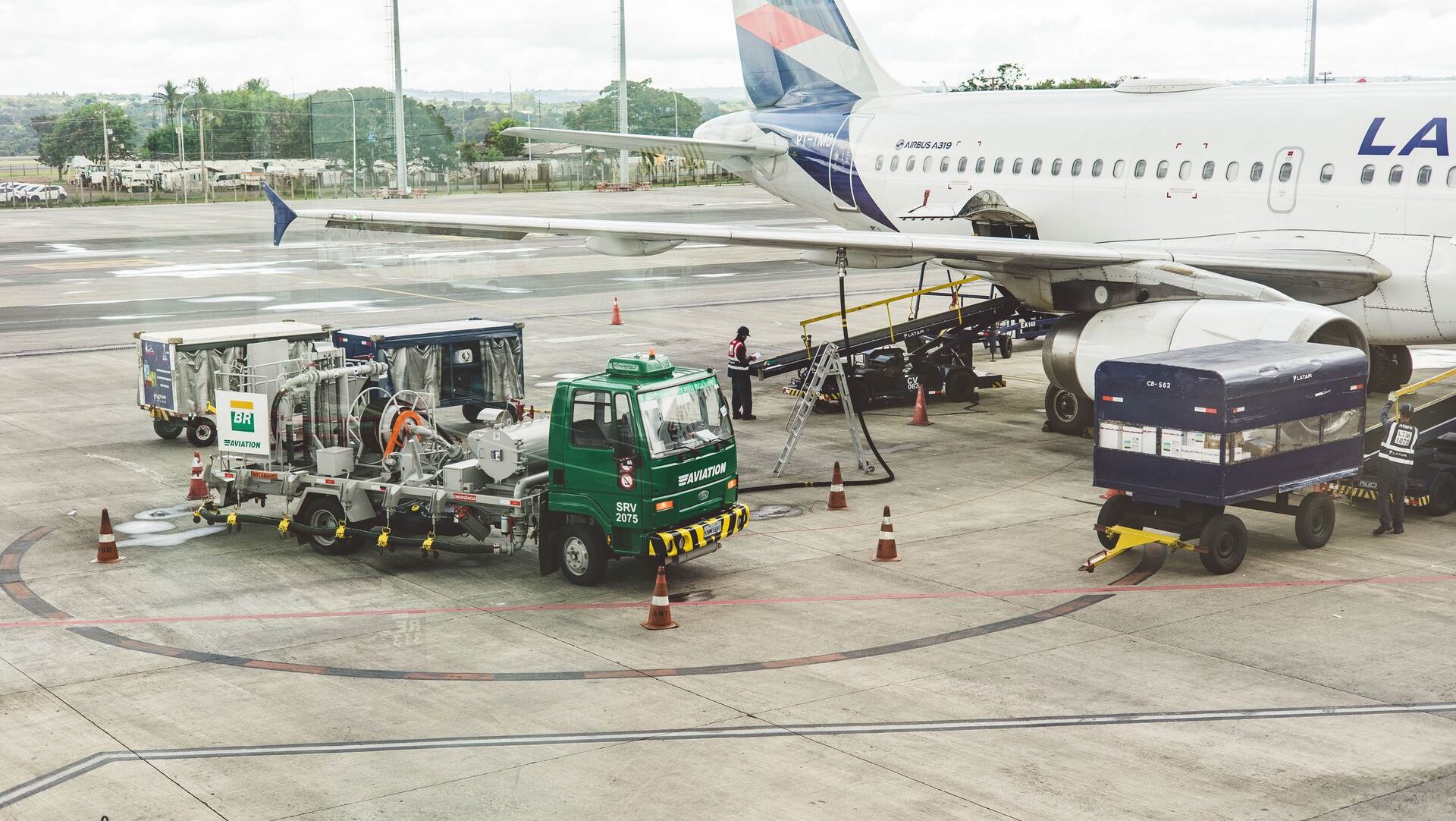
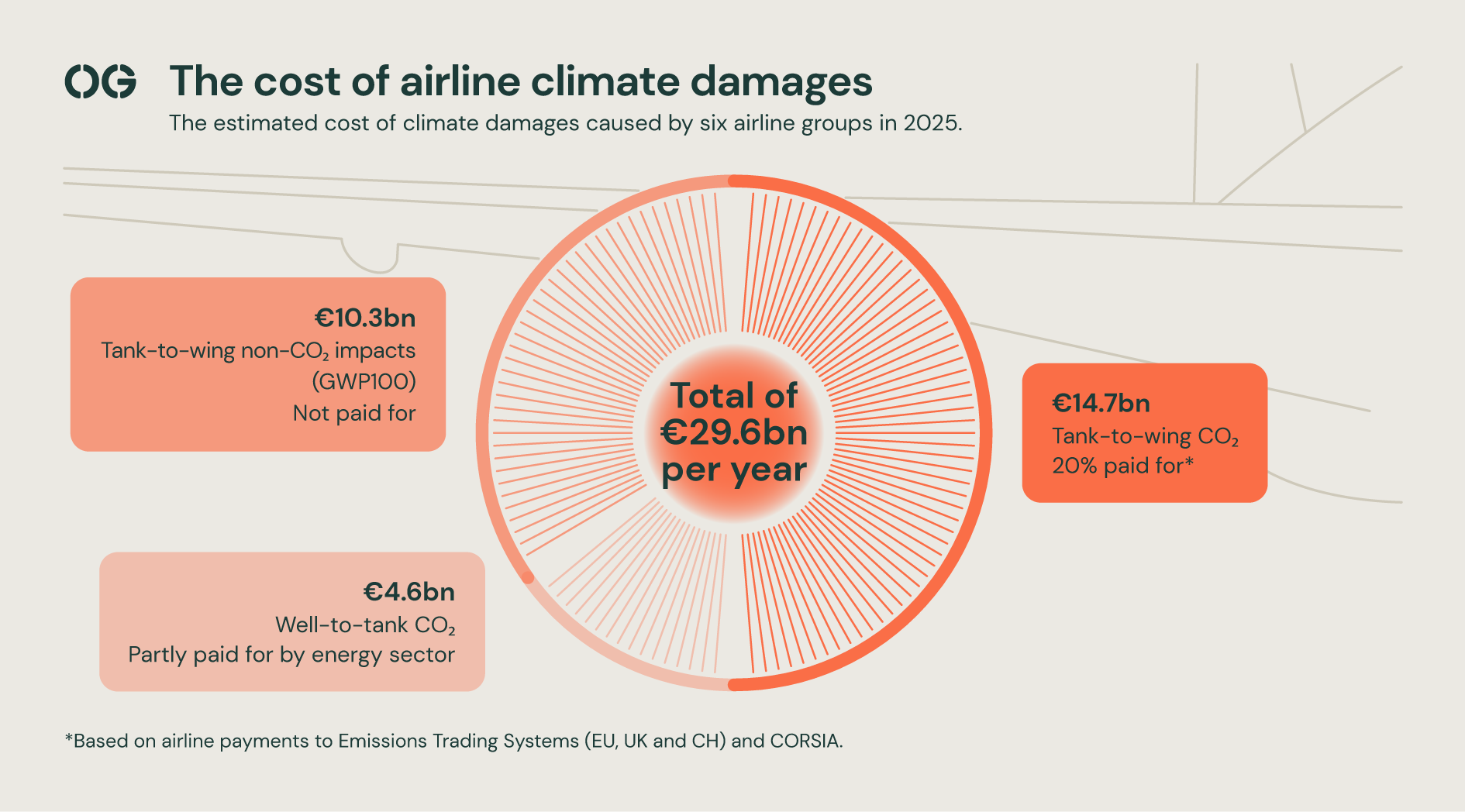
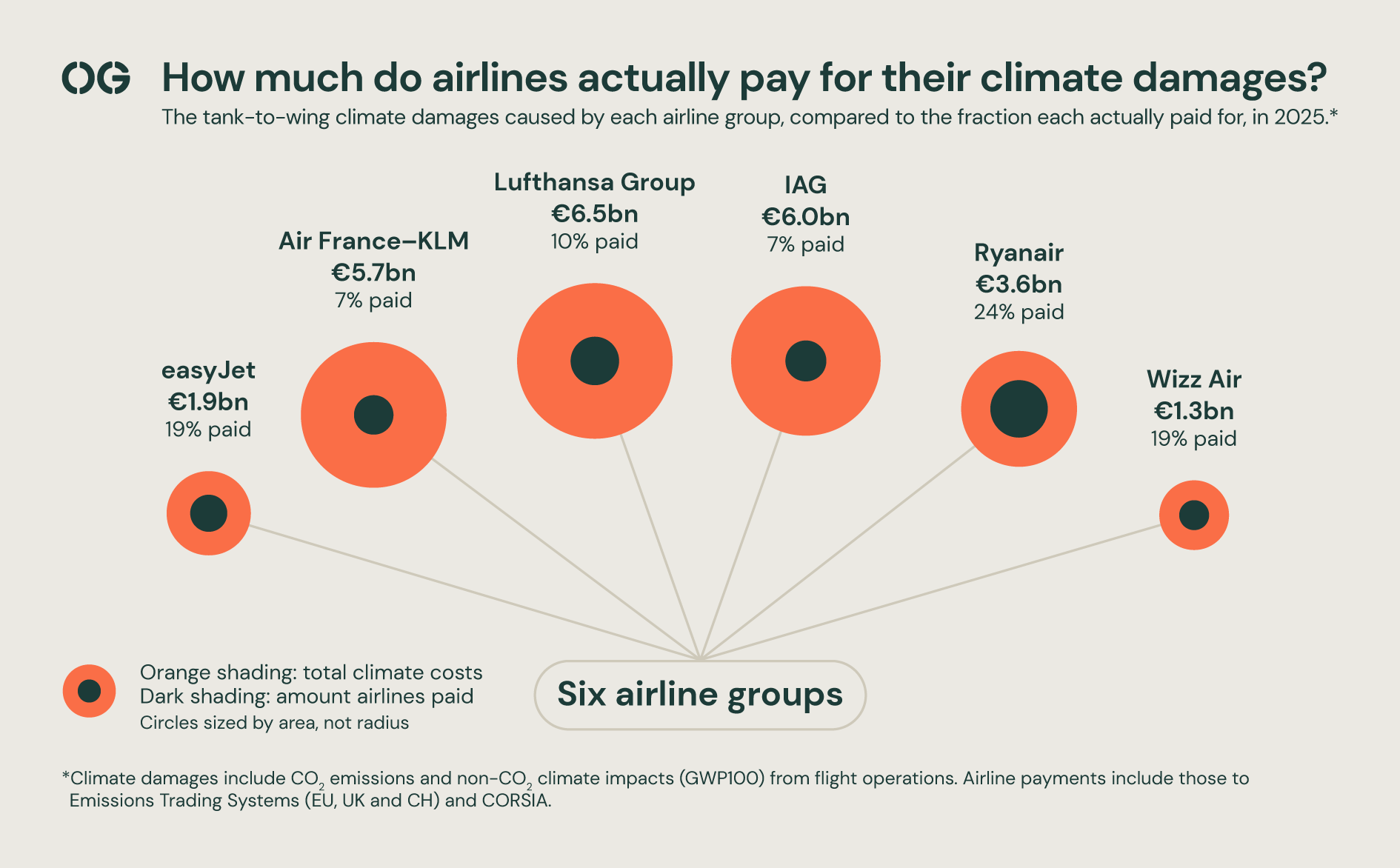
Despite these handouts and profits, genuine climate investment lagged far behind. These six groups spent just €1bn on decarbonisation activities such as sustainable aviation fuel and ground-equipment electrification, while causing €320bn in accumulated climate costs.
Just 0.1% of their total capital investment in 2025 supported genuinely sustainable projects. Separately, the ETS’s exemption of international flights is estimated to have cost around €26bn in lost revenue between 2012 and 2023.
What’s covered in the report?
- Free allowances haven’t delivered on their promise: The report challenges the industry narrative that airlines need free allowances to remain competitive, showing that they have contributed to profits and payouts to shareholders rather than lowering ticket prices and increasing sustainable investment.
- A green finance label that doesn’t require green investment: Despite minimal real decarbonisation spending, €13.7bn in aviation finance was classified as “sustainable” under the EU Taxonomy between 2013 and 2025. This exposes how weak criteria allow fossil-fuel-powered aircraft to be greenwashed, directing capital toward planes that will pollute for decades.
- A narrowing window to fix the ETS: The EU’s current reform proposal would only bring flights within 5,000km of Frankfurt into the scheme from 2029, excluding major long-haul markets like the US and China. This means some of the most polluting flights would continue to face no carbon pricing at all via the ETS.
- Clear policy recommendations for the Commission: The report calls for ending free allowances entirely, expanding the ETS to cover all flights departing Europe, introducing a fee for airlines that don’t address contrail impacts, and reforming or scrapping the Taxonomy’s sustainability criteria for aviation.
Our recommendations
Based on the findings in the report, Opportunity Green is making these recommendations to the EU Commission:
- Free allowances are an ineffective tool to tackle competitiveness and carbon leakage. Future revisions of the EU ETS for aviation must not include free allowance allocations.
- The ETS must be expanded to cover all flights departing from Europe.
- Europe should take action on aviation’s non-CO2 climate impacts, by charging airlines a fee unless they take action to avoid contrails.
- The EU Taxonomy should be abolished completely or reformed to adopt a stronger definition of sustainability, which must exclude investments in fossil-fuelled aircraft.
Tom Grylls, Analytics Director at Opportunity Green, says:
“Airlines are not the victim they like us to think they are when it comes to profits and competition. These figures show that the industry’s narrative about airlines struggling to remain competitive is greatly overblown. In reality, they have enjoyed years of freebies, and instead of funding climate action through new innovations in sustainable technology or SAF deployment, this money simply turned to profit and lined the airlines’ deep pockets.”