

This article was originally published in Forward Law Review. Read the original version here.
David Kay, legal director at Opportunity Green, said the organisation is prioritising a mix of litigation, regulatory complaints and policy support this year as it broadens its work into agriculture and heavy-duty vehicles.
Founded in 2021, Opportunity Green describes its mission as closing the gaps in global climate action through law, economics and policy. Its legal work sits alongside climate diplomacy and policy advocacy teams, supported by in-house analytics, communications and operations functions.
Kay said that a multidisciplinary structure sets the organisation apart and allows it to take a holistic approach to complex issues.
“Law is only one part of our approach,” he said. “We tackle the same climate change problems from multiple angles, aiming to create systemic change in overlooked sectors. We don’t just tackle problems and legal breaches, we work on solutions too, and solutions that focus on equity and justice.”
Within the legal team, that means combining adversarial work – including climate litigation and regulatory complaints – with non-contentious work aimed at removing legal barriers to climate action and supporting better regulation.
“We use the law to drive climate action and hold governments and corporates accountable,” Kay said. “But we also do non-adversarial work, looking at legal issues that others haven’t perhaps looked at, which might be holding back climate action.”
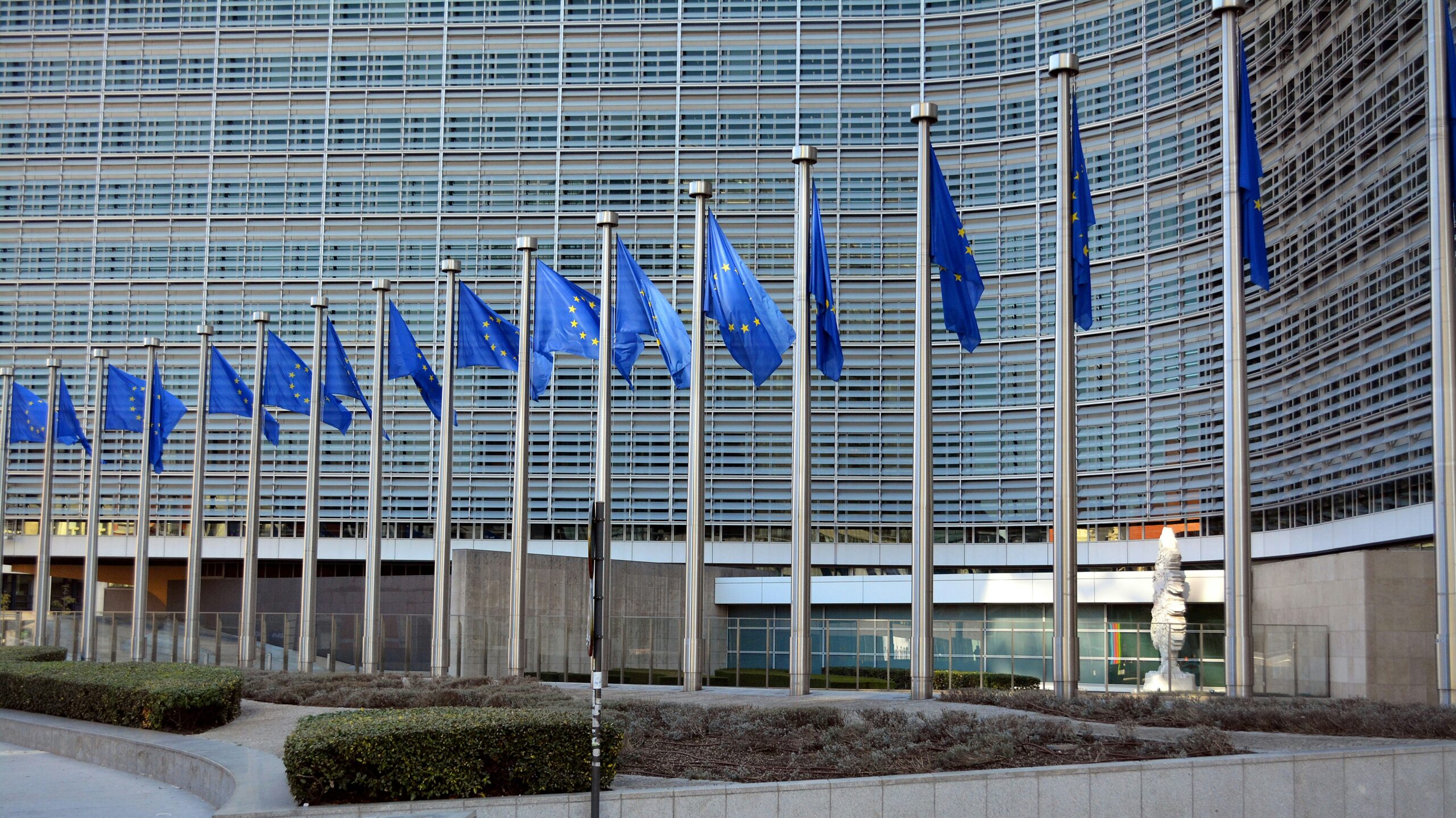
Among Opportunity Green’s main legal priorities this year are ongoing actions in aviation, shipping and steel, including its challenge to the European Commission over the EU taxonomy, an OECD complaint against steelmaker ArcelorMittal, and work challenging the portrayal of liquefied natural gas as a clean transitional fuel.
“In the taxonomy case, we’re hoping for a judgment at some stage this year,” Kay said. “The OECD complaint is going through its initial assessment, and then separately we’ve got ongoing work around the greenwashing of LNG.”
Alongside those actions, Kay said Opportunity Green is heavily focused on climate policy, particularly at the EU level, where it is supporting work around the aviation emissions trading system. The regime is due to be reviewed as policymakers consider whether to extend it to international flights.
“That decision is crucial to climate action in the aviation sector. Our analysis shows that the delay in including international flights in the EU ETS has cost approximately €26 billion in revenue since 2012 and left 1.1 billion tonnes of CO2 unregulated. The European Court of Justice has confirmed the EU’s legal powers to regulate emissions from those flights, so we need to ensure that policymakers clearly understand that legal position,” he said.
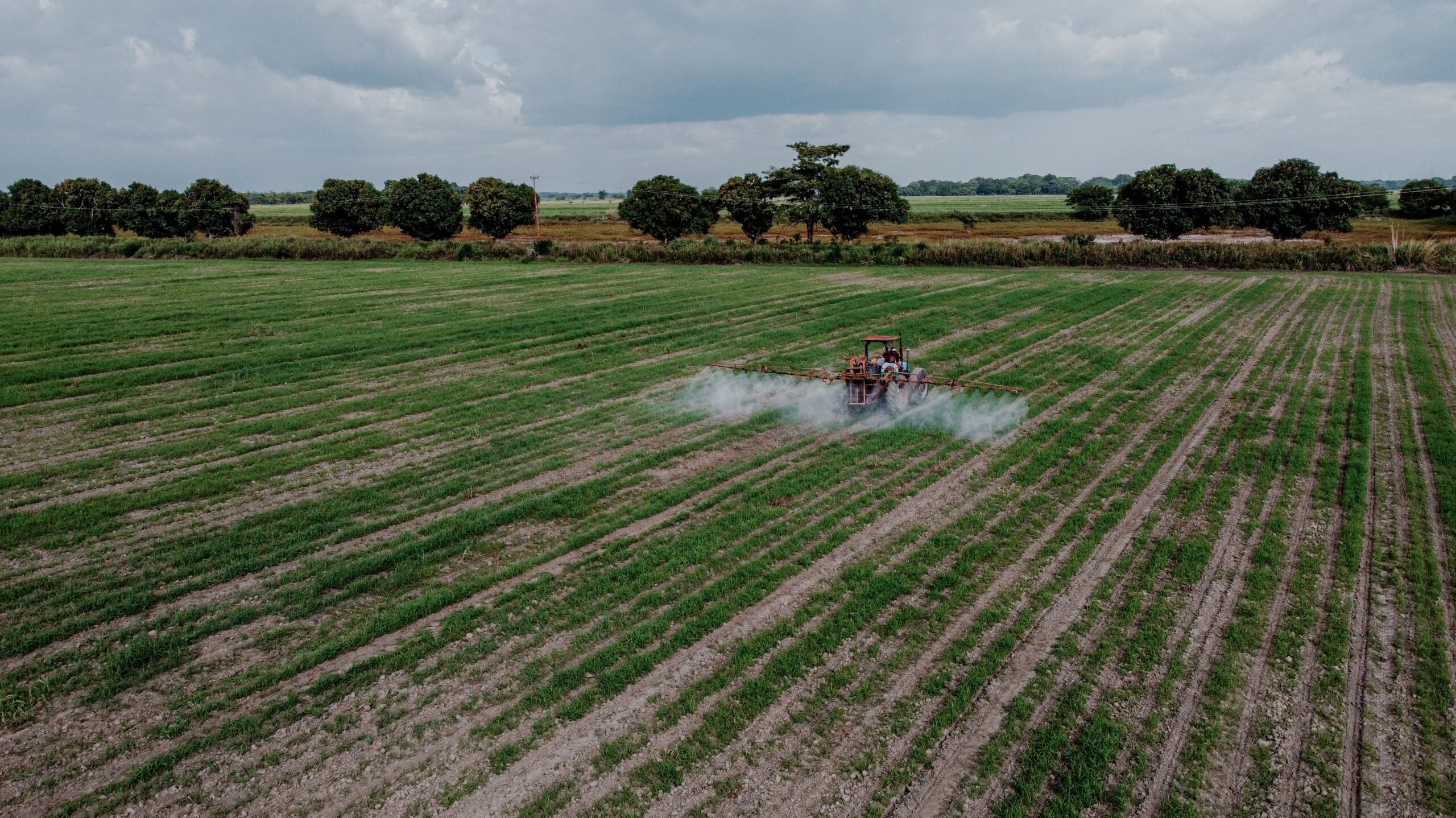
A third priority is expansion into newer sectors, particularly agriculture and heavy-duty vehicles. In agriculture, Kay said Opportunity Green has been focused on building a strategy that addresses the significant methane emissions in the sector.
“A key focus for us is emissions, and particularly methane emissions in the agricultural sector,” he said. “Methane is a super pollutant – 83 times stronger than carbon dioxide over 20 years – and around 40% of global human-caused methane emissions come from agriculture.”
Kay said Opportunity Green’s method relies on close collaboration with other organisations and external lawyers, as well as a strong scientific evidence base.
“We collaborate with a number of great organisations and brilliant lawyers in our work. Another key aspect of Opportunity Green’s approach is that we’re evidence-based,” Kay said. “We’ve got scientists in our team that help make sure that what we’re saying aligns with the best available science and is directed to the right thing for the planet and for people.”
Although litigation forms a visible part of the organisation’s profile, Kay stressed that Opportunity Green does not default to court action.
“It’s not something we jump into,” he said. “Taking litigation is a big step. It can be slow, it can be costly. We look quite broadly for other strategic routes to try and get the same kind of impact. Litigation can be a really valuable tool in the toolbox, but it is only one tool – there are many other legal approaches that can be impactful.”
On the broader climate disputes landscape, Kay said climate litigation has continued to grow in scale, geography and sector coverage. Where earlier cases focused largely on governments, more recent years have seen more claims against corporates, first in oil and gas and increasingly in other industries.
“One of the trends that really stands out is the emergence of claims in a wider variety of sectors,” he said. “Those initial corporate cases began against the oil and gas majors, and now we’re starting to see that move out into other sectors of the economy and other big polluters.”
He pointed in particular to two developments he believes could shape the next phase of climate law – the importance of the international advisory opinions on states’ climate obligations, and compensation claims that successfully attribute climate harms to major corporate emitters. He emphasised that we have already seen the beginning of this with the recent Luciano Lliuya v RWE decision, which held that major emitters can in principle be held liable for the consequences of climate change under German law.
“I think we’re still in the early stages of seeing how those advisory opinions will change state action,” Kay said. “And the other exciting development is the rise of ‘polluter pays’ cases, and the possibility that courts begin to award damages against companies for the harm they cause to the climate.”
Such a development, he argued, would have effects far beyond the courtroom.
“That would change everything,” Kay said. “It would change the risk profile for companies, it would change their behaviour, it would change the way they externalise environmental costs and the way taxpayers have to pick up that bill. And most importantly it would provide compensation to climate vulnerable communities that bear the brunt of the impacts of climate change and have done the least to contribute to it.”
At company level, Kay said lawyers should not assume that a softer political or regulatory environment reduces climate-related risk. Even where disclosure and due diligence rules are diluted, he said, the underlying physical, transition and legal risks remain.
“The science is clear, climate change impacts and risks are growing. And even if the regulatory environment has changed, it will likely swing back leaving some companies exposed,” he said. “The key question for companies is one of risk.”
That includes the risk of litigation, but Kay said company directors should also be paying closer attention to their directors’ duties and the exposure created by climate impacts on supply chains and business models.
“I think what they should be paying closer attention to is their directors’ duties, and the need to properly assess and account for the risks and impacts of climate change in their business models,” he said.
He also argued that some sectors have enjoyed a degree of exceptionalism because they have not yet attracted the same scrutiny as fossil fuel producers or other heavily exposed industries.
“There is increased scrutiny in high-emitting sectors that have traditionally flown under the radar,” Kay said. “Aviation, shipping, agriculture – actors in those sectors have enjoyed a degree of exceptionalism so far.”
More broadly, Kay said legal NGOs have an important role in environmental law because the natural world does not have the same access to representation as commercial interests.
“Lawyers in private practice tend to work for paying clients,” he said. “The environment doesn’t have lawyers acting for it. NGOs and climate lawyers help to fill that gap and rebalance the scales.”
He said NGOs also help surface legal questions that may otherwise go unexplored because no commercial client has asked for that work to be done.
“We’ve encountered some issues that no one’s really actually looked at,” Kay said. “That’s because no one has had cause to, or has had client instructions to do it. There’s a really valuable role that we can play in exploring these questions and trying to enforce accountability where political or voluntary action is waning.”
Looking ahead, Kay said the current political environment has pushed many environmental lawyers into a defensive posture, focused on preserving existing standards rather than driving stronger ones. But he expects growing physical impacts from climate change to sharpen both political and legal pressure.
“We were in a position where we were working to strengthen environmental law, and increasingly maybe environmental lawyers are feeling like they’ve been pushed into a defensive position to try and maintain the integrity of what we’ve got,” he said.
“What I would really like to see is that we turn that corner and go back into a more progressive push for better environmental standards that support a livable planet for us all.”
He added that, as climate harms become more immediate and visible, the politics may begin to shift.
“For small island states and other climate vulnerable countries, the climate crisis is an existential threat. In Europe, the risks are different and have often felt more distant to many people. But in recent years those impacts have begun hitting closer to home, with extreme heat and widespread flooding,” Kay said. “Now the majority of people want more climate action, and coupled with the growing realisation that our continued reliance on fossil fuels increases the cost of living and threatens our energy security, we could see much greater public pressure come to bear on this in the coming years.”
Opportunity Green appeared with a coalition of NGOs before the EU General Court in Luxembourg on 24 February in a case challenging the European Commission’s decision to allow certain fossil fuel-powered aircraft and ships to be labelled as “sustainable investments” under the EU Taxonomy. The decision will be announced towards the end of 2026.