

1. Story of the month: UN Secretary-General calls for methane action, by Suki Rees, Legal Manager
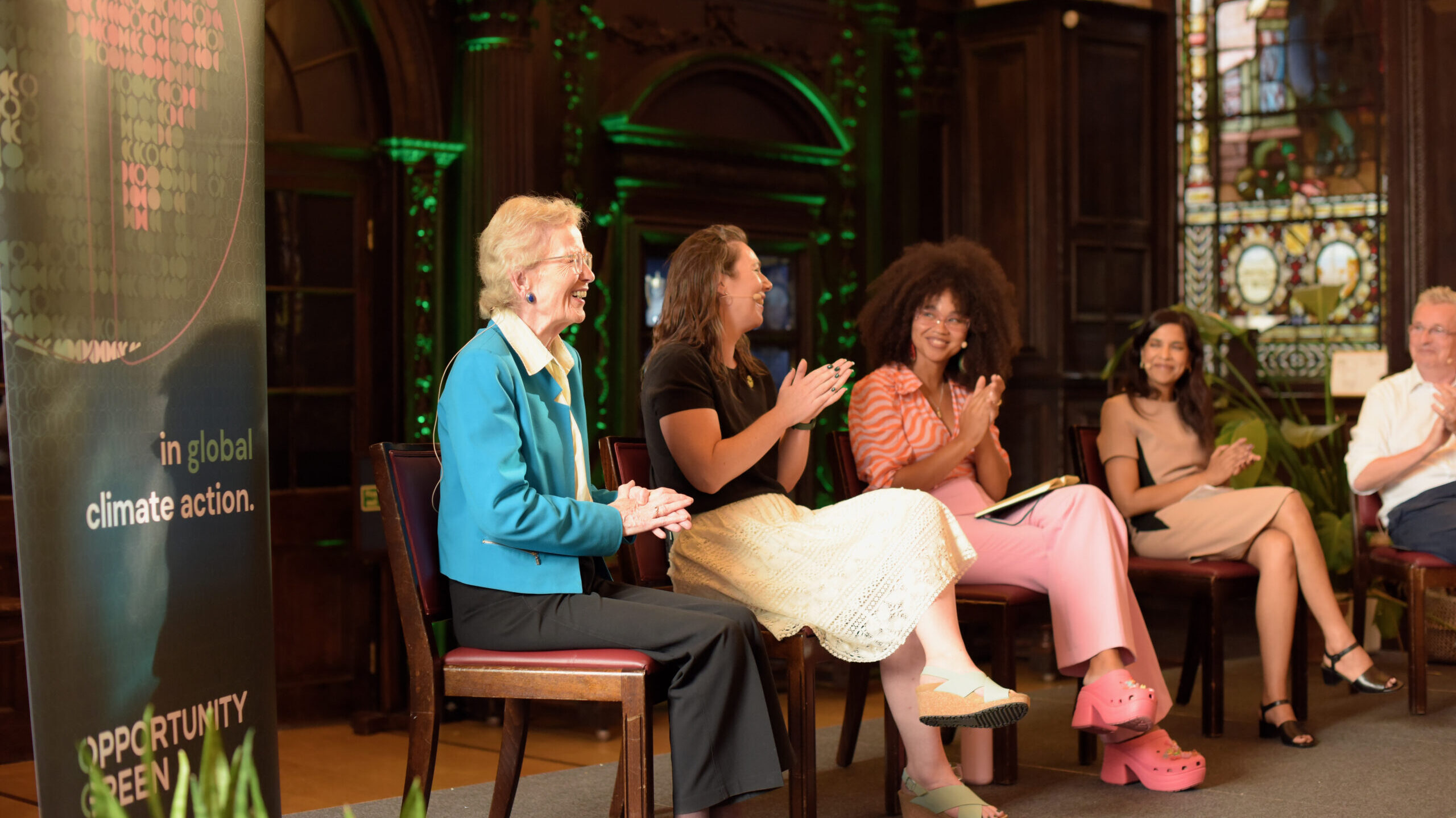
At London Climate Action Week’s ‘Super Pollutants Reception’, UN Secretary-General António Guterres launched a global call to action on methane, targeting agriculture, waste and fossil fuels. As a potent greenhouse gas with a short but intense warming effect, reducing methane can act as a ‘climate emergency break’. The Secretary-General stated that ‘the age of voluntary action is over’.
This is a welcome boost to the growing momentum behind agricultural methane reduction, helping to keep the issue high on the international agenda. It also comes at a critical time, as the regulatory and legislative landscape for agricultural methane remains characterised by a lack of mandatory measures. The Secretary-General’s call should also serve as a warning against efforts to treat methane from livestock differently from fossil methane for emission accounting purposes, as indicated by the leaked draft of the EU Livestock Strategy last week.
This lack of regulation persists despite agriculture being both the largest source of global methane emissions and one of the sectors most vulnerable to the impacts of climate change.
In our recent legal briefing, our Legal Manager, Suki Rees, and Legal Assistant, Sophie Walker, examine the regulatory gap in relation to agricultural methane in the UK and the associated legal risks.
2. Court orders TotalEnergies to account for clients’ emissions
A Paris court has ruled that energy company TotalEnergies can no longer ignore its indirect emissions and environmental risks associated with the use of its products.
The case was brought in 2020 by NGOs, France Nature Environnement, Notre Affaire à Tous, Sherpa and the City of Paris.
The ruling gives TotalEnergies six months to formally assess and report on the environmental risks and emissions generated by consumers’ use of its fuels and natural gas – known as Scope 3 emissions.
Until now, TotalEnergies’ climate assessment focused on emissions linked to its own operations, such as those from production sites, offices or infrastructure (Scope 1 and 2). Yet, for an oil company, Scope 1 and 2 represent only a small fraction of its carbon footprint – 90% of its emissions comes from Scope 3, which until now had not been included in that assessment.
The ruling is the first concrete application of the 2017 French law on the duty of vigilance in the field of climate change, which requires very large companies to take responsibility for the impact of their activities across the entire production chain.
While the court did not go as far as ordering a halt to TotalEnergies’ new oil and gas activities or imposing specific emissions targets, as the claimants had requested, the ruling is a key step towards stronger corporate accountability. TotalEnergies must submit a revised vigilance plan to the court within six months, where its adequacy may be assessed and further measures considered.
By not only strengthening TotalEnergies’ transparency obligations, the ruling could lead to greater scrutiny of its climate strategy and prompt further legal action if its revised vigilance plan is deemed insufficient.
Lucía Saborío Pérez, our Legal Officer, says:
Oil and gas companies’ duty of vigilance plans are not a mere formality. The court has made clear that they must be coherent, accurately reflect climate risks, and set out the measures the company will implement to prevent these risks and harms. This time, TotalEnergies must include the 90% of emissions it previously excluded.
3. Scotland has halved its greenhouse gas emissions since 1990
New official data show Scotland’s emissions are down by 50.5% since 1990.
Much of the reduction came from falling industrial emissions, driven by lower fuel combustion. Power sector emissions also dropped sharply following the closure of the country’s last coal power plants and a surge in renewables.
Agriculture emissions also fell, largely due to reduced livestock numbers.
It is worth noting, however, that while all sectors saw their emissions fall, international aviation and shipping did not, which has now returned to their pre-COVID levels. Domestic transport and building emissions also increased.
Domestic transport is Scotland’s largest source of greenhouse gas emissions, at 28%, with buildings accounting for 19.5% and agriculture 19.3% – highlighting where further progress is needed.
Read some of our work pushing for stronger climate action in aviation, shipping, agriculture and buildings.
4. Offshore wind is set to quadruple by 2035
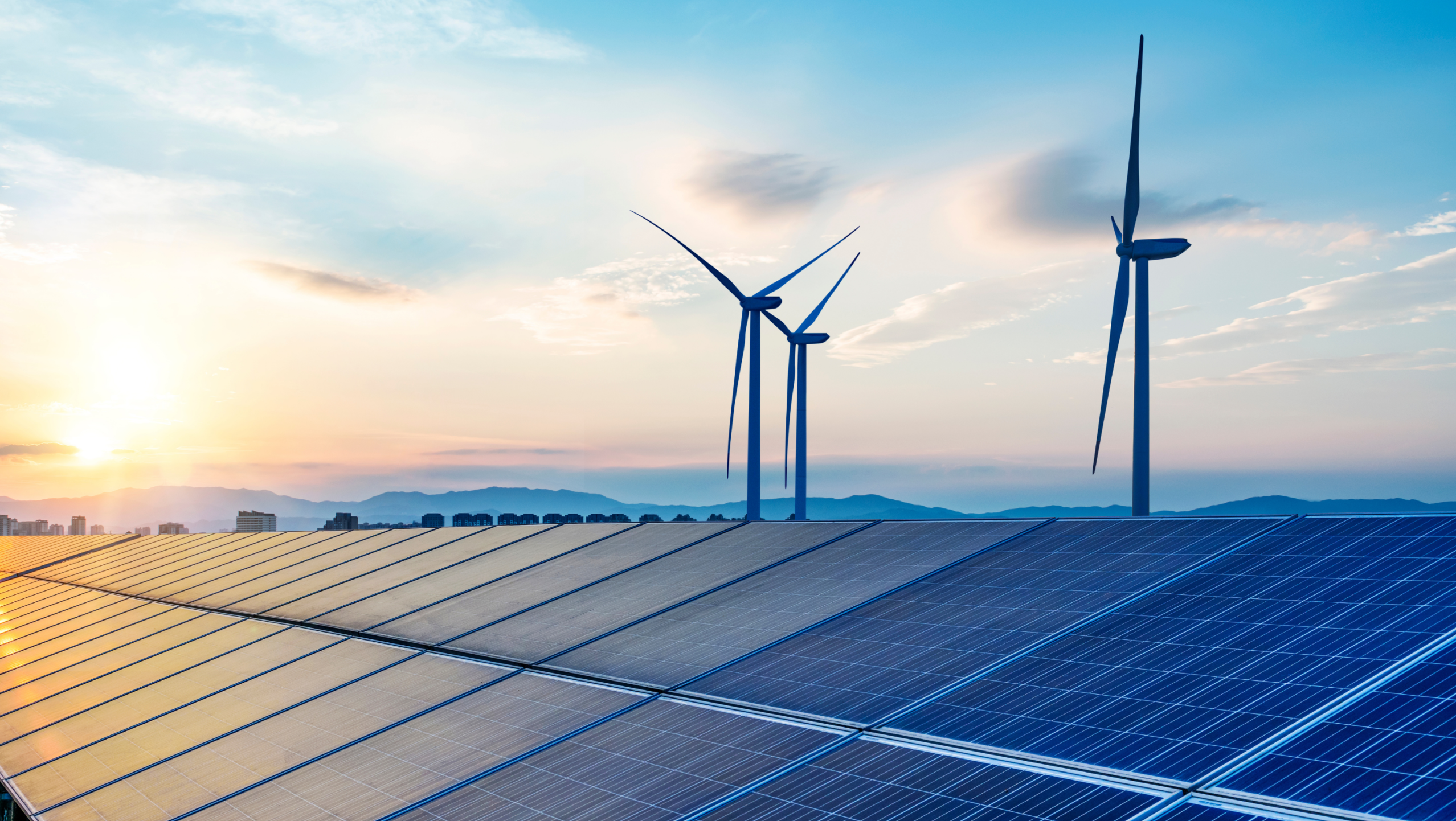
Global offshore wind capacity is set to quadruple over the next decade.
2025 was the third-highest year for new installations, with more than 9GW of new offshore wind capacity – enough to power over 10m homes. This brought the global total offshore wind installations to 92.5GW, equivalent to powering over 100m homes.
Annual installations are expected to double in 2026, triple by 2031, and quadruple by 2035.
China led the way for the eighth consecutive year, commissioning 6.6GW in 2025, while Europe commissioned nearly 2GW. China accounts for 52% of the global offshore wind market.
5. Beavers solve a five-decade-old flooding problem in London
Until recently, walking through flooded streets and across a waterlogged ticket hall to reach Greenford tube was routine for locals – a costly issue the council had been struggling with since the 1970s.
Yet in 2023, environmentalists took an unconventional approach.
Some 400 years after being driven to extinction in the UK, five beavers were introduced to Paradise Fields, a 10-hectare site in Ealing borough. The Ealing Beaver Project was born.
The beavers got to work immediately, building a series of dams, which created a new lake almost overnight. They also destroyed an old dam built by volunteers to replace it with a better one of their own.
“I just can’t believe how much they’ve done in a short period of time, they basically said ‘step aside, humans’,” says Şeniz Mustafa, England’s first Urban Beaver Officer. “We do make things a little bit hard for ourselves. It goes to show that we don’t have to use heavy machinery or build infrastructure, nature can do it.”
Not only has the area stopped flooding – even after the recent storms – but the biodiversity has also flourished, with new species appearing and the beaver family growing to eight.
This project has also inspired another beaver project in Croydon, which the council hopes to establish by 2028. It is a powerful reminder that working with nature – rather than against it – can help us respond to the growing challenges of climate change.
Feeling uplifted? Visit our archive to read more positive climate stories.