
9 September 2026
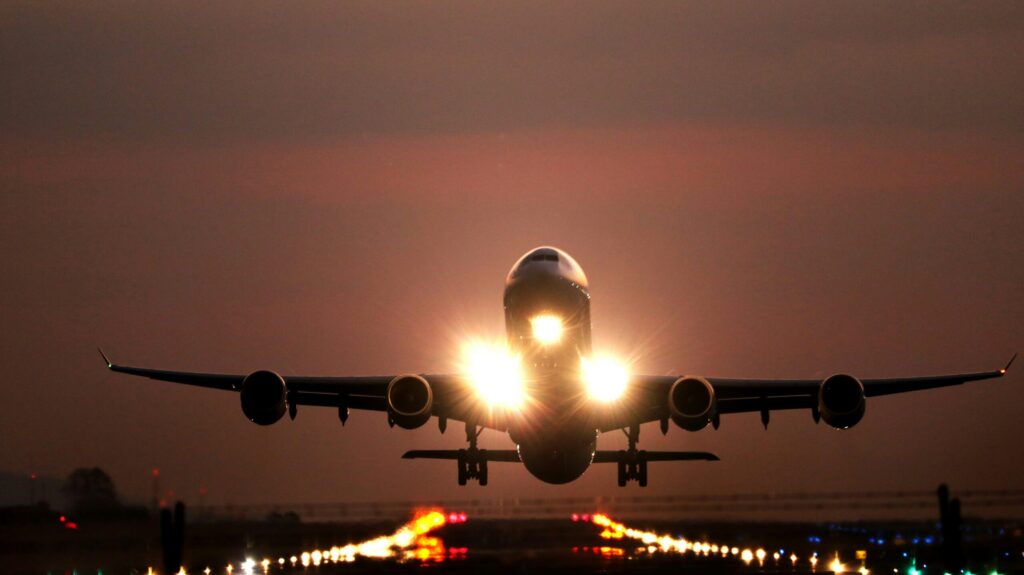
How EU free allowances drove airline profits, not progress
A new report reveals European airlines received €10.9bn in free carbon allowances that boosted profits rather than driving genuine climate investment.
Read moreIts impact, challenges and the transition to sustainable energy solutions
The EU Emissions Trading System (ETS) is the EU’s main tool for reducing greenhouse gas emissions. It covers several sectors, including aviation, shipping, heavy industry and power generation. Since 2005, overall emissions from sectors covered by the system have fallen by around 50%.
However, important gaps remain, particularly in aviation. While some flights are covered by the EU ETS, most international flights remain outside its scope, leaving a significant share of aviation emissions unpriced.
The EU ETS is currently under review, creating an important opportunity to address these gaps, strengthen the system and drive further emissions reductions and the transition to more sustainable aviation.
The EU ETS has driven significant emissions reductions in the sectors it covers since 2005.
International flights fall outside the EU ETS.
The failure to price international aviation emissions between 2012 and 2023 meant lost revenue for climate action.
Find out answers to common questions about the EU ETS.
The EU Emissions Trading System (ETS) is a “cap-and-trade” carbon market. It sets a limit (or “cap”) on the total greenhouse gas emissions that sectors covered by the system can produce. Companies must surrender one emissions allowance for every tonne of CO₂ equivalent they emit. These allowances can be bought and sold between companies. The emissions cap decreases each year, reducing the number of allowances available. This encourages companies to cut their emissions and invest in cleaner technologies, as allowances become scarcer and potentially more expensive.
The EU ETS has raised over €270bn across sectors since 2013. These revenues are used to fund:
Explore how the EU ETS can be strengthened to deliver greater aviation emissions reductions and support climate action.
As the EU is weighing extending its ETS to international flights, this FAQ explains what is at play.
Read more
The EU ETS review is a rare opportunity to strengthen the aviation ETS. Here’s how the EU can use it to deliver its full potential.
Read more
How the upcoming EU ETS revision could unlock billions for vulnerable communities by closing loopholes on international flights.
Read moreExplore more publications on the EU ETS, from the regulation of international aviation and the climate impacts of contrails to the allocation of free allowances and opportunities to strengthen the system.
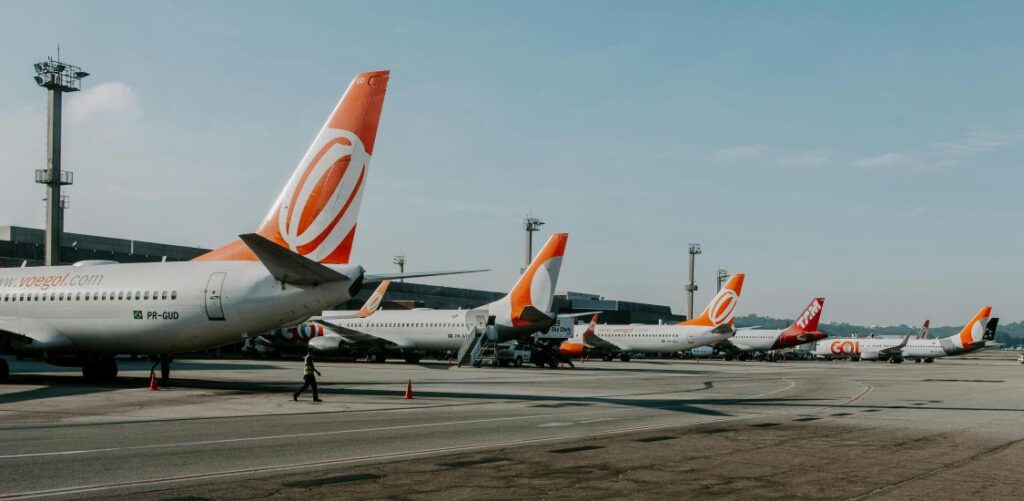
Legal analysis of the EU’s authority to regulate all international aviation emissions under the EU ETS to align the sector with the Paris Agreement.
Read more
The EU’s proposed contrail policy rewards forecasts, not action. Here’s why voluntary handouts fail – how an avoidable fee can deliver real action.
Read more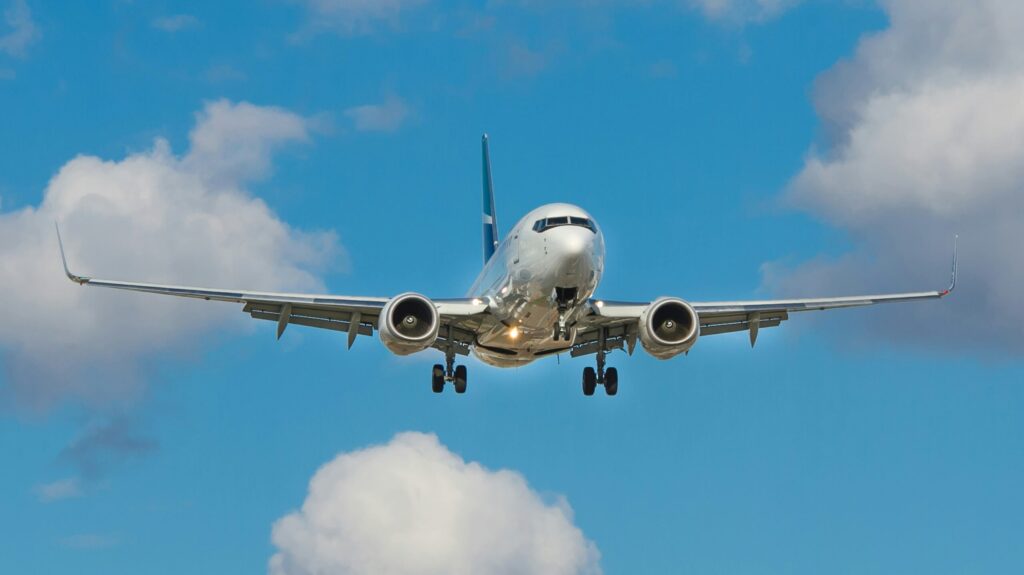
New analysis shows that free carbon allowances padded corporate profits rather than driving genuine climate investment.
Read more
The EU has lost €26bn in revenue by exempting international flights from the ETS. Now is the time to end this "free pass" and make long-haul aviation pay for its climate impact.
Read moreWhy should international aviation be included in the EU Emissions Trading System (ETS)? This video explores how aviation has largely escaped meaningful climate regulation, allowing airlines to emit vast amounts of CO₂ without paying the full cost of their climate impact. Our CEO, Aoife O’Leary and Scientific Manager, James Kershaw, highlight the industry’s powerful lobbying against regulation, the scale of aviation’s unregulated emissions, and the potential of the EU ETS to change that.
9 September 2026
A new report reveals European airlines received €10.9bn in free carbon allowances that boosted profits rather than driving genuine climate investment.
Read more
18 May 2026
Expanding the EU ETS to include international aviation and shipping can support an accelerated, just and equitable decarbonisation.
Read more
21 April 2026
Aviation’s non-CO2 impacts, including contrails, can be twice as damaging as CO2 in the short term, yet remain largely unaddressed in EU policy.
Read more
9 September 2026
New analysis shows that free carbon allowances padded corporate profits rather than driving genuine climate investment.
Read more
15 December 2025
Legal analysis of the EU’s authority to regulate all international aviation emissions under the EU ETS to align the sector with the Paris Agreement.
Read more
9 June 2025
Emissions from international flights to be regulated under the EU ETS.
Read more
8 September 2026
The EU’s proposed contrail policy rewards forecasts, not action. Here’s why voluntary handouts fail – how an avoidable fee can deliver real action.
Read more
6 July 2026
How the upcoming EU ETS revision could unlock billions for vulnerable communities by closing loopholes on international flights.
Read more